Travel stories, city guides, and hidden corners of Türkiye. Field notes from the road, written by the Show Me Türkiye team.
Istanbul and Cappadocia are the two everyone gets to. The other eight are where the country starts explaining itself. Twelve-thousand-year-old temples in Şanlıurfa, monasteries on a Mesopotamian limestone ridge, an entire coast of Lycian ruins where you can swim inside the ancient harbours, and the toppled stone heads of a forgotten king on a mountain summit in Adıyaman.
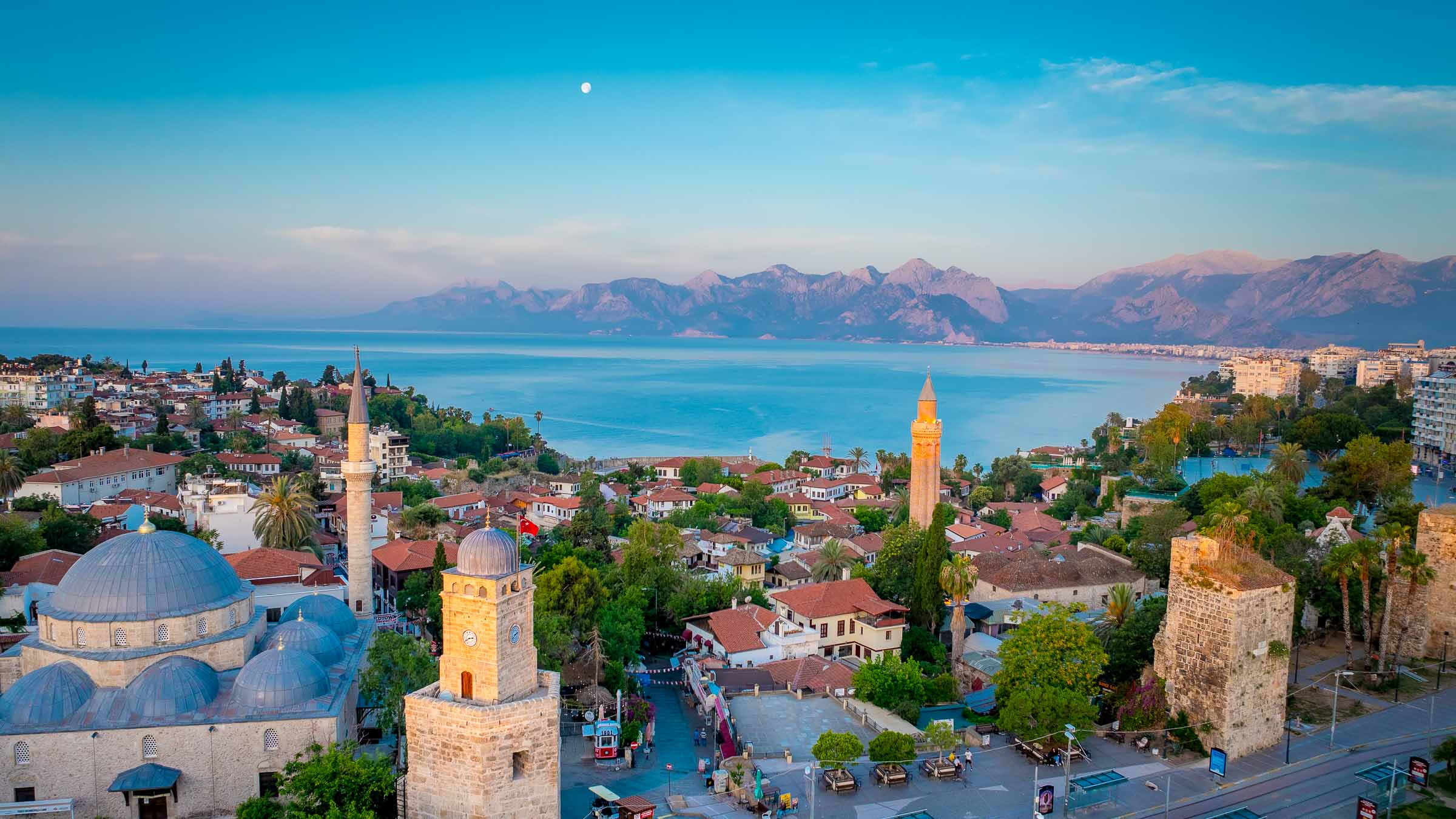
Read the cover story →Roman aqueducts, Greek theatres still in use, a beach city that grew up around an old harbour, and the most ancient-cities-per-coastline ratio in the country. Antalya is not a resort town. It's a province with five thousand years of stone.
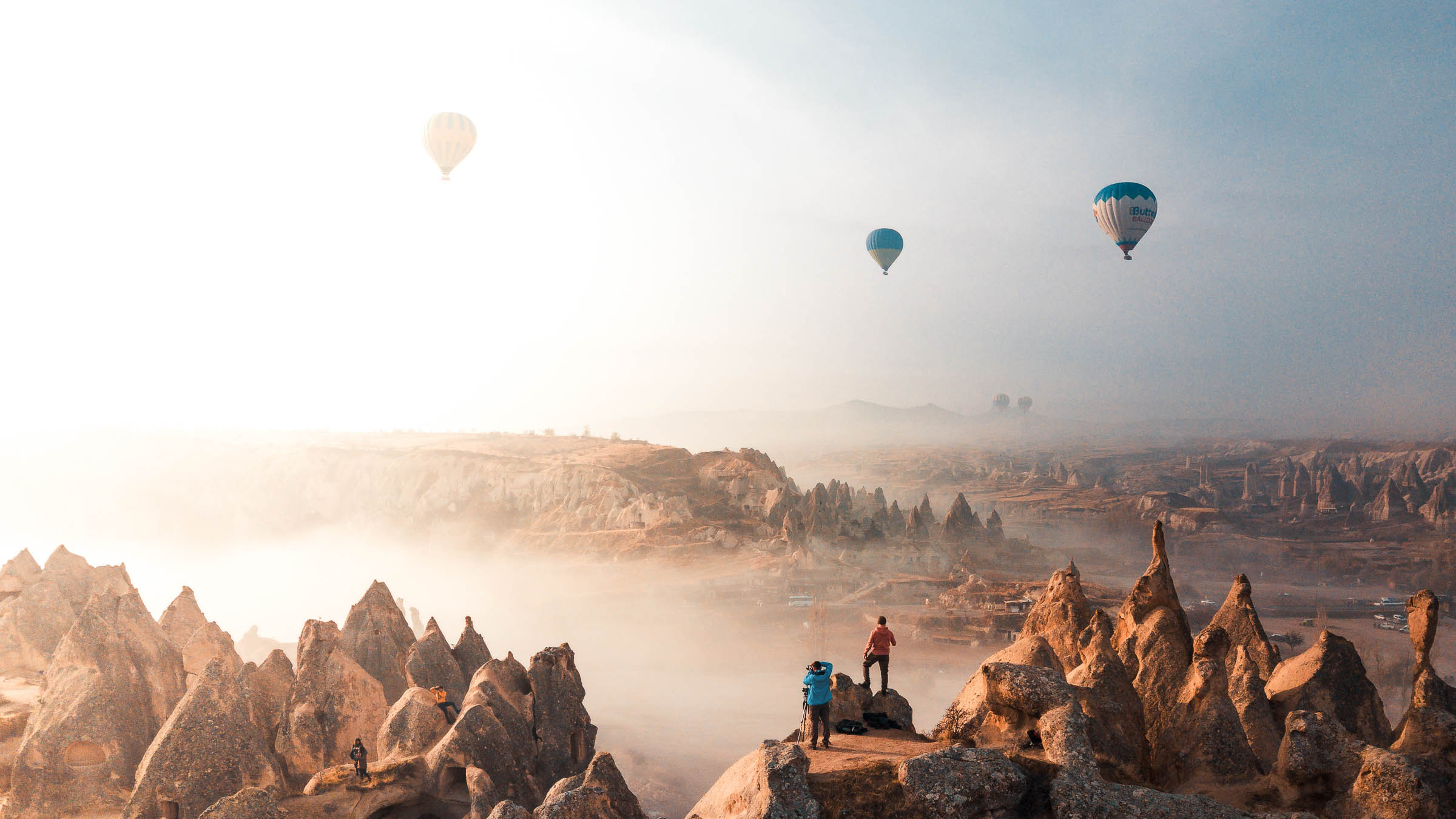
Ten million years of volcanic erosion. Underground cities going down eighteen levels. Byzantine rock-cut churches with frescoes from the tenth century. And the version of the balloon photo that's actually worth taking.
A resort town wrapped around a strategic position, the Beydağları rising behind, the Lycian coast stretching west, and the Chimaera flames within a half-hour drive.
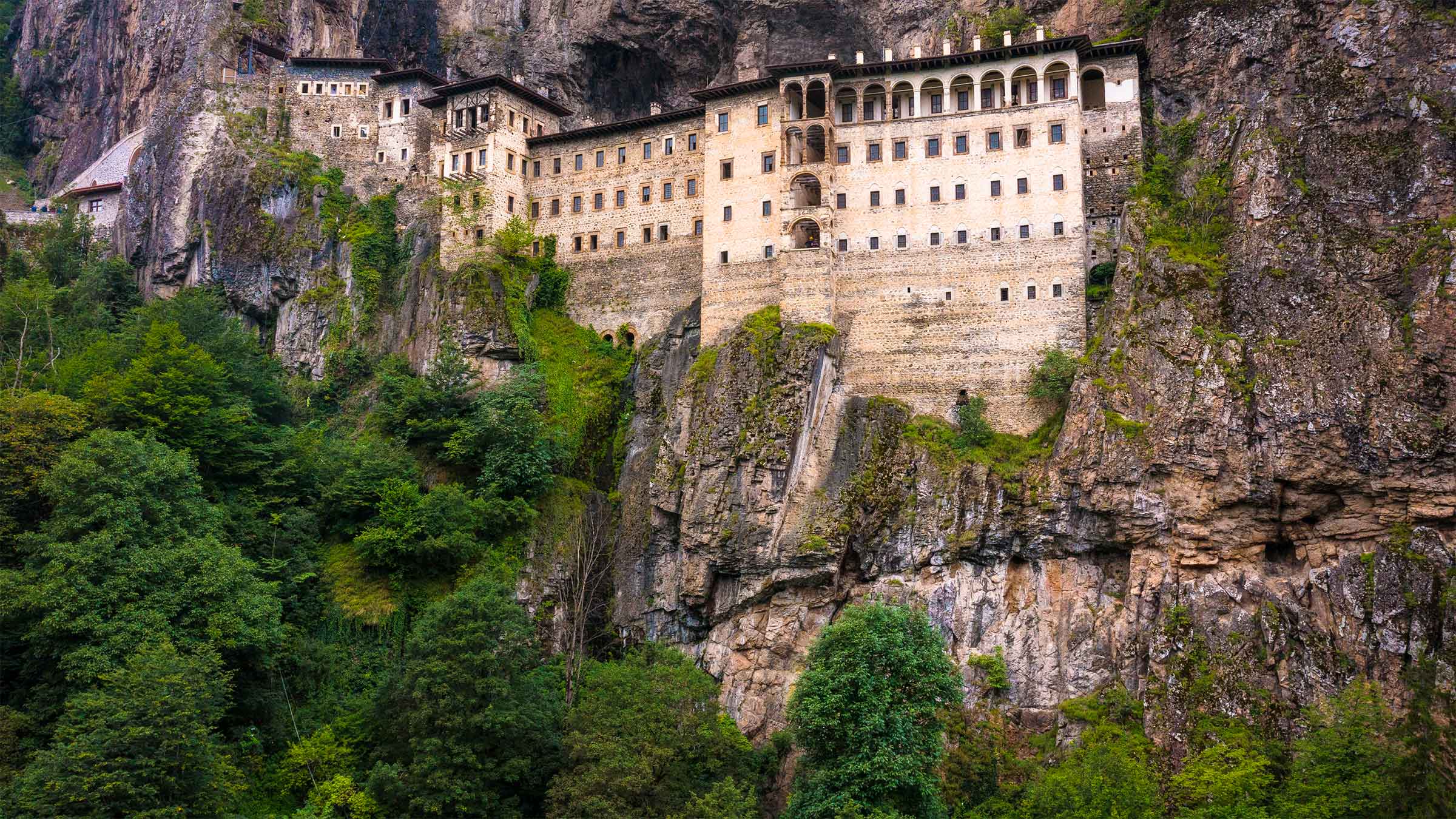
Sümela Monastery, an underground river cave, a lake that fills every poster of the eastern Black Sea, and the most outdoor-active province on this coast.
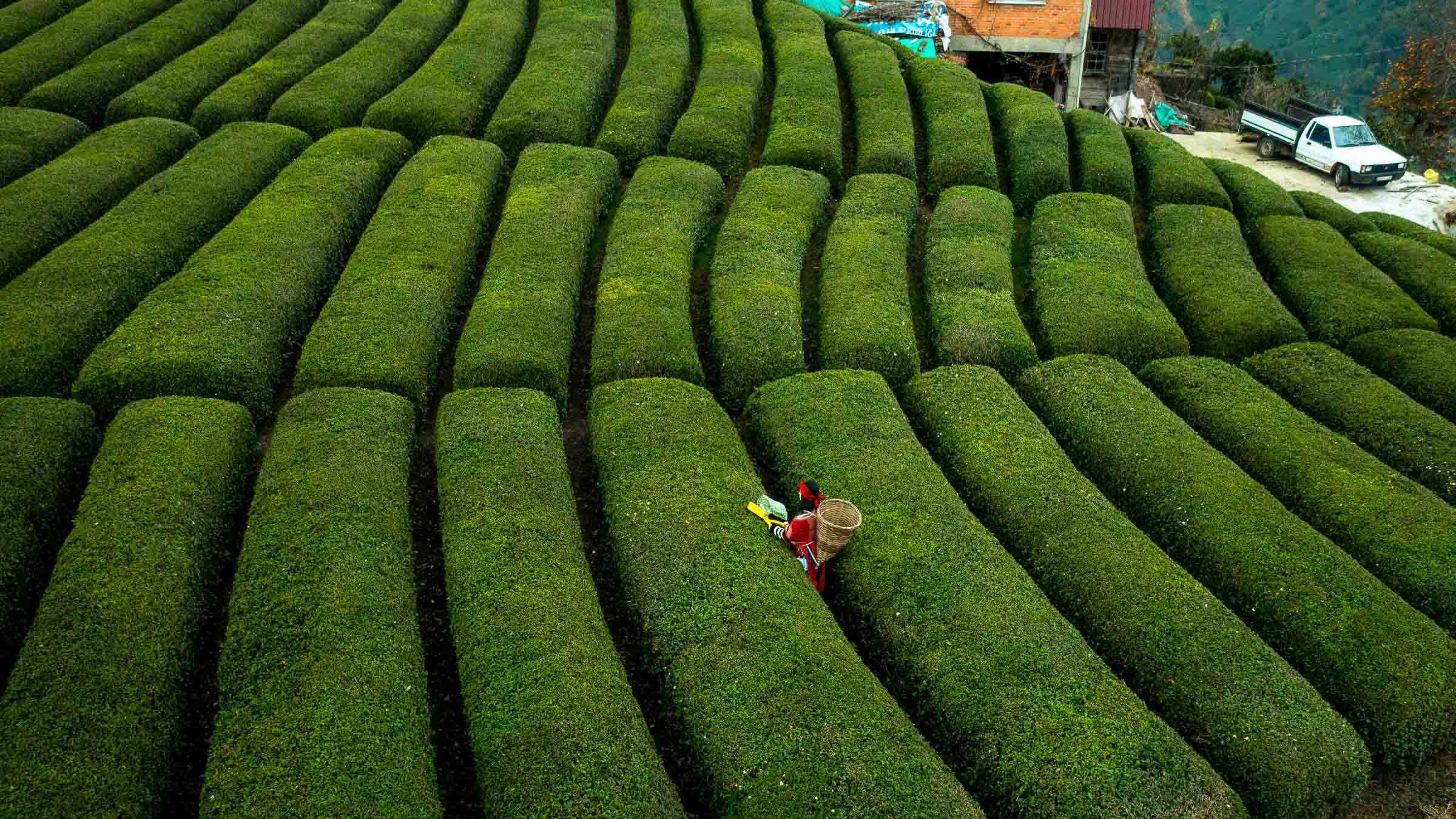
Two thousand millimetres of rain a year, a single defining crop, and a vertical landscape that goes from sea level to four thousand metres in forty kilometres.
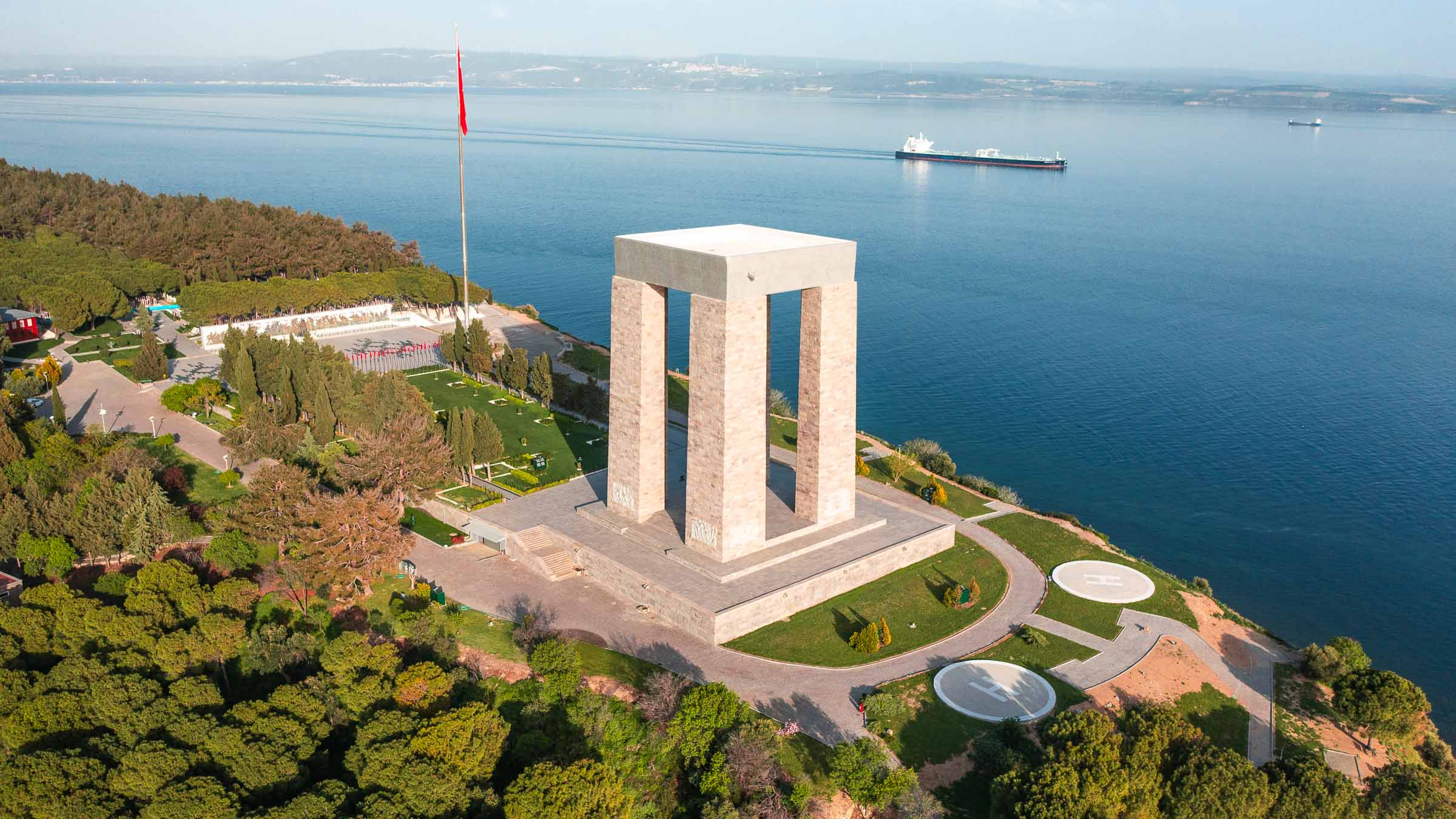
The Trojan horse, the Gallipoli memorials, the temple of Apollo at Smintheion, the medieval castles guarding the Dardanelles, and the wine islands of Bozcaada and Gökçeada, all in one province.
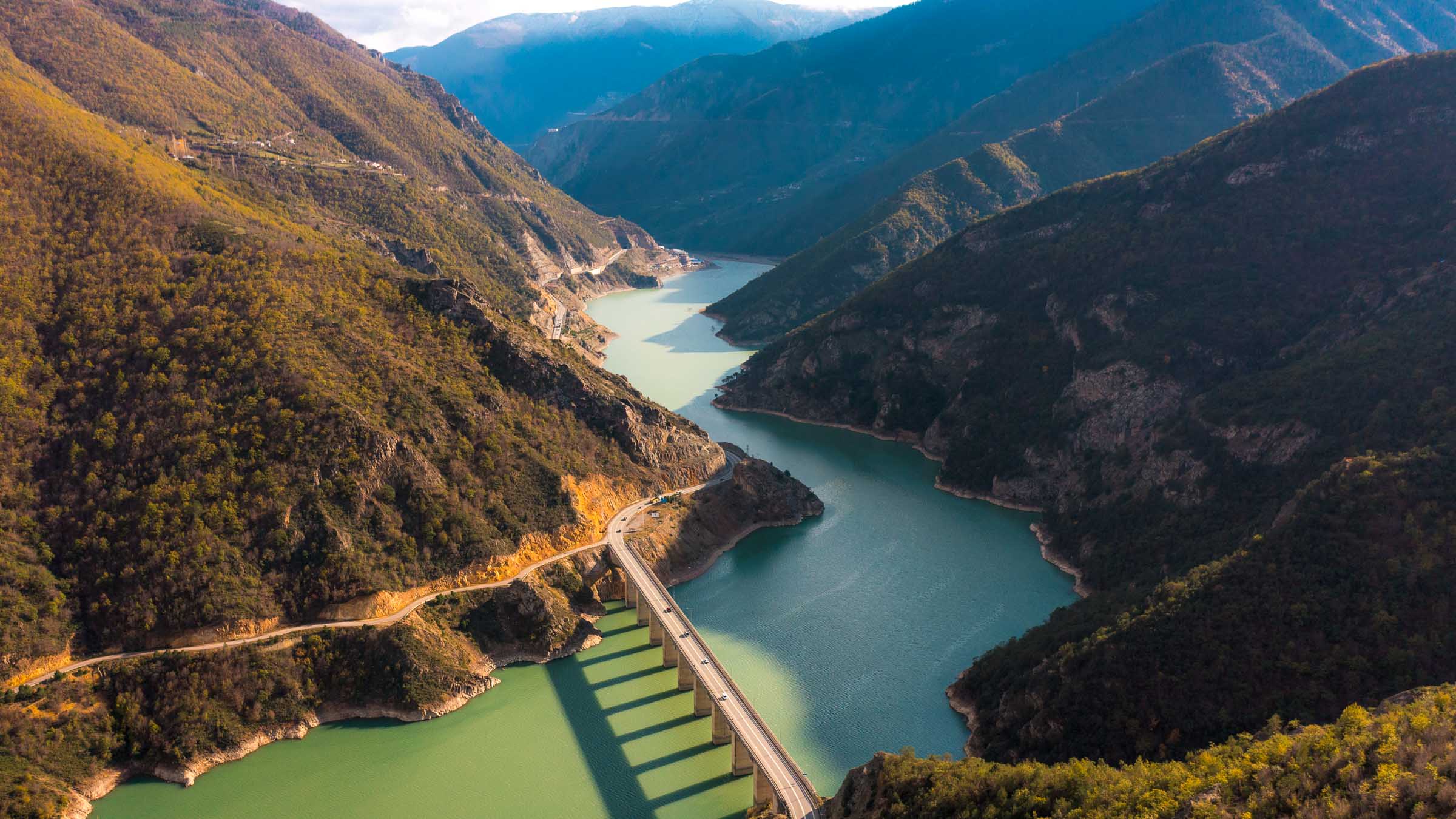
Two Karagöl lakes, a Çoruh River that the locals raft and the engineers re-routed, monasteries half-hidden in valleys, and one of the least-visited Turkish provinces.
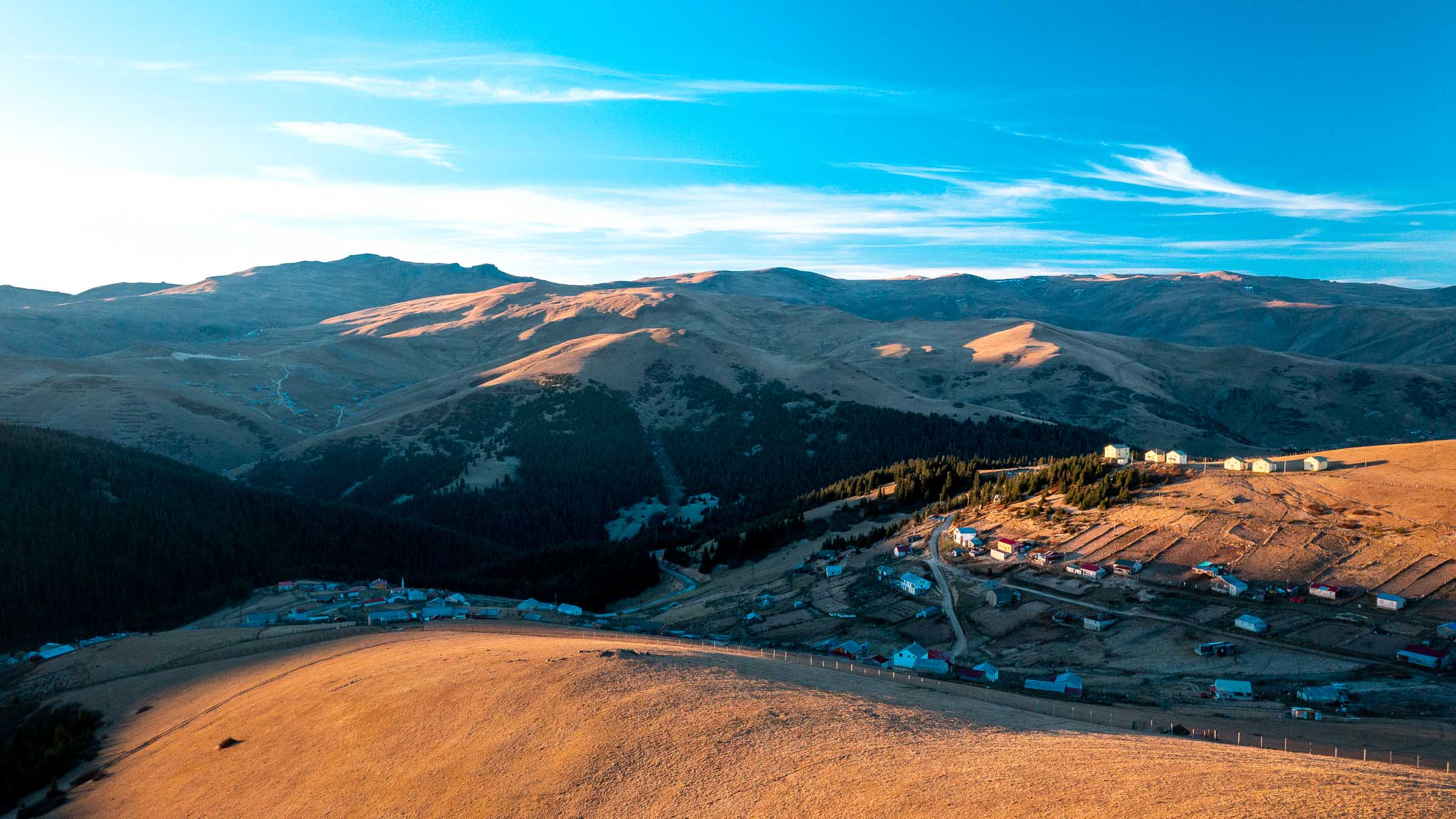
Tea, hazelnuts, and a village where they communicate across mountain valleys by whistling. One of the eastern Black Sea's most underrated stops. Most of its best moments are inland.
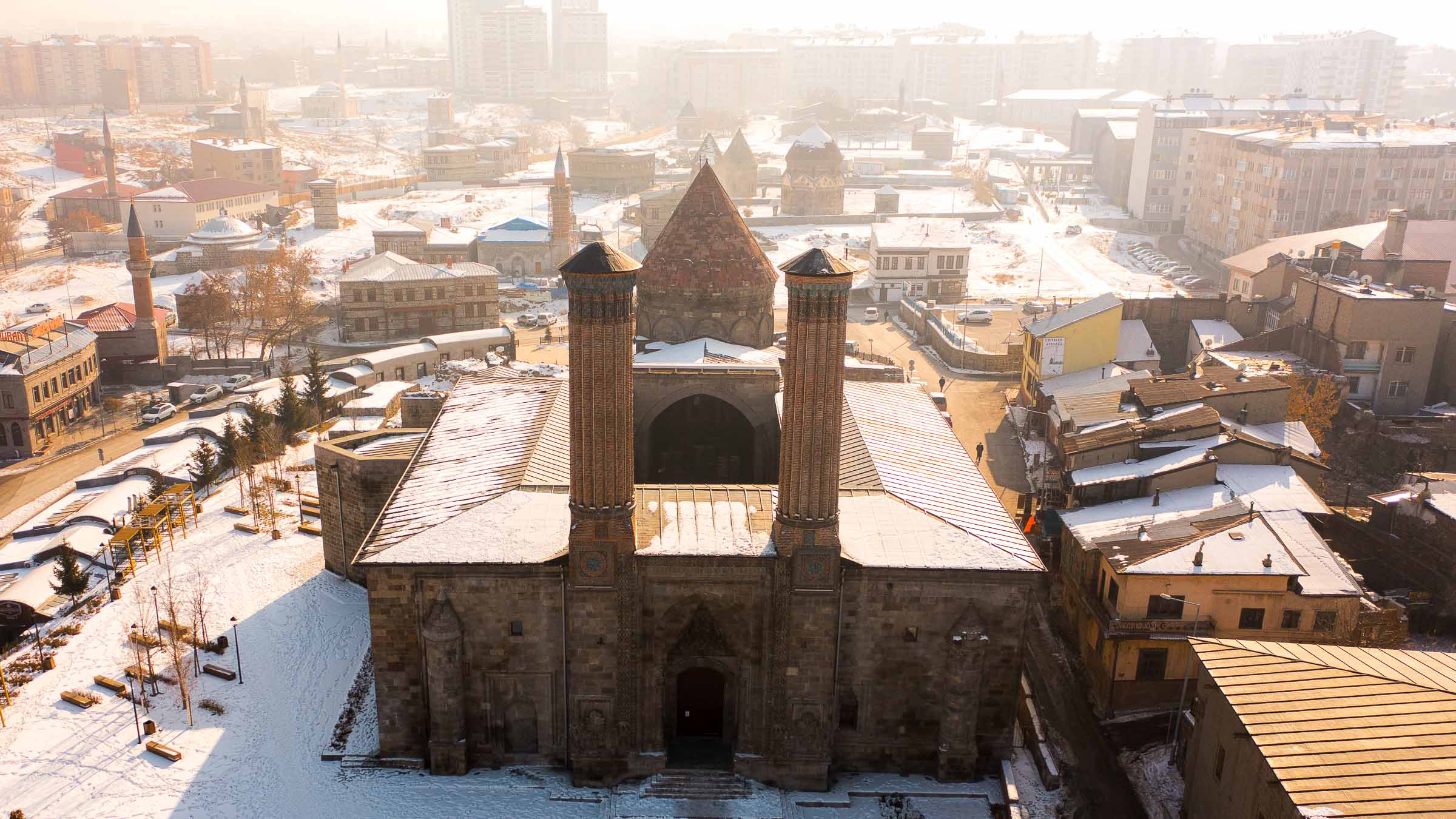
At 1,950 metres on the eastern Anatolian plateau, one of the highest provincial capitals in Türkiye. Seljuk and Ottoman stone, the country's best ski resort, and the famous Doğu Express terminus.
The Cilo and Sat mountains, glaciers that almost nobody photographs, the Zap River cutting through canyons, and a regional culture you cannot see anywhere else in the country.
Ordu starts at the water and climbs. In a single drive: wake up by the sea, stand inside a Byzantine castle, lunch on a plateau at a thousand metres, watch the city light up below you at sunset.
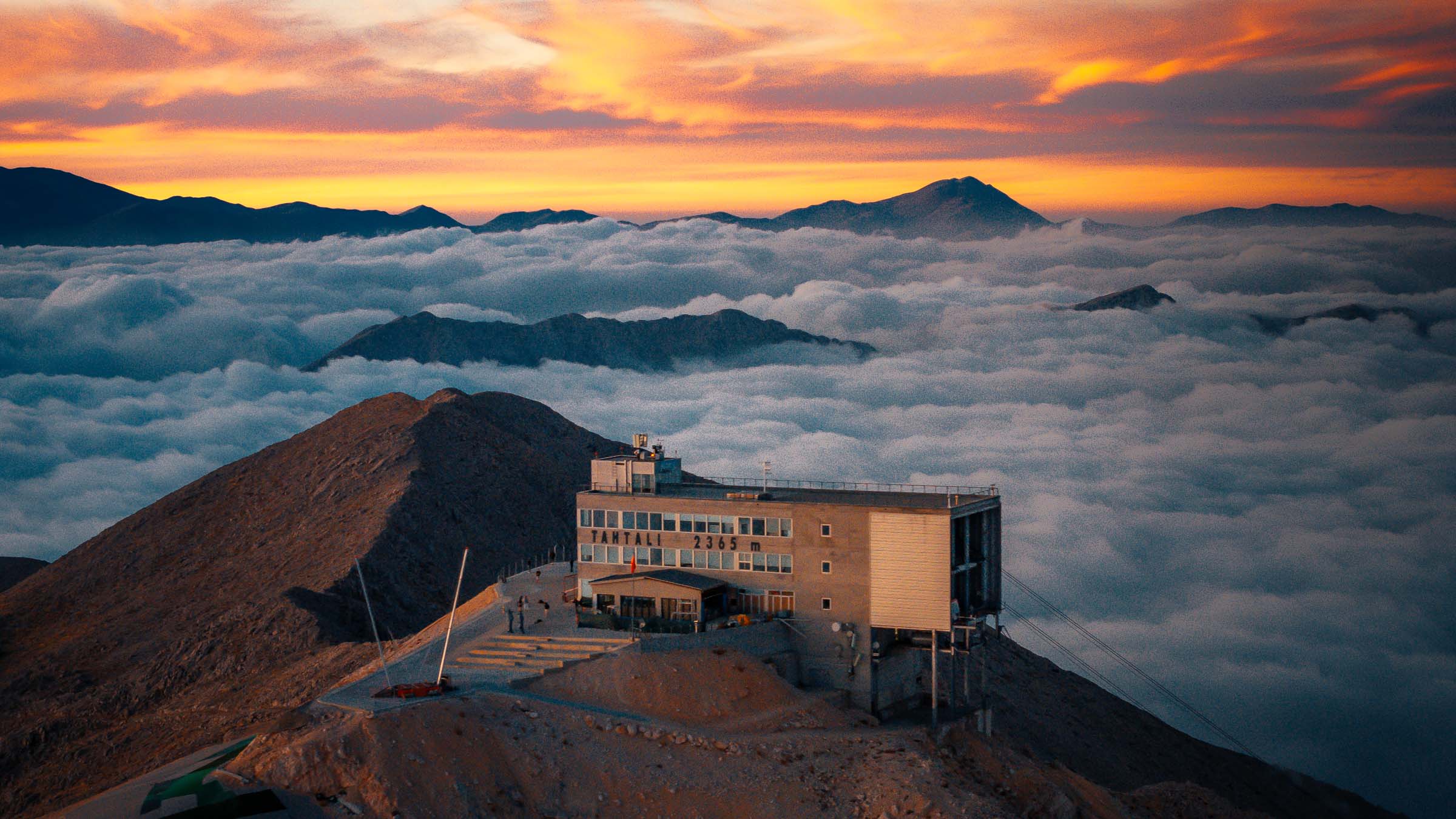
Emli Valley campsites, Kazıklı Ali Canyon's vertical rock, the Bolkar mountains' alpine lakes. Where Turkish mountaineering grew up, and where most Turks who climb spend their summers.
Kaz Dağları's pine and oxygen, Ayvalık's old Greek streets, Cunda's harbour seafood, a Glass Terrace at altitude. The Aegean before it became a brand.
Choose which cookies you allow. Essential cookies are always on because the site cannot function without them. Your choice is saved on your device and you can change it anytime from the Cookies Policy page.
Required for core features such as remembering your language and that you have seen this notice. Always active.
Help us understand which pages are visited and how the site is used, in aggregate. These may transfer data to providers outside Türkiye. Off until you allow them.