Southern Turkey, Çukurova Plain

Adana

The kebab capital. Stone bridge. Çukurova.

Scroll
RegionMediterraneanÇukurova plain
Best SeasonOct to AprSummers very hot (40°C+)
Known ForAdana KebabStone bridge, şalgam, cotton
AirportÇukurova (COV)35 km from the city centre
Why Visit

Adana

Turkey's fifth largest city and the economic capital of the Çukurova, a place that works for a living, busy and proud of its food, where one of the country's defining kebabs sits next to a 2,000-year-old Roman bridge.

The Taşköprü, the Roman stone bridge across the Seyhan River, still carries pedestrians through the city centre, its 14 surviving arches an improbable continuity from the 2nd century AD. The Sabancı Central Mosque, one of the largest in Turkey, sits beside it on the river. The old bazaar around the Ulu Cami has been trading continuously for centuries and the Adana Archaeological Museum, recently expanded, holds finds from Anavarza, Yumurtalık and the wider Çukurova plain.

The Adana kebab is the dish every Turkish person mentions when the city comes up, and rightly. Hand-minced lamb with isot pepper and tail fat, shaped onto a wide flat skewer and grilled over charcoal, paired with şalgam, the fermented turnip juice. Beyond the city, the Çukurova reaches Anavarza's ruined Armenian city, Kozan's hilltop castle, Yumurtalık's sea fortress and the Varda Bridge that still carries the Berlin-Baghdad railway across a deep gorge.

Places to Visit in Adana · Eight Anchors

Where you actually go in Adana.

Eight places worth your time. Tap a photograph, the map will follow.

01
Taskopru Roman Stone Bridge

Taşköprü (Roman Stone Bridge)

A Roman bridge from the 2nd century AD across the Seyhan River, built under Emperor Hadrian, with 14 of its original 21 arches surviving in use. The bridge was the primary crossing point of the Seyhan for almost two millennia and still carries pedestrian traffic today. The scale of the arches, viewed from the river bank at water level, conveys the engineering ambition of the original construction more clearly than any description. The bridge is best at dawn before the city wakes, or at dusk when the light is on the stonework. Free access, 24 hours.
03
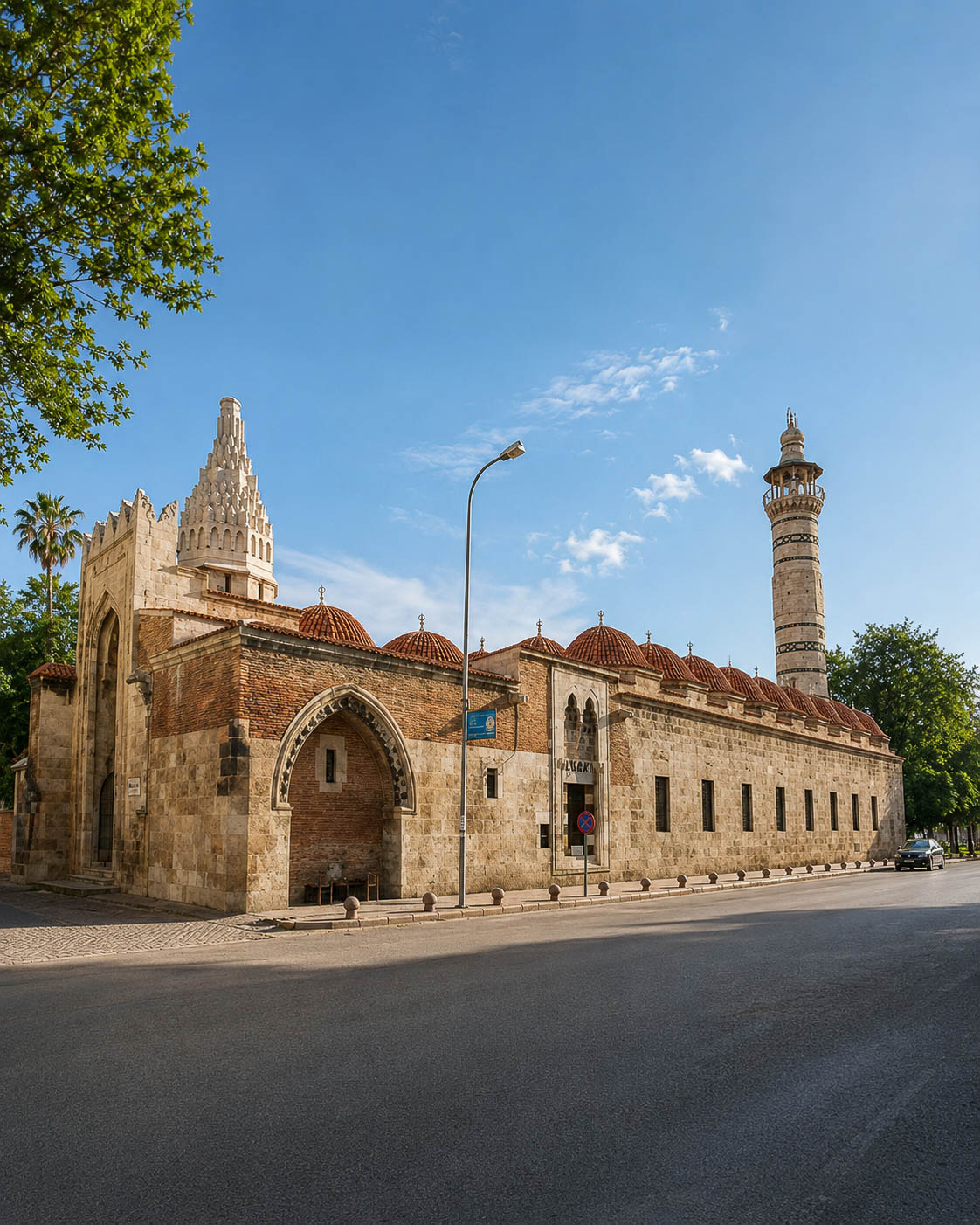
Ulu Cami and Old Bazaar

Ulu Cami and Old Bazaar

The 16th-century Ulu Cami (Great Mosque) with its black and white striped stonework is the oldest significant Ottoman monument in the city centre. The surrounding bazaar district has operated continuously since at least the Ramazanoğlu principality period in the 15th century. The covered market lanes sell spices, textiles, copper goods and regional food products. The isot biber - the dark, sun-dried red pepper specific to Adana and Urfa - is the essential purchase. Without it the Adana kebab cannot be made correctly.

05
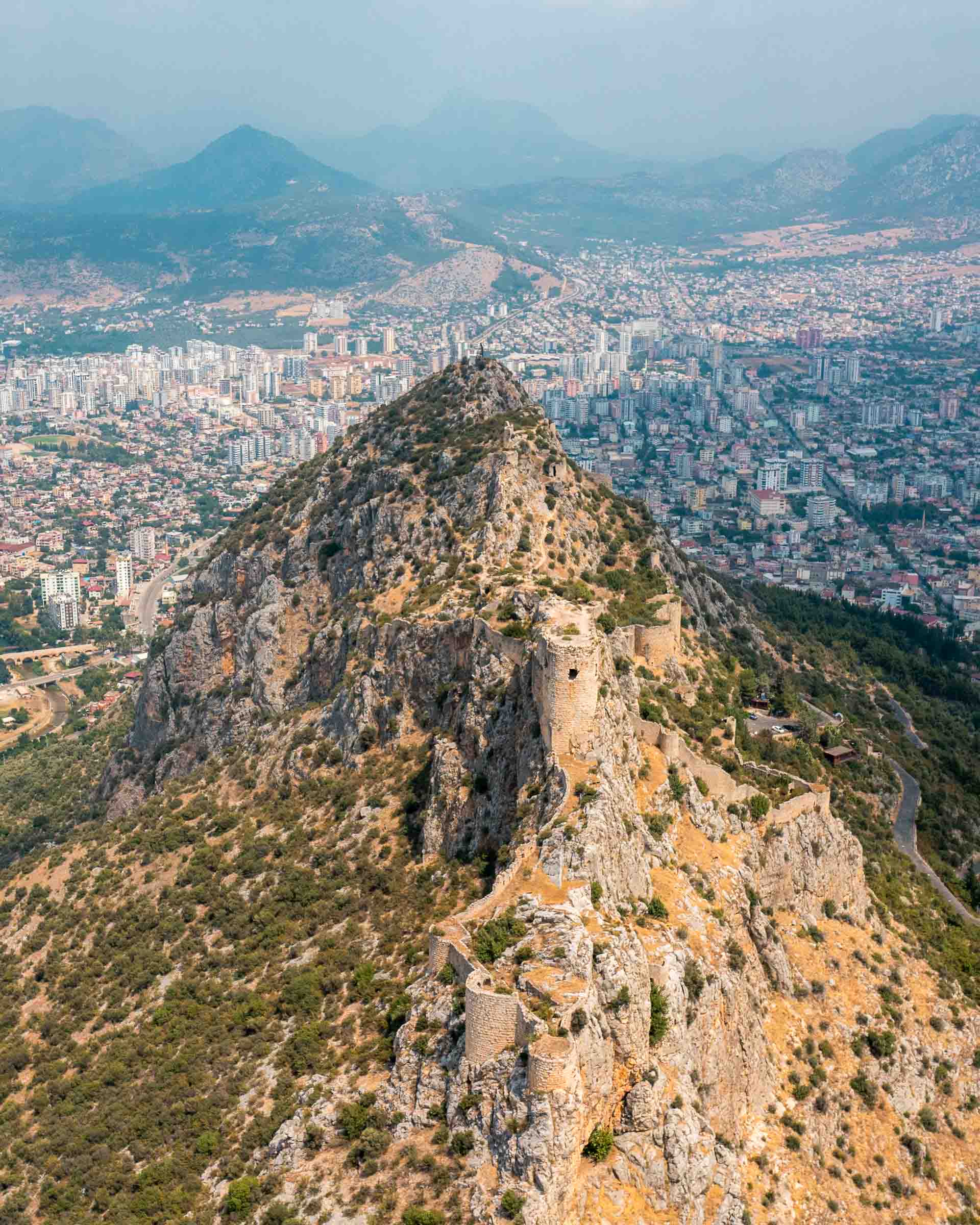
Kozan Castle

Kozan Castle

A medieval castle on a steep limestone outcrop above the town of Kozan, 80 km north of Adana, with rings of walls and towers climbing the rock. Once Sis, the capital of the Armenian Kingdom of Cilicia between the 11th and 14th centuries and seat of the Armenian Catholicos, the castle is among the most extensive fortifications in southern Turkey. The views over the Çukurova plain from the upper walls are exceptional and the small town below is rarely visited.

07
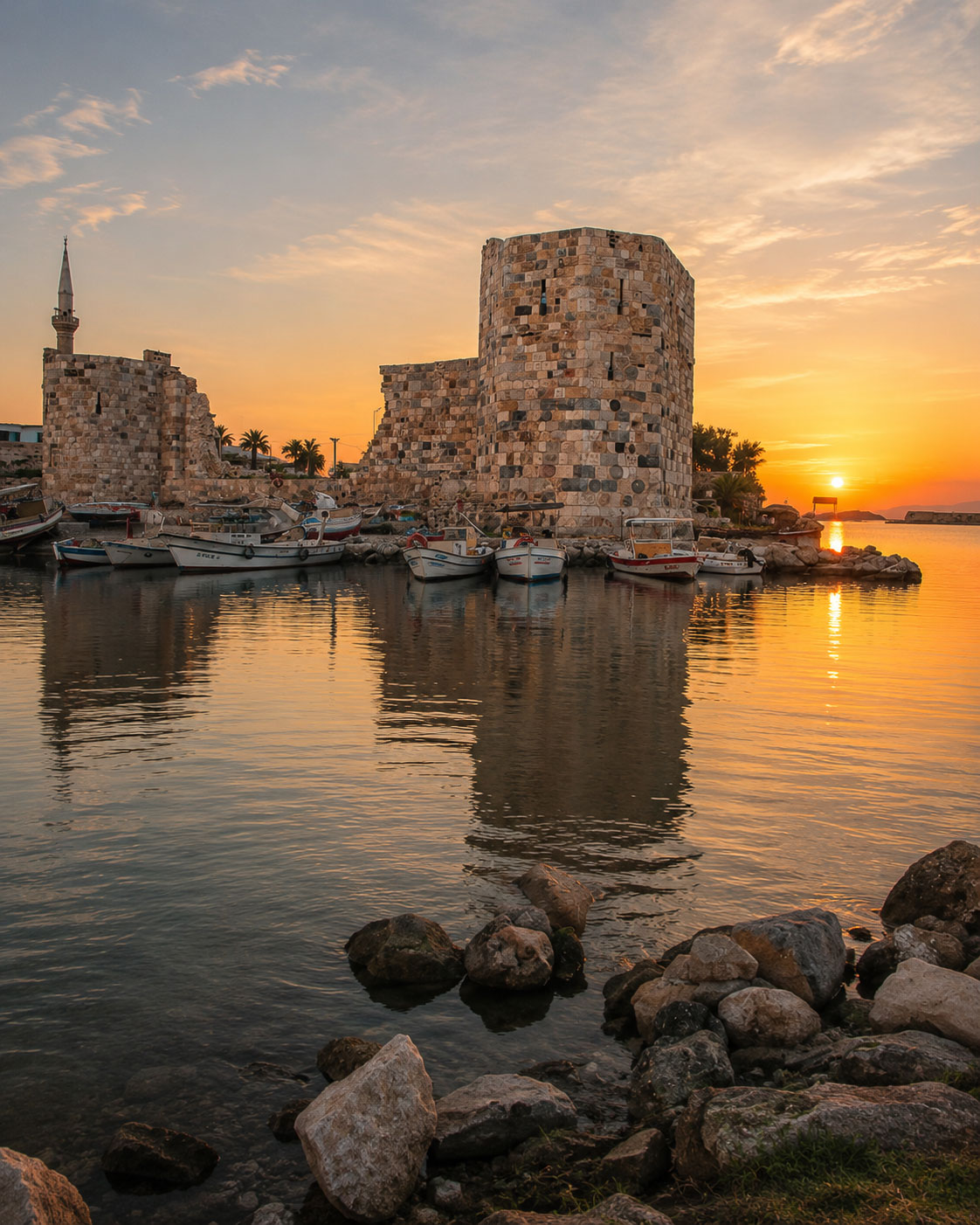
Yumurtalik Castle

Yumurtalık Castle

A medieval Armenian and later Genoese fortress on the eastern Mediterranean coast, 80 km south of Adana near the town of Yumurtalık. The castle stands on a rocky promontory over the sea with towers and walls substantially intact. The surrounding coastline has undeveloped beaches and a small fishing harbour. A good half-day from Adana combined with a drive through the Çukurova citrus orchards along the coastal road.

02
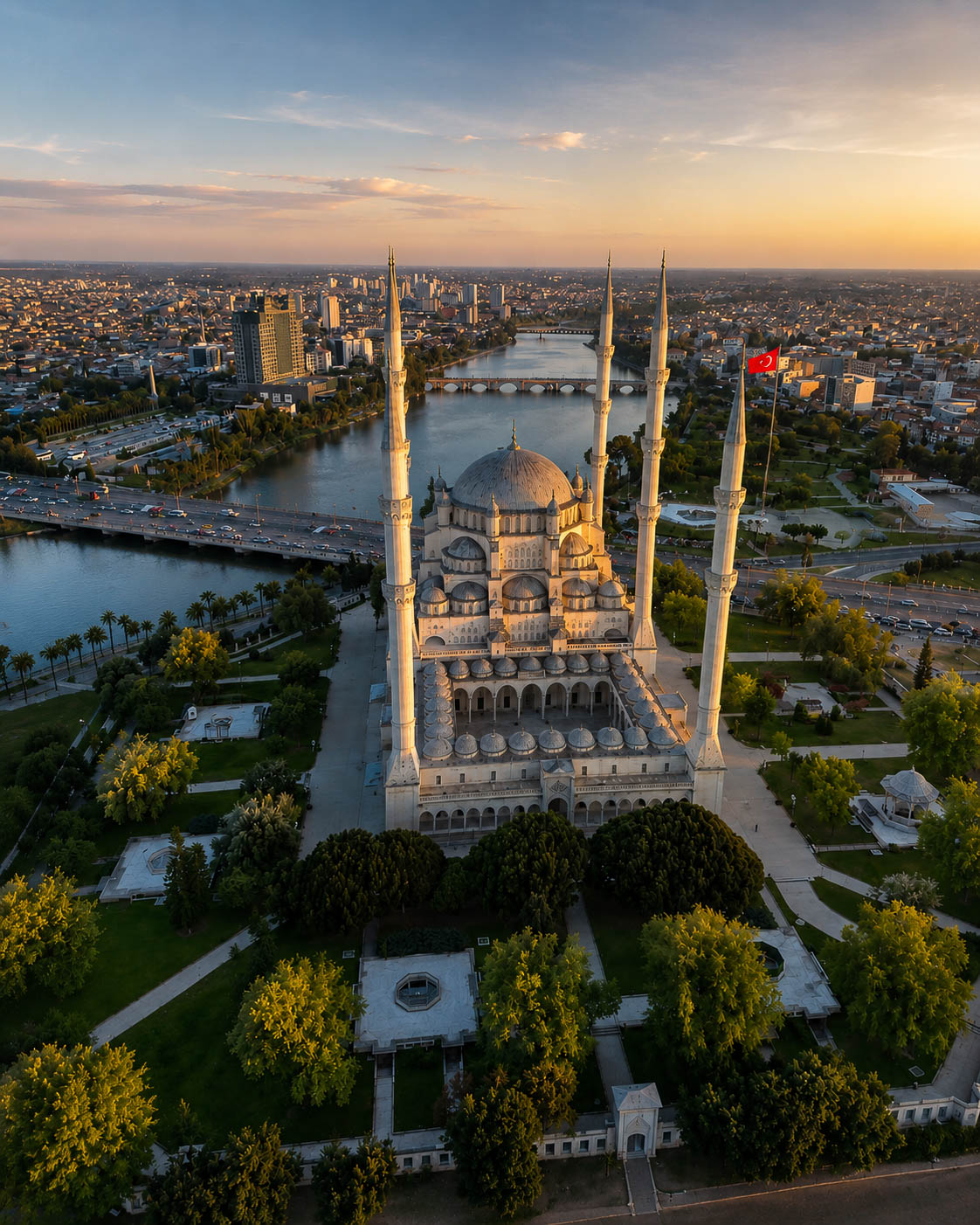
Sabancı Central Mosque

Sabancı Central Mosque

Completed in 1998 and funded by the Sabancı family, this is the second largest mosque in Turkey and the dominant landmark of Adana's riverside. Six minarets, a central dome of 54 metres, and a capacity of 28,500 worshippers. The interior is decorated with Iznik-inspired ceramic tiles and calligraphy panels of high quality. Entry for non-worshippers is permitted outside prayer times. The exterior, particularly from the Seyhan River bridge, has a composition that is genuinely impressive - the mass of domes and minarets reflected in the river is the postcard image of modern Adana.

04
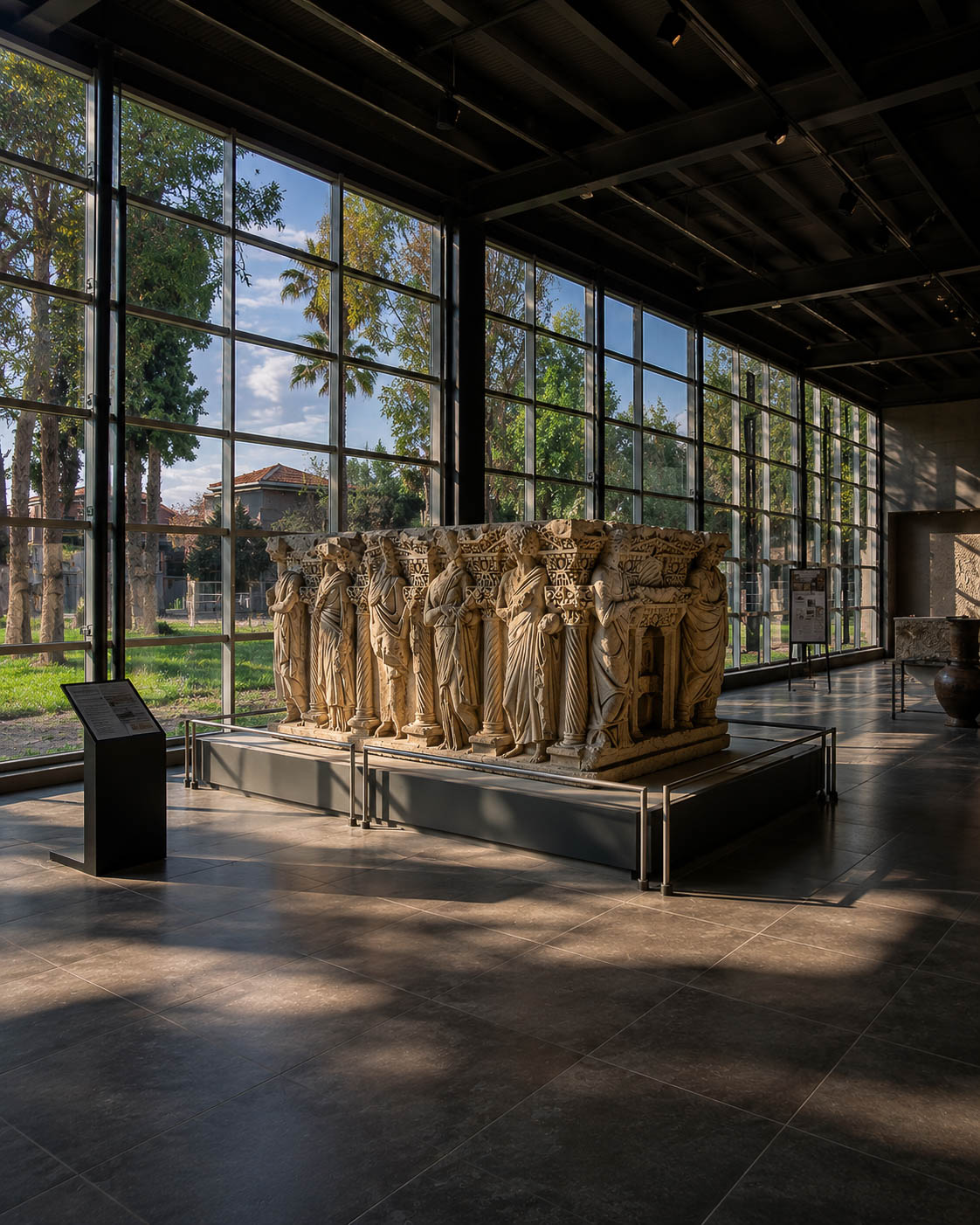
Adana Archaeology Museum

Adana Archaeology Museum

One of the most important regional archaeology museums in Turkey, with collections spanning the Neolithic, Bronze Age, Hittite, Assyrian, Greek, Roman and Byzantine periods from excavations across the Çukurova region. The Hittite and Late Bronze Age material is particularly significant - the Çukurova was the heartland of the Kizzuwatna kingdom and later a contested zone between Hittite and Egyptian empires. The sarcophagus collection from the Roman period is the largest in the region. Allow 2 to 3 hours. Entry fee applies.

06
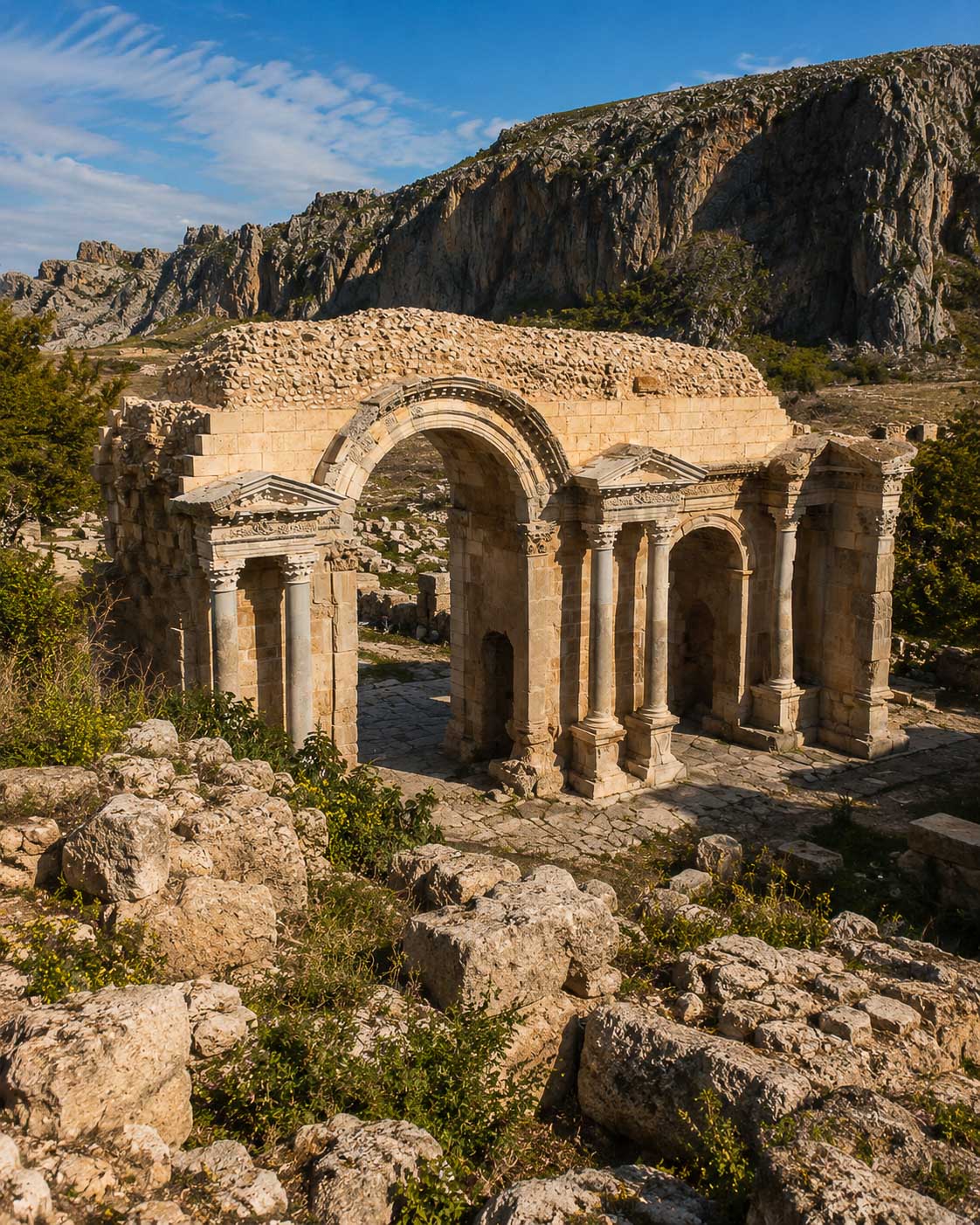
Anavarza Ancient City

Anavarza Ancient City

A Hellenistic and Roman city 70 km northeast of Adana, dramatically sited on a volcanic rock rising from the Çukurova plain with an Ottoman fortress on the summit and extensive Roman ruins at the base. The colonnaded street, the triumphal arch and the theater are the main monuments. Less visited than major sites but with an atmosphere - the contrast of the ancient columns against the flat agricultural plain and the volcanic rock - that is entirely its own. The drive through the Çukurova cotton fields to reach it is the correct approach to understanding the landscape.

08
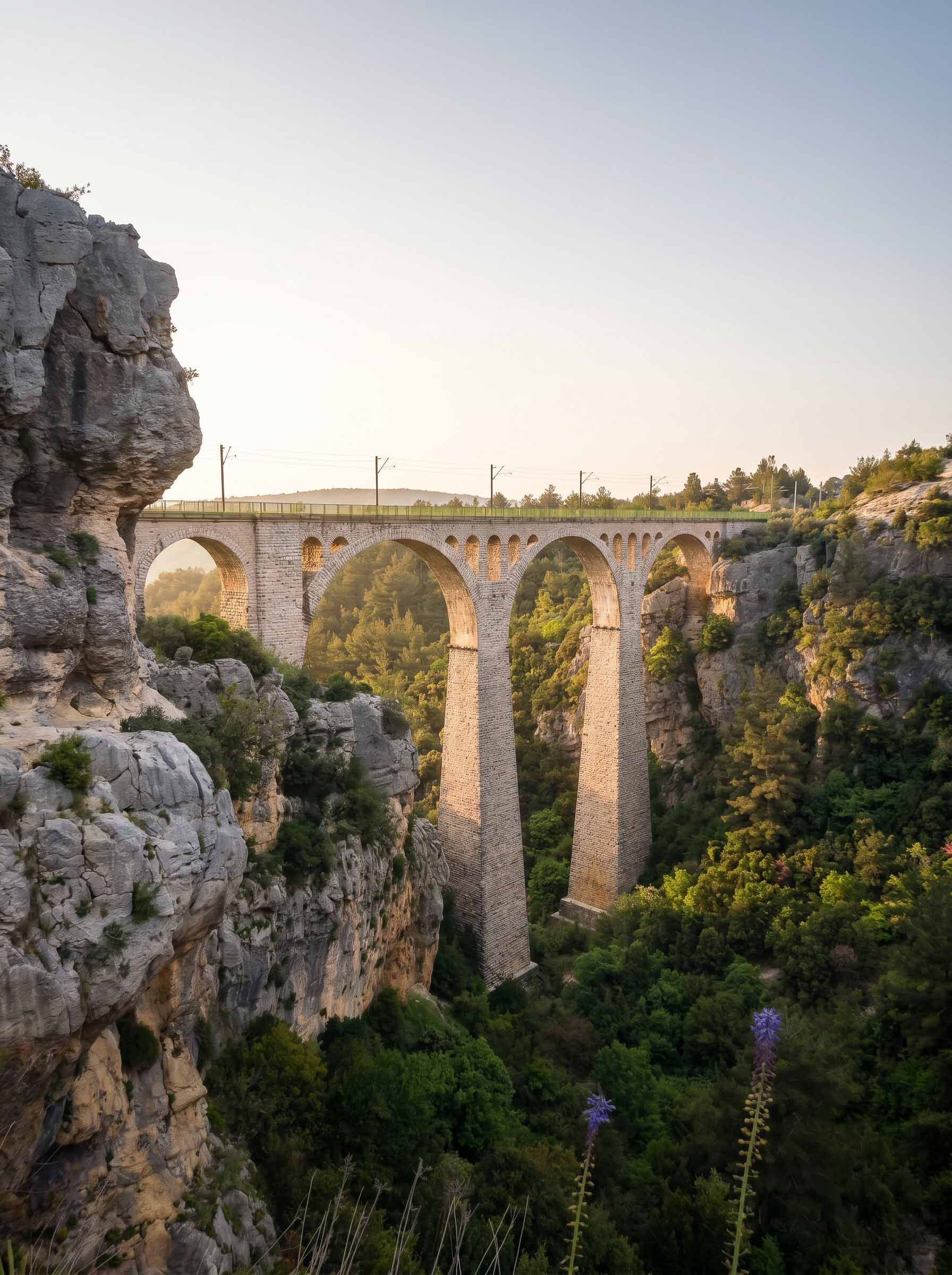
Varda Bridge

Varda Bridge

A stone railway viaduct in the Taurus mountains north of Adana, 172 metres long and 98 metres high, built between 1912 and 1916 as part of the Berlin to Baghdad railway. Eleven graceful arches stretch across a deep gorge, still carrying the Adana to Konya line today. Recognisable from the opening sequence of the James Bond film Skyfall, the bridge sits in a quiet rural setting around two hours from the city, with a viewing area on the cliff opposite.

Next · Food and Cuisine ↓ continue reading
Local Cuisine Mediterranean Table

Food and Cuisine

Adana's food culture is built around fire, meat and isot pepper. The Adana kebab is its most famous export but the broader table - şalgam, hummus, liver, cold mezes and the breakfast culture of the south - is equally serious. The city eats late and enthusiastically.

The Signature
Adana Kebabı

Hand-minced lamb with tail fat and isot biber (dark dried red pepper), shaped onto a wide flat skewer and grilled over charcoal until the fat renders and the surface chars slightly. The isot gives a slow, smoky heat rather than immediate sharpness. Served on lavaş with grilled tomato, pepper and red onion. The technique of mincing by hand with two cleavers, the proportion of tail fat, and the charcoal temperature are the variables that separate a definitive Adana kebab from a mediocre one. The better kebabcıs in Adana have been working these variables for decades.

The Companion
Şalgam Suyu

Fermented black carrot and turnip juice, tangy and slightly sour, served cold in a tall glass. The sour fermented vegetable drink cuts through the fat of the kebab and is the canonical accompaniment - ordering kebab with anything else in Adana signals that you don't know. There is also an acı (hot) version with isot pepper added. Produced locally and sold from street carts and at every kebab restaurant in the city. Drink it cold, in quantity, without hesitation.

The Offal
Ciğer Kebabı

Liver kebab is as central to Adana's grill culture as the lamb kebab. Fresh lamb liver cut into small cubes, threaded onto skewers with tail fat, and grilled over very high heat for a very short time - the inside must remain pink. Seasoned with isot and served with the same accompaniments as the Adana kebab. The dedicated ciğer restaurants open early and serve through the morning as a breakfast food. Order a mixed plate with both liver and lamb kebab at a good kebabcı.

Summer Dessert
Bici Bici

A Çukurova summer dessert specific to Adana: starch pudding cubes layered with shaved ice, rosewater syrup and powdered sugar, served in a shallow bowl. The pleasure is the contrast between the crisp ice and the soft pudding, and the floral cleanness of the rose. It is sold from dedicated bici bici carts around Atatürk Park and the city centre, busiest in the late afternoon when the heat breaks. The classical accompaniment is a glass of cold şıra. Nothing else in the Turkish dessert canon resembles it.

Bazaar Specialty
Şırdan

Lamb abomasum stuffed with rice, onion, isot pepper and a small quantity of minced meat, sewn shut and slow-cooked until the casing is tender. Sliced into rounds and served with cumin, isot and lemon at small dedicated stalls in the old bazaar district. The texture is delicate, the flavour heavily spiced. It is a bazaar food rather than a restaurant food - the best şırdancıs open mid-morning and sell out by early afternoon. Not for the squeamish, but technically one of the more accomplished offal preparations in southern Turkish cooking.

Stuffed Offal
Mumbar Dolması

Lamb intestine cleaned thoroughly, then stuffed with seasoned rice, minced meat, tomato paste and isot, tied in segments and either boiled or slow-cooked in a tomato-based stock. Served sliced, usually with garlic yoghurt and a drizzle of paprika butter. A homestyle dish more than a restaurant dish - the better local lokantas put it on the menu in winter, alongside other stuffed offal preparations. The Çukurova version is more heavily spiced than the central Anatolian equivalents.

Where to Eat

Recommended Restaurants

The kebab and ciğer addresses that define the city, the all-night şırdancı institutions and the bici bici stall that locals stop at first on a hot day

Onur Kebap (Şevket Usta)
★★★★ 4.2 (1,000+ reviews)

A neighbourhood favourite open since 1990 in Cemalpaşa, doing Adana kebab made from male lamb with hand-minced meat the traditional way. Şevket Usta is usually at the door. The mezes and warm hummus that arrive before the meat are a meal in themselves, followed by külbastı, ciğer and a finishing plate of kaymaklı tel kadayıf. Less famous than the headline addresses, more loved by locals.

Adana kebab and warm hummus
Birbiçer Kebap
★★★★ 4.1 (11,000+ reviews)

A large kebab house on Bakımyurdu Caddesi, one of the most visited names in the city for the full Adana table. Lamb rib (kaburga) is the order regulars cite first, alongside ciğer şiş, kuşbaşı and çöp şiş, with a parade of free starters: cold salads, spicy ezme, fresh bread, pickles. Sit close to the grill if you can. Touristy but the food holds up.

Kaburga and ciğer şiş
Ciğerci Mahmut
★★★★ 4.4 (3,500+ reviews)

An ultra-casual ciğerci in Reşatbey, widely held to be the city's finest, where the lamb liver comes off the skewer pink in the middle and melting, never refrigerated and never hidden behind spice. The fresh ezme salad and the non-industrial şalgam served alongside are part of what makes it special, and the Adana kebab here is among the best in town. Open from late morning, busy by noon, and one of the few open Sundays.

Ciğer şiş and Adana kebab
Tarihi Büyüksaat Ciğercisi (Memet Usta)
★★★★ 3.7 (7,000+ reviews)

A 24-hour ciğerci right next to the historic Büyüksaat clock tower in the old bazaar, with the atmosphere of an old Adana inn: dim lighting, brick walls and the smell of charcoal. Mehmet Usta tells you what is good that night. Ciğer şiş and Adana kebab are the consistent orders, and şalgam alongside is non-negotiable. Lively, busy, properly Adana.

Ciğer and Adana kebab around the clock
Şırdancı Bedo
★★★★ 4.3 (12,000+ reviews)

The legendary şırdancı on Karacaoğlan Caddesi, opening in the late afternoon for the city's all-night ritual. Şırdan, the spiced bulgur-and-rice-stuffed lamb stomach, is the dish, served wrapped in paper with cumin, lemon and chilli flakes. Start with paça or işkembe çorbası to warm up. Open until four in the morning, busiest after midnight.

Şırdan and paça soup
Yüzevler Restoran
★★★★ 3.9 (900+ reviews)

The polished end of Adana kebab on Ziyapaşa Boulevard, in business for decades and a regular stop for visiting dignitaries (the walls carry the photographs to prove it). White tablecloths, professional service and a long meze list lead into Adana, kuzu pirzola and çöp şiş done at a consistent level. Better suited to a quieter dinner than a busy lunch.

Refined Adana kebab table
Aşkın Bici Bici
★★★★★ 4.7 (500+ reviews)

A small stall on a row of bici bici shops near the city centre, doing the rose-water summer dessert that Adana invented: shaved ice over a layer of starch jelly, topped with rose syrup, pomegranate seeds and a snow of powdered sugar. Aşkın greets every first-timer himself and shows them how to eat it. The lighter, faster antidote to the kebab heat.

Bici bici and şalgam
Şırdancı Kemal
★★★★ 4.3 (3,400+ reviews)

A spacious alternative to Bedo a few doors up the same Karacaoğlan Caddesi şırdan strip, open from the afternoon until four in the morning. Şırdan, mumbar dolması, paça çorbası and a wider menu of offal preparations than the smaller stalls, with prompt service and indoor tables that suit groups. A reliable second stop if Bedo is full.

Şırdan and mumbar dolması
Experiences

Things to Do

01
Taşköprü at Dawn

The Roman bridge is best before 08:00 when the city is quiet and the low morning light is on the stonework. Stand at the midpoint and look down at the arches meeting the water - the 2,000-year-old construction is most apparent at this angle and in this light. The Sabancı Mosque behind you, the riverside park below, the old city quarter on the far bank. Allow 30 minutes at the bridge before the breakfast restaurants open. The water level varies seasonally; in spring the arches are at their most dramatic with the Seyhan running high.

02
Kebab Lunch Circuit

The serious kebabcı restaurants in Adana serve lunch from noon until the meat runs out - typically between 14:00 and 15:00. This is the central cultural experience of visiting the city. Order the Adana kebab with all accompaniments: lavaş, grilled tomato and pepper, red onion, sumac, parsley and şalgam. Watch the preparation if the kitchen is visible. Take time with the meze first - hummus, red pepper spread, liver salad. Do not rush. This is not a meal to eat standing. Budget 200 to 400 TL per person at a good kebabcı including drinks.

03
Çukurova Drive

The drive east from Adana through the Çukurova plain toward Ceyhan and Anavarza passes through one of Turkey's most productive agricultural zones - cotton fields stretching to the horizon in summer, orange orchards along the water channels, and the dramatic backdrop of the Taurus Mountains to the north. The Anavarza ancient city at the end of this drive (70 km northeast of Adana, near Kozan) adds an archaeological dimension to what is otherwise a landscape experience. Go in October when the cotton harvest is underway and the plain has its fullest character.

Day Trips

75 km west, about 1 hr
Mersin and Kızkalesi

The Mediterranean coast west of Adana reaches Mersin in about an hour. Kızkalesi (Maiden's Castle), 140 km from Adana, has a medieval fortress built on a small island a few hundred metres from the shore - accessible by rowboat from the beach - and a second fortress on the mainland opposite. The coastal road between Mersin and Kızkalesi passes through citrus orchards with the Mediterranean to the south. Silifke, 165 km from Adana, has a Byzantine fortress, an archaeological museum and the nearby Uzuncaburç ancient city with a Temple of Zeus that is in exceptional condition.

190 km east, about 2 hr 30 min
Antakya (Hatay)

Antakya - ancient Antioch on the Orontes - is 190 km southeast of Adana and one of the most historically layered cities in Turkey. The Hatay Archaeology Museum holds Turkey's largest collection of Roman mosaics and one of the largest mosaic displays in the world. The old bazaar and the mixed Christian-Muslim-Alevi community character of the Hatay region is unlike anywhere else in Turkey. The food - particularly the künefe, the stuffed lamb dishes and the local pepper preparations - is different again from Adana and worth the journey independently of the history.