Western Anatolia, Crossroads of Turkiye

Afyonkarahisar

The black rock fortress. Thermal springs. Kaymak at dawn.

Scroll
RegionAegeanWestern Anatolia plateau
Best SeasonApr to OctThermal visits year-round
Known ForThermal SpasKaymak, sucuk, marble
ClimateContinentalCold winters, warm summers
Why Visit

Afyonkarahisar

A city most travelers drive past, crowned by a black volcanic rock and a Hittite castle, and quietly the thermal spa and clotted cream capital of Turkey.

A volcanic rock rises 226 metres over the plain, a Hittite-era castle at its summit reached by a long stone staircase. At its base sit cobbled lanes, timber-framed Ottoman houses and Seljuk mosques with carved wooden interiors, some of the most intact historic fabric in western Anatolia. The city is also Turkey's capital of thermal tourism: the springs at Omer, Gazligol, Gecek, Heybeli and Hudai reach 46 to 85 degrees and have drawn visitors since antiquity, with the highest concentration of purpose-built thermal resorts in the country.

And then there is the food. Afyon kaymak, the clotted buffalo cream served on warm bread with honey at a morning tea house, is in a category of its own, and the sucuk produced here carries an appellation of origin. These are not minor regional variations but the real things. Eating them in Afyon at a table by an old stone wall in the morning is the kind of experience that stays with you, and the reason the travelers who do stop tend to stay longer than planned.
Places to Visit · Eight Anchors

Where you actually go in Afyonkarahisar.

Eight places worth your time. Tap a photograph, the map will follow.

01
Afyonkarahisar Castle

Afyonkarahisar Castle

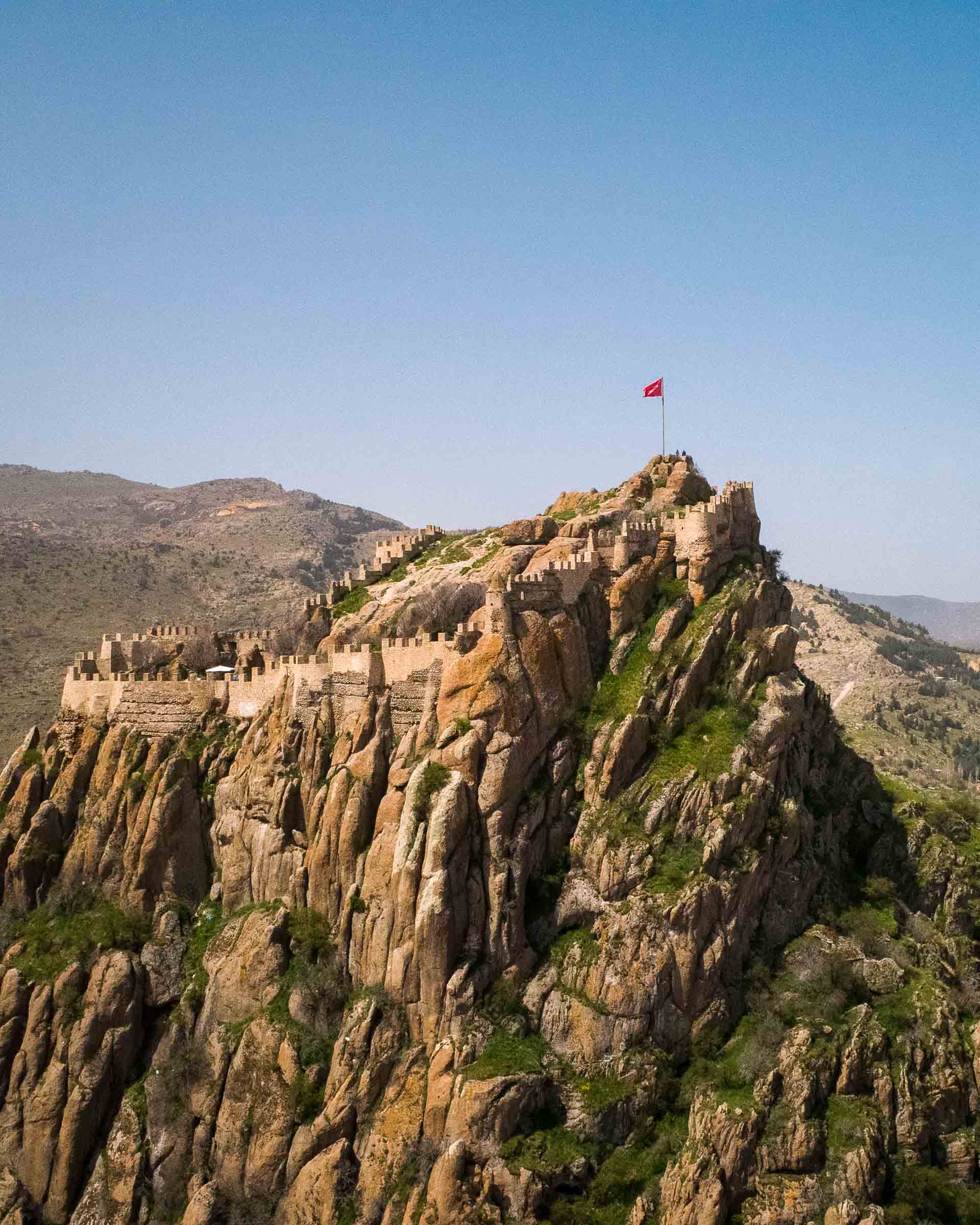
A fortress on a dark volcanic rock rising more than 200 metres straight out of the city, with origins going back to the Hittite period over three thousand years ago and later use by Phrygians, Romans, Byzantines and Seljuks. A long stone staircase climbs to the top in around half an hour, where the walls, cisterns and rock-cut chambers are free to enter and the view stretches across the plateau in every direction. Best in the early morning before the heat.

03
Afyonkarahisar Ulu Cami

Afyonkarahisar Ulu Cami

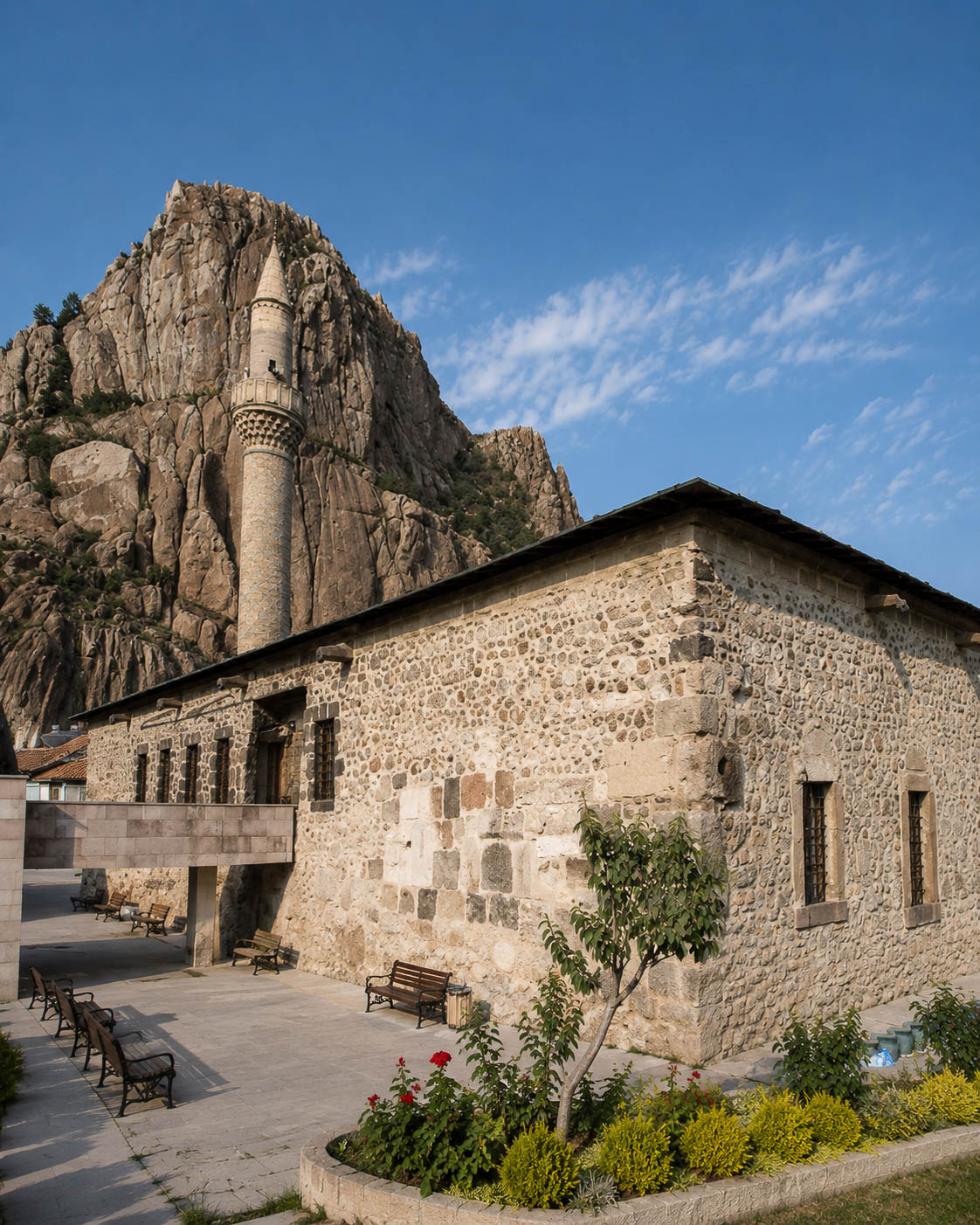
Built between 1272 and 1277 under Seljuk rule, this is one of the finest surviving wooden hypostyle mosques in Anatolia. Forty wooden columns in five rows carry a flat timber ceiling, with carved stalactite capitals and no nails in the original construction, which is why it is also known as the Forty-Column Mosque. In 2023 it was added to the UNESCO World Heritage List as part of the medieval Anatolian wooden hypostyle mosques. It sits at the foot of the castle rock in the old quarter and is free to enter outside prayer times.

05
Akdağ Nature Park

Akdağ Nature Park

A nature park of around 14,500 hectares in the Sandıkly district southwest of the city, protected since 2000, with forest, meadows, springs and wildlife including wild horses and deer. The long Tokalı Canyon running through it is a draw for trekkers, and the area pairs well with the nearby Hüdai thermal springs. Green and cool in summer, it is one of the best spots in the province for walking, picnics and camping away from the plateau heat.

07
Lake Eber

Lake Eber

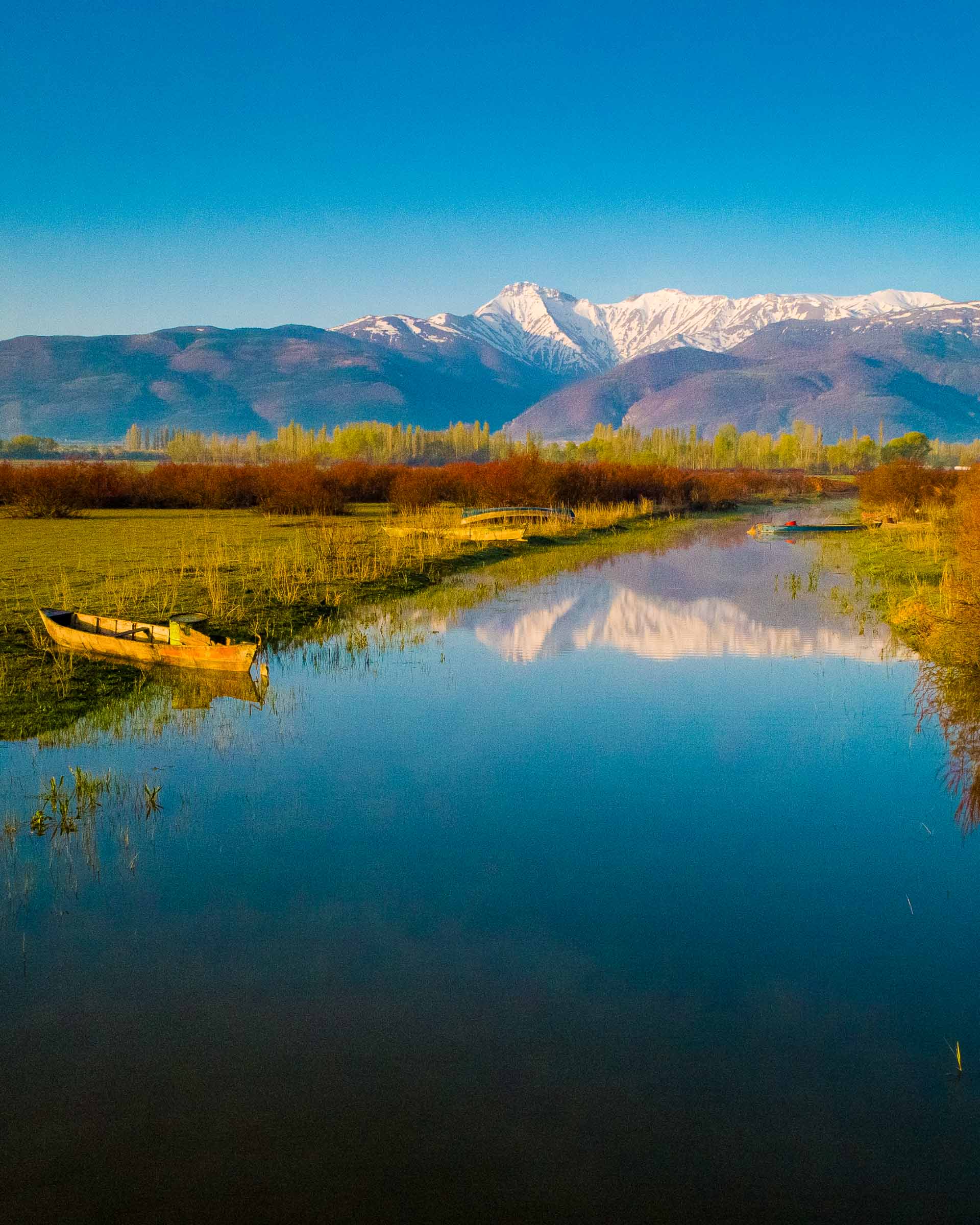
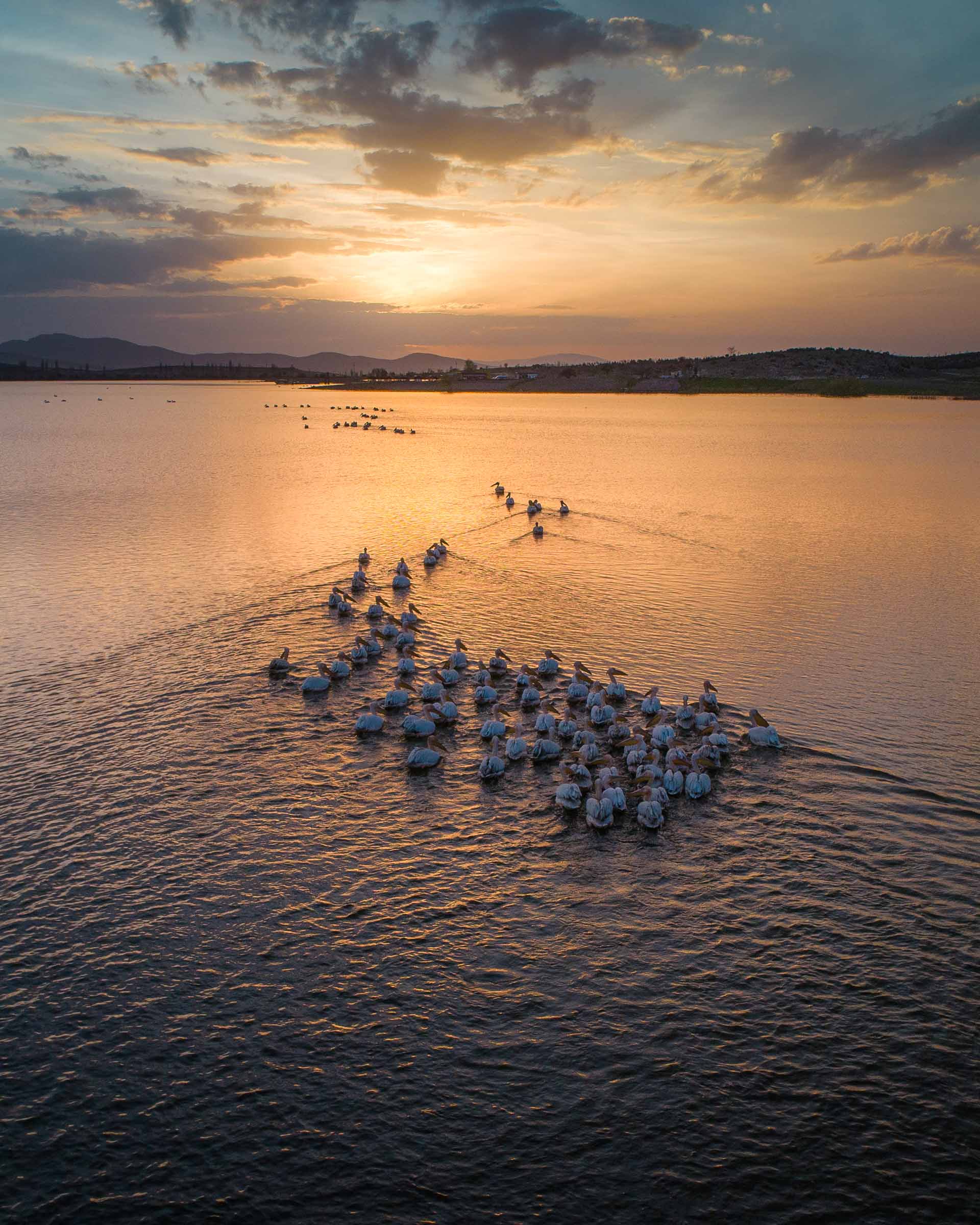
A large shallow lake between Afyon and Konya, near Bolvadin, one of the bigger lakes in Turkey and an important wetland thick with reed beds. The reeds have long been harvested locally, and the lake is rich in birdlife, which makes it a quiet spot for birdwatching and photography. It is a flat, open landscape best caught in the soft light of early morning or late afternoon.

02
Gedik Ahmet Paşa Complex

Gedik Ahmet Paşa Complex

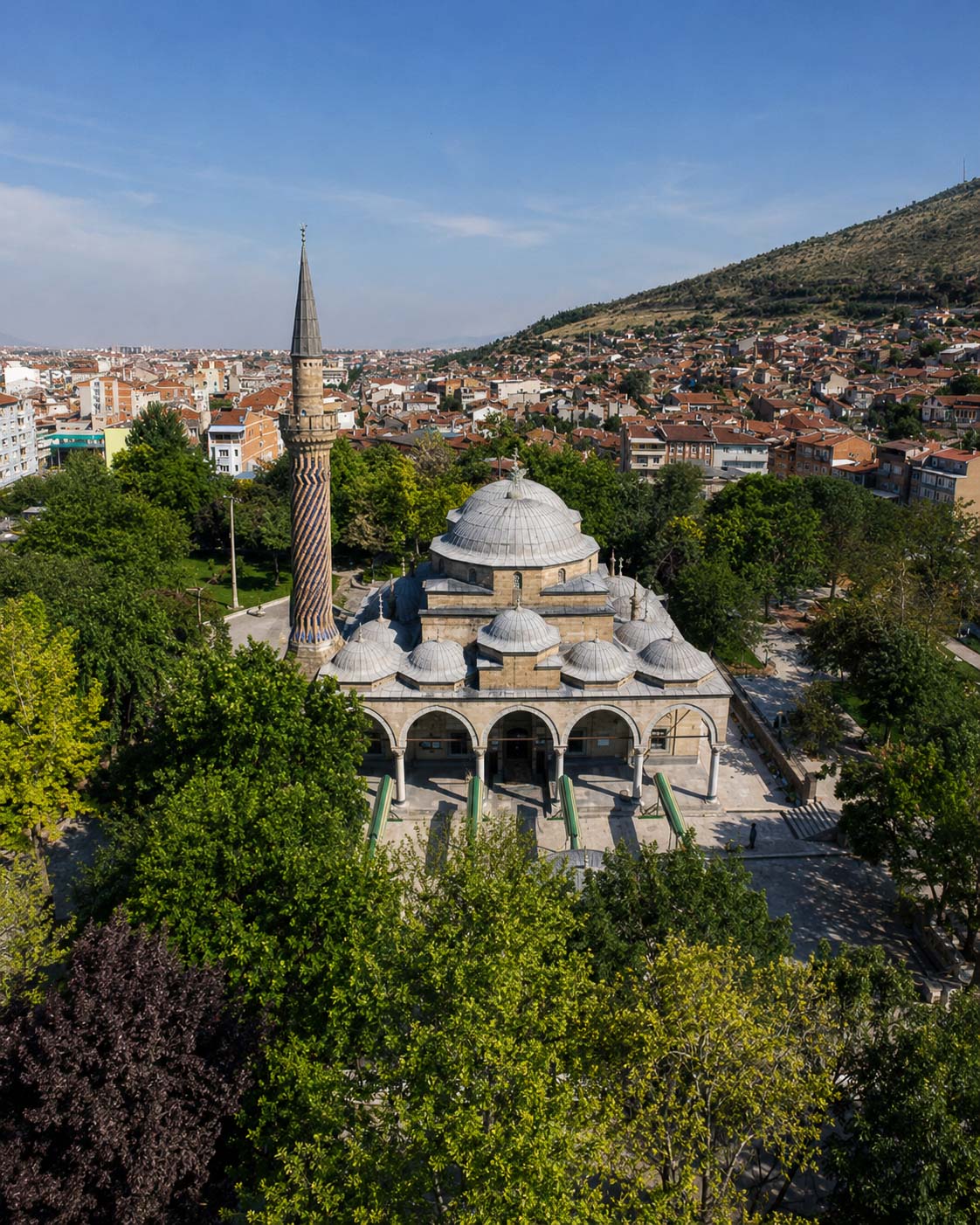
Built in 1472 by Gedik Ahmet Paşa, a vizier of Mehmed the Conqueror, and designed by the architect Ayas Ağa, this is the most important Ottoman monument in Afyon. The İmaret Mosque has an inverted-T plan with two domes and a minaret decorated in blue-glazed spiral fluting, and the complex includes a medrese and a hamam that still works. The octagonal ablution fountain has a curious acoustic effect, carrying a whisper clearly from one side to the other. It stands in the city centre, a short walk from the castle.

04
Phrygian Valley

Phrygian Valley

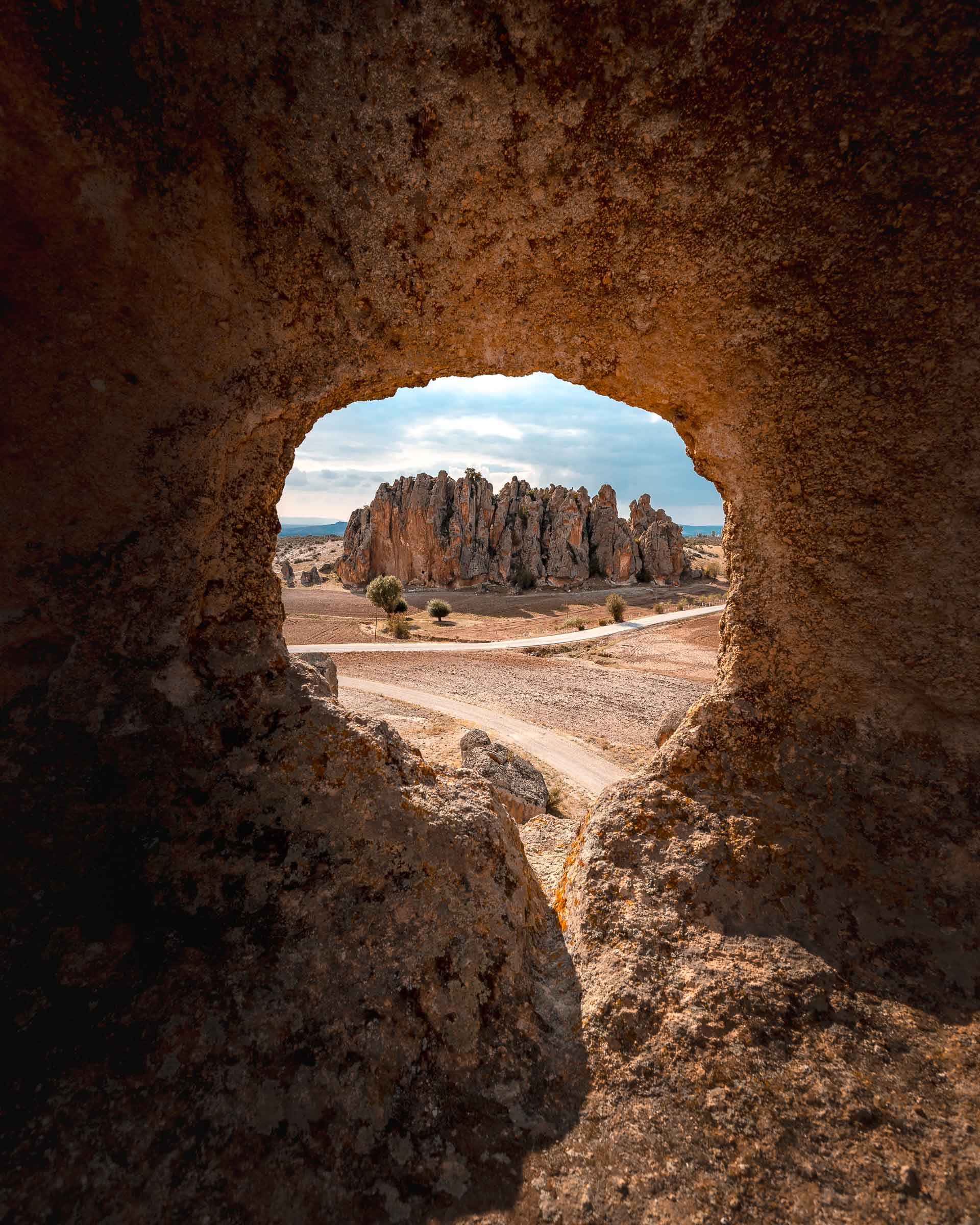
The Phrygian Valley around the İhsaniye district holds one of the richest collections of Phrygian rock monuments in Turkey, with carved facades, stepped altars and tombs cut into the soft tufa. The landscape of pale rock formations and open steppe gives the monuments an otherworldly setting, and fairy-chimney-like outcrops appear along the way. It is best visited as a full day from the city with a vehicle, ideally combined with the nearby Ayazini rock village.

06
Emre Lake

Emre Lake

A small, hidden lake near Bolvadin, ringed by carved rock formations and tufa outcrops that give it an unusual, sculptural shoreline. Much quieter and more intimate than the big plateau lakes, it is a favourite for a calm walk, a picnic and reflections on still water. The combination of the small lake and the eroded rock around it makes it a rewarding stop for photographers passing through the eastern part of the province.

08
Historic Mansion

Historic Mansions

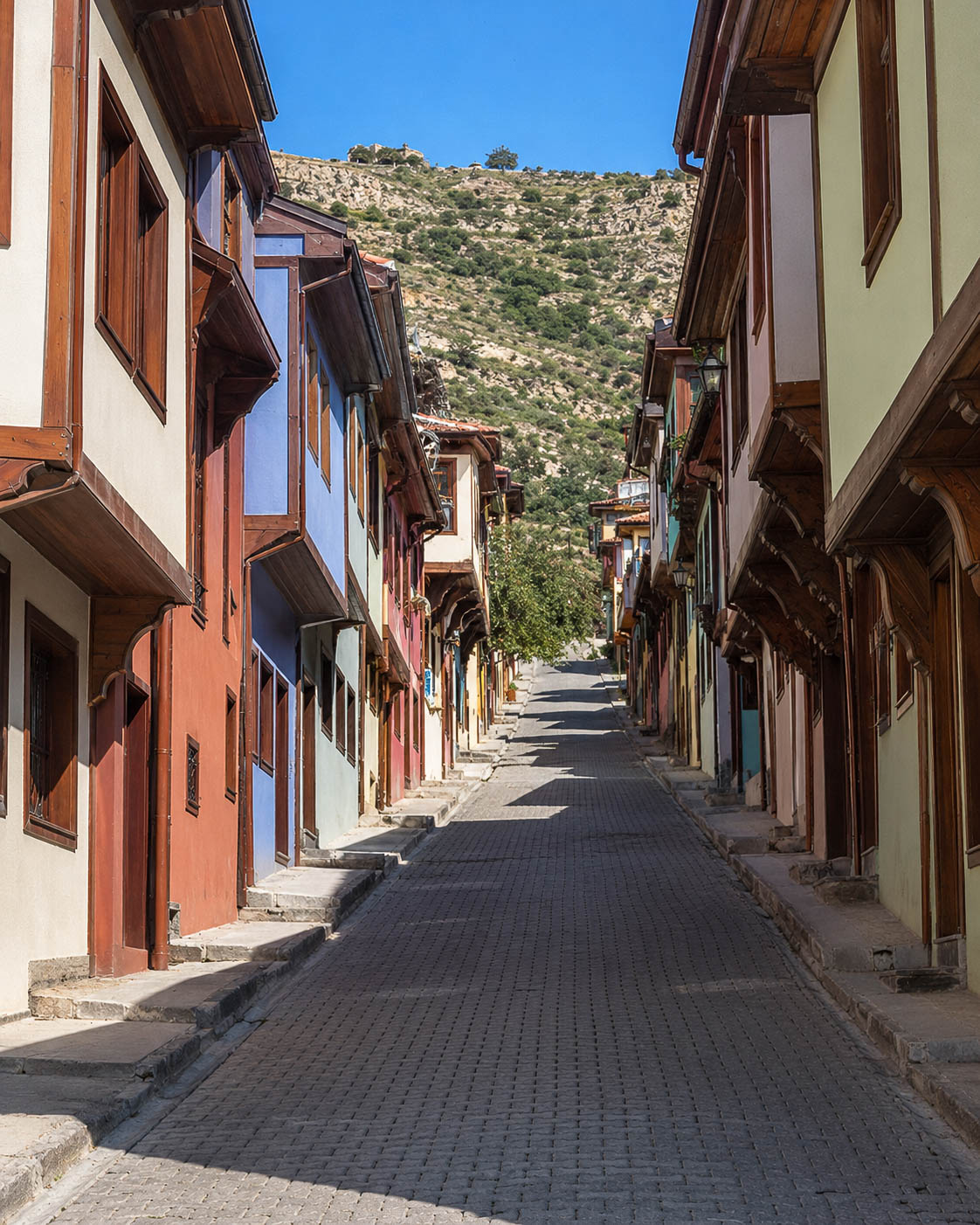
The cobbled lanes around the base of the castle hold a fine stock of surviving Ottoman timber-framed mansions, several restored as museums, guesthouses and cafes. One of them houses the Victory Museum, recording the Great Offensive of 1922 launched from nearby Kocatepe, with rooms set aside for Atatürk and his commanders. The quarter rewards slow wandering on foot, with antique shops and tea houses tucked between the old houses.

Next · Food and Cuisine ↓ continue reading
Anatolian Table

Food and Cuisine

Afyon has two foods with genuine national standing: kaymak and sucuk. The kaymak here - slow-skimmed buffalo cream, thick and slightly yellow - is a different product from what is sold under the same name elsewhere in Turkey. The sucuk has a protected geographical indication. These two alone justify a stop. The broader food culture is Central Anatolian: lamb, legumes, flatbreads from wood-fired ovens, and a straightforward breakfast culture that takes these ingredients seriously.

The Signature
Afyon Kaymak

The defining food of Afyonkarahisar, made from the slow-skimmed cream of water buffalo milk. The buffalo graze on the mineral-rich highland pastures around the city and their milk produces a cream denser, richer and more complex in flavour than the cow-milk kaymak found elsewhere. It is served on warm lokma (fried dough) drizzled with honey, or spread thick on fresh bread at breakfast. The dedicated kaymak houses around the city serve it from the morning until it sells out. Order it with the simplest accompaniments.

Protected Origin
Afyon Sucuk

A dry-cured spiced sausage with a Protected Geographical Indication, made from a blend of beef and lamb with cumin, garlic and black pepper in ratios specific to this region. The curing process and the local climate produce a sucuk with a firmer texture and more pronounced spice than commercial alternatives. Sold throughout Turkey but genuinely different when bought from producers in Afyon. Best eaten pan-fried and served with eggs and fresh bread at breakfast, or sliced cold as a meze.

Central Anatolia
Afyon Tandır Kebabı

Lamb slow-cooked in a sealed clay pit oven - the tandır - until the meat separates from the bone without effort. The technique is Central Anatolian and Afyon's version uses plateau lamb with a higher fat content that keeps the meat moist through the long cooking time. The result is rich, falling apart and deeply flavoured. Served with flatbread, roasted vegetables and plain yogurt. Found at the traditional lokantas in the city centre and in the older bazaar area. Order at lunch when it has been cooking since early morning.

Regional Classic
Haşhaş Ekmeği

Poppy seed bread, a logical product of the region that has historically been one of the world's largest producers of pharmaceutical opium poppies. The seeds - which carry no narcotic content - give a nutty, slightly bitter flavour to flatbreads and simit-style rings. Sold at bakeries throughout the city and at the bazaar. Afyon province remains Turkey's largest producer of legally cultivated opium poppies for the pharmaceutical industry, a fact the city wears without embarrassment - it is in the name.

Classical Dessert
Ekmek Kadayıfı

A disc of dried bread-like dough soaked in light sugar syrup and served with a thick spoonful of Afyon kaymak on top. The texture is the point: the kadayıf is firm at first, then yielding under the syrup, while the kaymak melts slowly against the warmth of the dessert. Afyon's version is considered the definitive one in Turkey, made with locally-produced kaymak from grass-fed water buffalo and cows. Order it at İkbal Lokantası or any of the historic dessert houses near the city centre. The classic finish to an Afyon meal.

Ceremonial Dish
Keşkek

Wheat and lamb pounded together for hours over low heat until the grain breaks down and the meat shreds into a thick, savoury porridge. A wedding and celebration food across central Anatolia, but Afyon and the surrounding villages still cook it in copper cauldrons for festivals and Friday lunches. Finished with melted butter, paprika and a sprinkle of cumin. The texture is the test - it should be smooth but not pasty, with the wheat visible but tender.

Where to Eat

Top Restaurants in Afyonkarahisar

The sucuk doner houses and kaymak shops are the main draw, clustered around Milli Egemenlik Caddesi below the castle. For a full meal, the meat institutions and the old lokantas in the bazaar area are the most reliable.

Tarihi Salim Usta
★★★★★ 4.5 (8,100+ reviews)

An Afyon institution since 1934 in the Uzun Carsi at the heart of downtown, serving traditional Anatolian cooking made fresh on the spot. Keskek, etli ekmek asi and the asci tabagi mixed plate are the dishes to order, finished with sahlep dusted with cinnamon. The reference point for the city's own kitchen.

Keskek, etli ekmek asi, sahlep
Asci Bacaksiz
★★★★★ 4.5 (4,300+ reviews)

A five-generation single-dish house serving only slow-cooked lamb tandir: meat that takes three days from slaughter to plate, with rice, bread soaked in the broth and a whole raw onion on the side. Expect a queue and a buffalo-cream dessert to finish. One of the best meals in the city, lunch only.

Lamb tandir, single-dish lunch
Musakka Restaurant
★★★★★ 4.5 (2,700+ reviews)

A warm family-run kitchen in the centre serving a wide range of traditional Afyon dishes, run by an owner-chef proud of the local heritage. Reasonably priced and consistently praised by visitors for both the food and the hospitality. A dependable choice for a proper sit-down meal.

Traditional Afyon dishes
Afyon Gamze Sucuk Doner
★★★★★ 4.7 (11,000+ reviews)

The busiest name in town for Afyon's signature sucuk doner, the local sausage shaved off the spit and served in bread. Homemade ayran with buffalo cream and kaymakli lokum round out the order. Central, fast and reliably good, the obvious stop to taste the dish the city is built on.

Sucuk doner, ayran, kaymak
Et-Raf Restaurant
★★★★ 4.1 (1,300+ reviews)

A meat-focused family restaurant on Ataturk Bulvari, spacious and suited to a longer table. Grills are the strength, with the Adana kebap singled out by regulars, alongside the standard mezes. A comfortable, unfussy choice when you want a full grill house rather than a quick doner.

Grills, Adana kebap
Hidayet Abinin Yeri
★★★★ 4.3 (1,000+ reviews)

A tiny dessert spot in the centre for the thing Afyon is most famous for: ekmek kadayifi and bread pudding crowned with thick buffalo kaymak. A couple of tables only and worth the squeeze. The cherry bread pudding with cream is the order, and they will pack kaymak for the road.

Ekmek kadayifi, kaymak, bread pudding
On the Ground

Activities and Experiences

01
Climb the Castle at Dawn

The climb to Afyonkarahisar Castle takes about 25 to 30 minutes up a long, steep stone staircase of several hundred steps. Starting before sunrise means arriving at the summit as the plateau catches the first light - the view across the flat Anatolian landscape in every direction at that hour is the best argument for visiting Afyon at all. The castle is free to enter and never crowded in the early morning. Bring water and wear shoes with grip. The descent is harder than the ascent on the knees.

02
A Day at a Thermal Resort

Afyon's 5-star thermal hotels at Ömer and Gazlıgöl offer day-use access to pools and spa facilities for a set fee, typically between 300 and 600 TL. The thermal water at these springs is genuinely mineral-rich and the effect after three or four hours in the pools is perceptible. Most hotels have both indoor pools at a consistent 38 degrees and outdoor pools that vary. Weekdays are significantly quieter than weekends. Book day-use in advance during summer months. The experience is markedly different from standard hotel pools.

03
Old Quarter and Bazaar Walk

The cobbled lanes around the base of the castle rock hold the city's historic character: the Ulu Cami, the Gedik Ahmet Pasha Complex with its working hamam, the Mevlevi Lodge museum, and a concentration of Ottoman timber-framed houses. The covered bazaar nearby sells Afyon sucuk, dried herbs, marble products and locally made textiles. Allow two to three hours to walk slowly through this area, stopping at a tea house in a courtyard when one presents itself. The neighborhood is compact and walkable from the castle base.

Day Trips from Afyonkarahisar

120 km south, about 1 hr 30 min
Pamukkale and Hierapolis

The white travertine terraces of Pamukkale and the Greco-Roman city of Hierapolis above them are a viable day trip from Afyon on the D565 south. The drive through the Meander Valley is straightforward. Arrive at the South Gate before 08:00, walk the terraces early, then explore Hierapolis with its theater and necropolis before the heat peaks. The Hierapolis Archaeology Museum is included in the entry ticket. Return to Afyon in the early evening. A long but manageable day.

55 km northwest, about 1 hr
Phrygian Valley

The Phrygian Valley in the Ihsaniye district, 35 km north of Afyon, is a landscape of volcanic rock formations - fairy chimneys, carved rock churches, Phrygian tombs and early Christian cave dwellings - that rival Cappadocia in geological character while receiving a fraction of the visitors. The Yazılıkaya Phrygian monument, Aslankaya relief and the rock-cut valley settlements are the highlights. A half-day circuit by car from Afyon city centre covers the main sites. Rarely visited by foreign tourists.