Dardanelles Strait · Turkiye

Canakkale

Where Troy, Gallipoli and the Dardanelles converge

Scroll
RegionMarmaraDardanelles Strait
Best SeasonApr to OctMild, good for all sites
Known ForTroy and GallipoliUNESCO site, WWI battlefields
AirportÇanakkale (CKZ)3 km from the city centre
Why Visit

Canakkale

A city at the narrowest point of the Dardanelles, where ferries have crossed for thousands of years between the legends of Troy and the battlefields of Gallipoli.

The strait connecting the Aegean to the Sea of Marmara is barely a kilometre wide here, and from either bank you can see the opposite shore and its castle. Thirty kilometres south lies ancient Troy, settled for 4,000 years, rebuilt nine times and on the UNESCO list since 1998. The ruins are not the most spectacular in Turkey, but the weight of the ground and the excellent on-site museum make the visit matter.

Across the water, the Gallipoli Peninsula holds the cemeteries and memorials of the 1915 campaign, a place that draws visitors from Australia, New Zealand, Britain and Turkey alike. The events of 1915 remain deeply present in the national memory, and the battlefields are interpreted with unusual even-handedness. Between the two, Canakkale itself is an easy, walkable waterfront town with good fish and a young university crowd.

Places to Visit in Canakkale · Eight Anchors

Where you actually go in Canakkale.

Eight places worth your time. Tap a photograph, the map will follow.

01
Troy UNESCO Site

Troy UNESCO Site

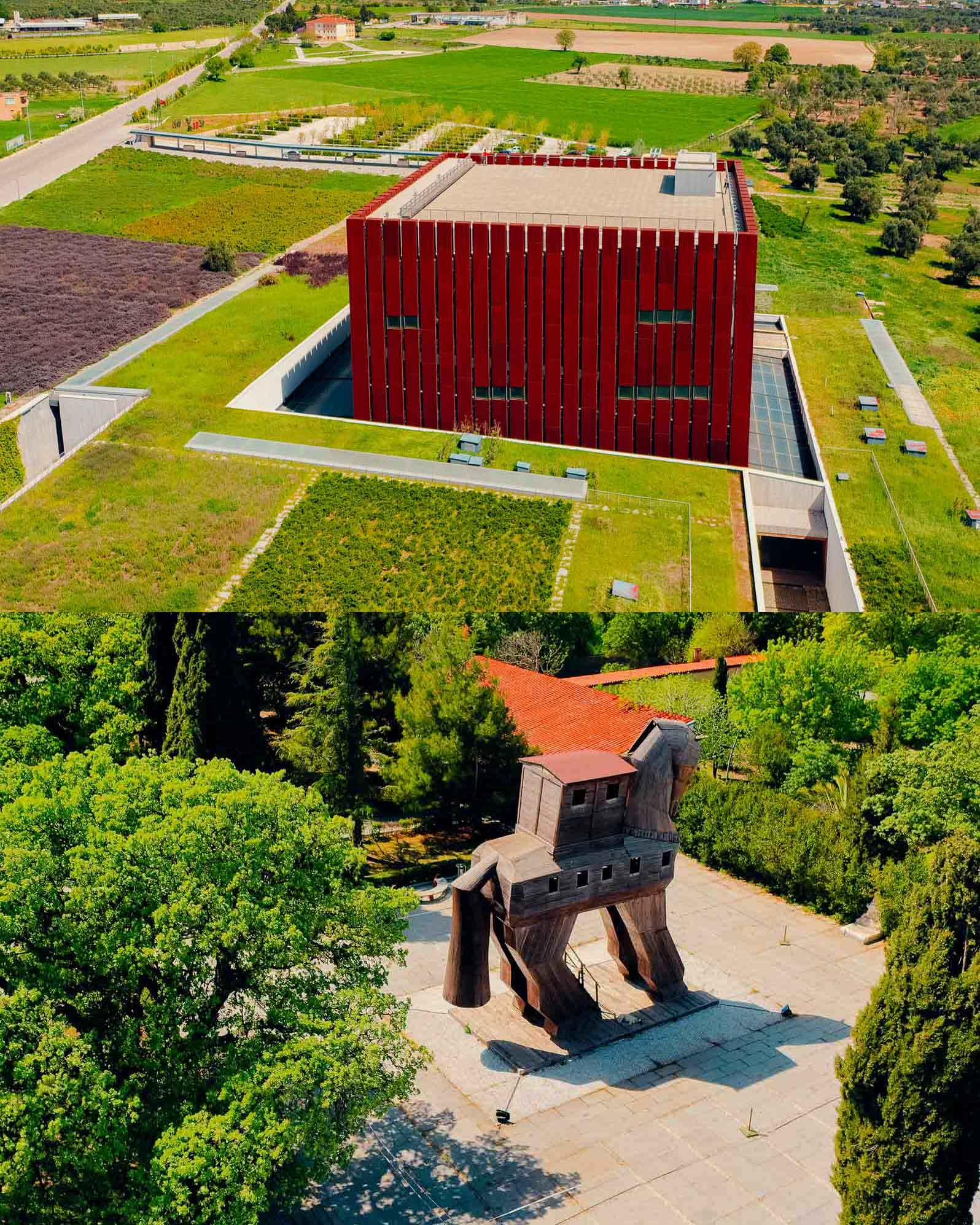
Ancient Troy sits on a hill 30 km south of Canakkale city centre, inhabited continuously from around 3,000 BC to 500 AD. Nine distinct city layers have been excavated here. The 2018 museum on site is genuinely excellent and provides the archaeological context that the ruins alone cannot supply. Go in the morning and allow three hours minimum. The Trojan Horse replica at the entrance is a crowd-pleaser, but the massive sloping walls of Troy VI, the Late Bronze Age city of around 1700 to 1300 BC, are the real thing.
03
Kilitbahir Castle

Kilitbahir Castle

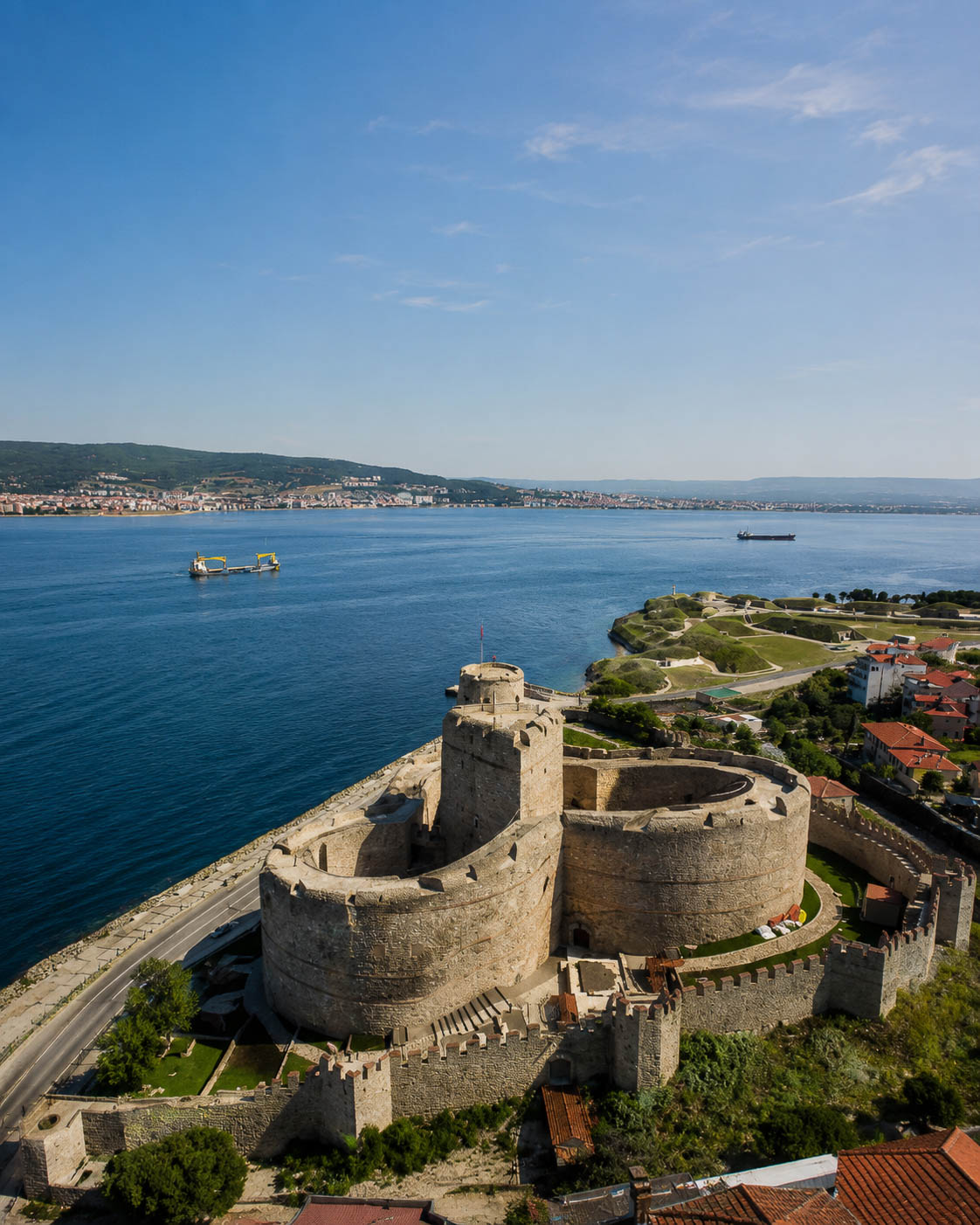
Built by Sultan Mehmed II in 1463 to control the narrowest point of the Dardanelles, this Ottoman fortress on the European shore has an unusual clover-leaf plan and a seven-storey inner tower. Its name means "lock of the sea." The ferry from Canakkale takes 15 minutes and costs almost nothing. The castle and the small village around it are worth two hours. The view back across the strait to Canakkale from the castle walls is excellent.

05
Assos Ancient City

Assos Ancient City

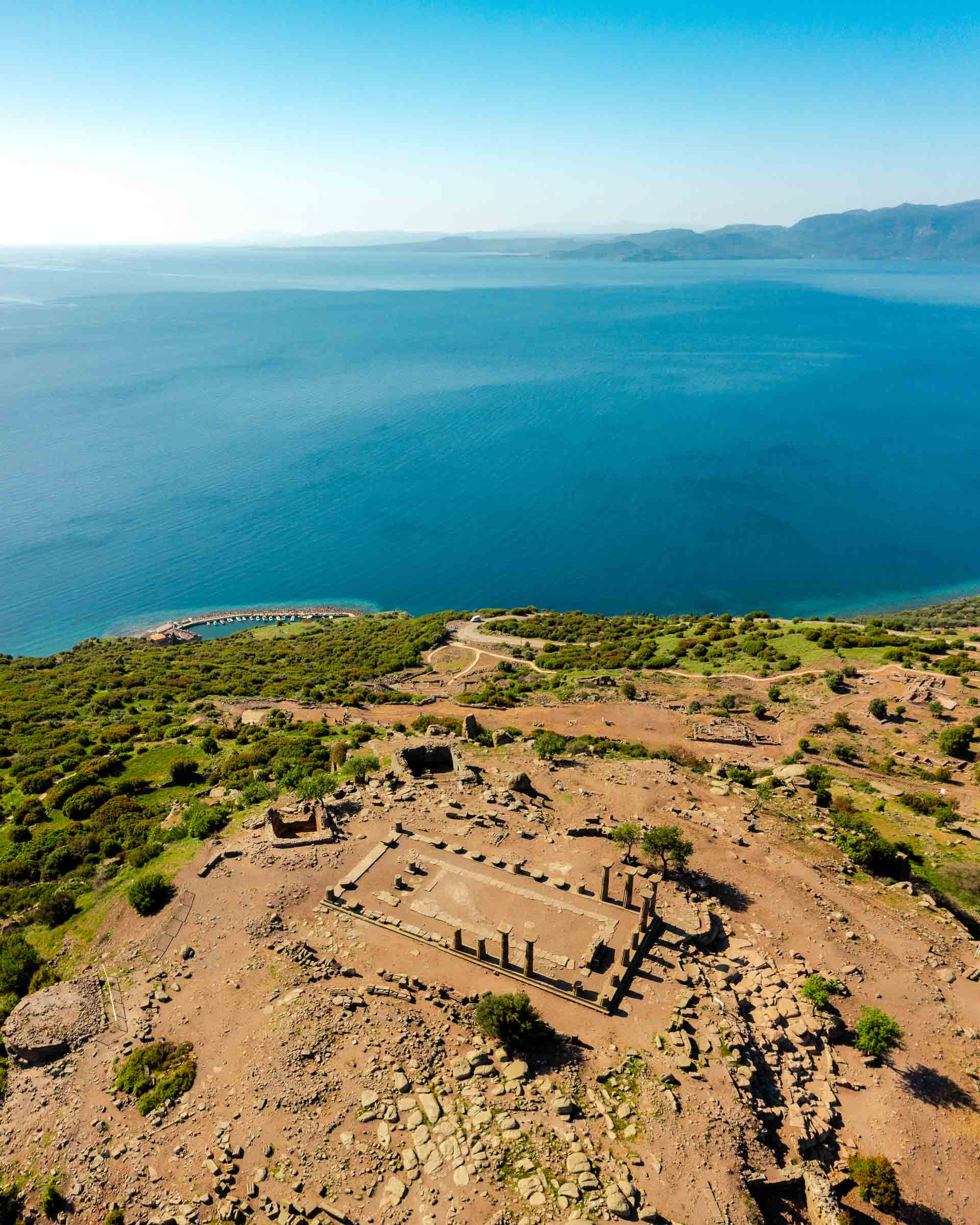
About 85 km south of Canakkale, the ancient city of Assos sits on a volcanic plug above the Aegean. Aristotle taught philosophy here for three years before founding his school in Athens. The Temple of Athena, built in the 6th century BC, stands at the summit with views across the water to the Greek island of Lesbos. The village of Behramkale below has stone houses, a small harbour and several good restaurants. Best visited as a full-day trip from Canakkale.

07
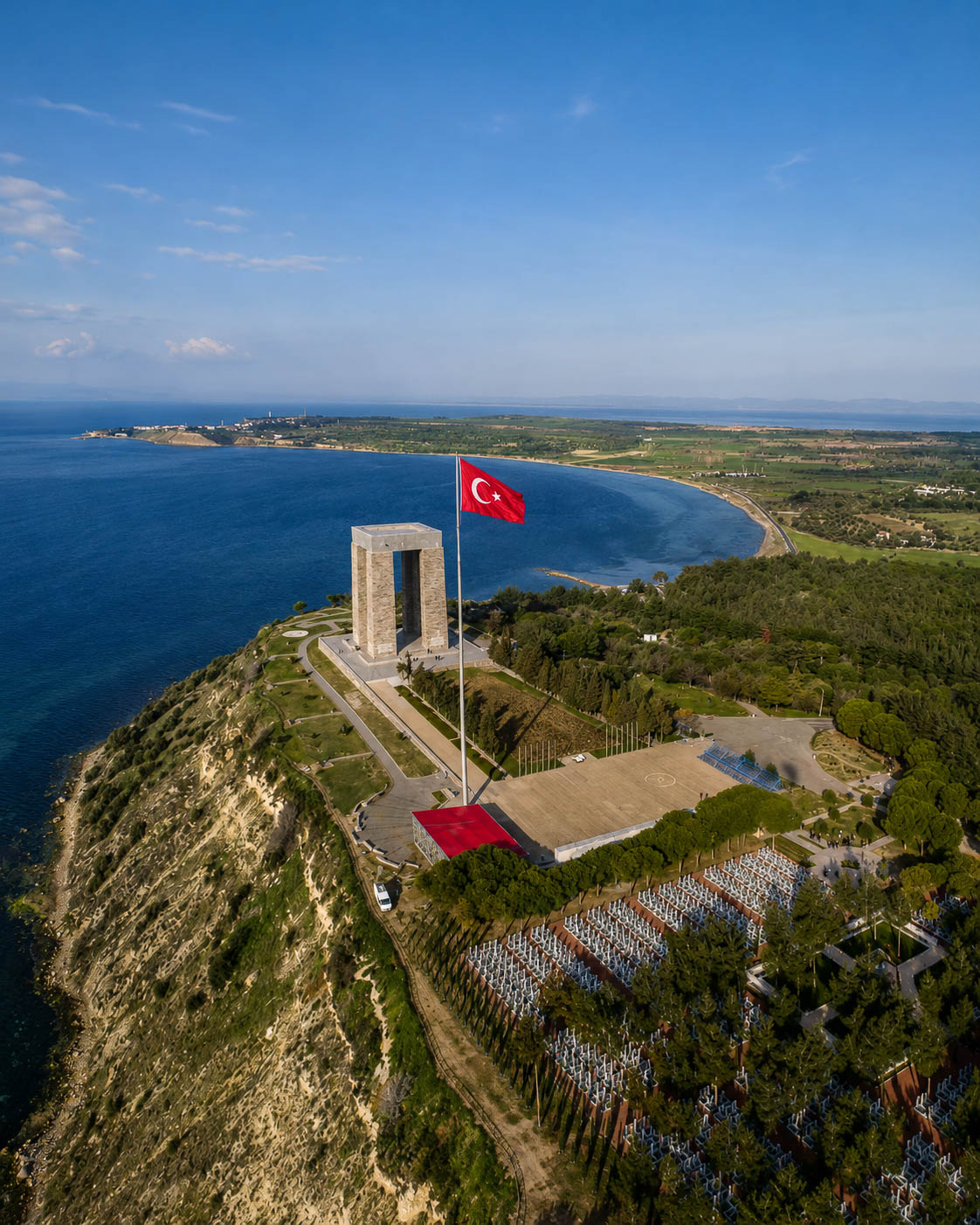
Çanakkale Şehitleri Abidesi

Çanakkale Şehitleri Abidesi

The Çanakkale Martyrs' Memorial on the Gallipoli Peninsula is the largest war memorial in Turkey, commemorating the Ottoman soldiers who died in the 1915 Dardanelles Campaign. The memorial stands on Hisarlık Hill above Morto Bay, near the southern tip of the peninsula, visible from the Dardanelles Strait. The surrounding landscape of pine-covered ridges and sea views gives the site a character beyond its formal purpose.

02
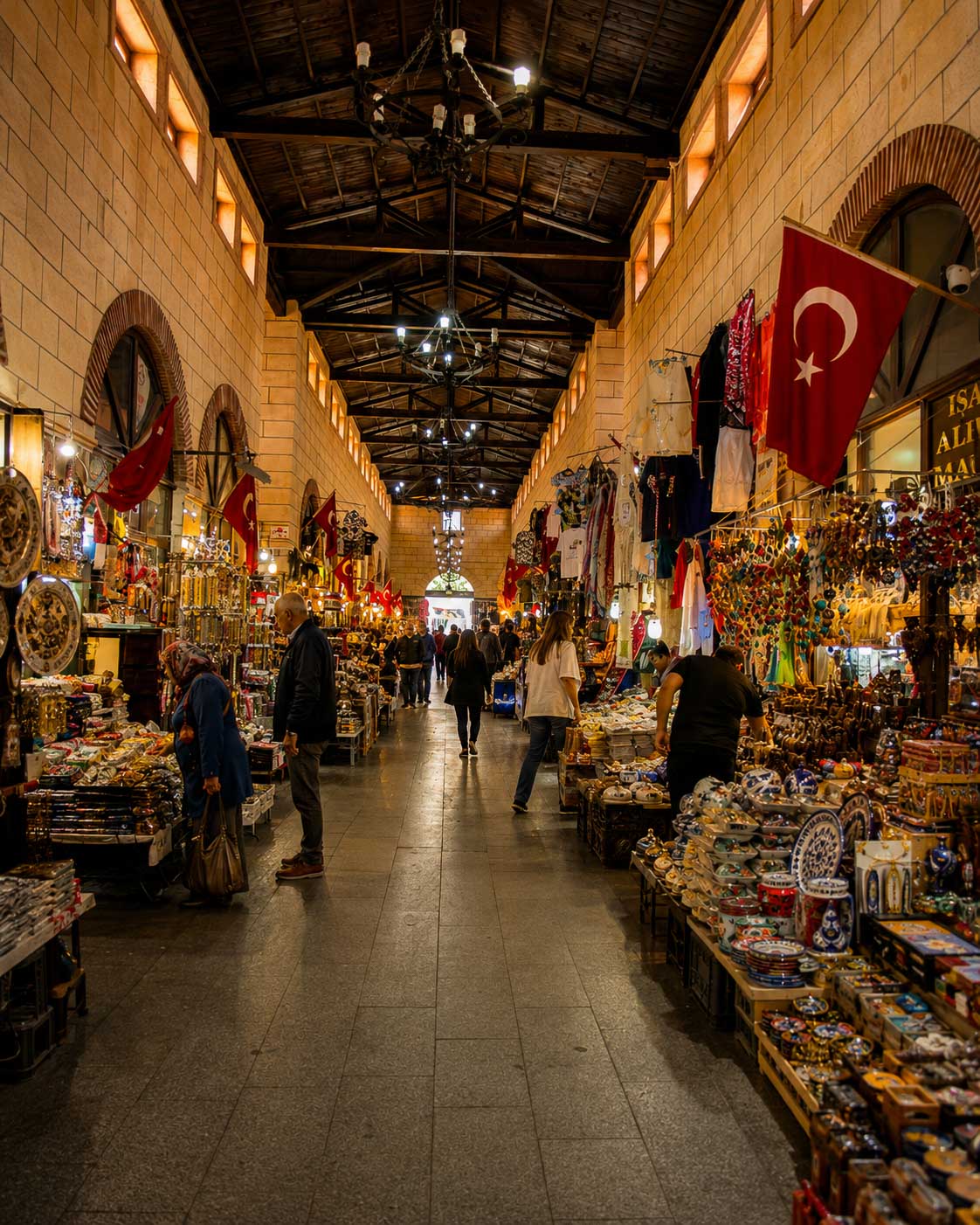
Aynali Bazaar

Aynali Carsi

A historic covered bazaar in the centre of Canakkale, a short walk back from the waterfront. Built in the 19th century and rebuilt after the 1915 shelling, the arcade is full of small shops selling the famous Canakkale ceramics, the lucky glass eye beads made nearby, local cheese and dried goods. An easy, atmospheric wander between the ferry and the clock tower, and the place to pick up something to take home.

04
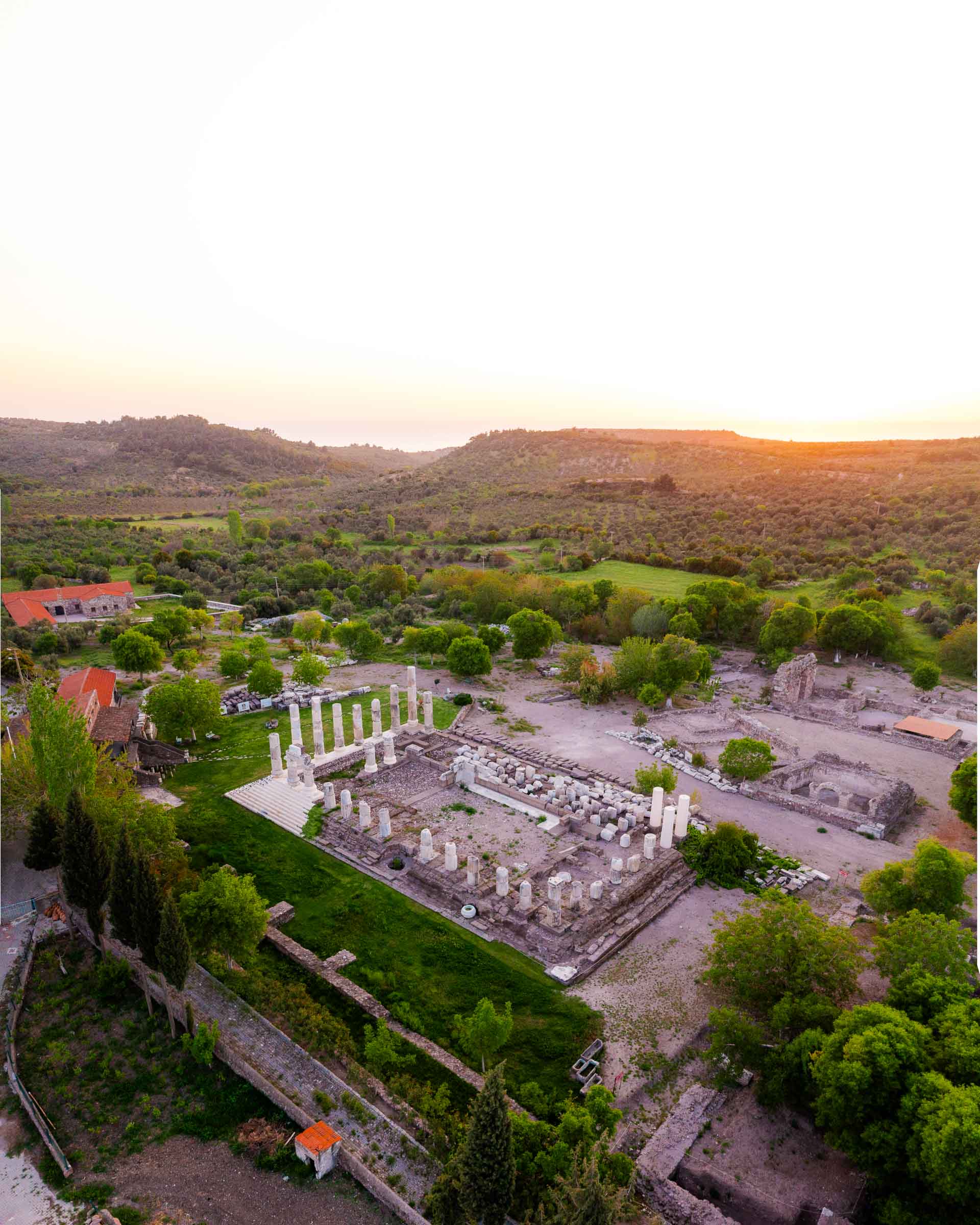
Apollon Smintheion Temple

Apollon Smintheion Temple

A Hellenistic temple to Apollo Smintheus near Gulpinar in the Ayvacik district, southwest of the city. The god was worshipped here in his unusual form as lord of the mice, and the temple is mentioned in the opening of the Iliad. The ruins sit in a quiet rural setting with a small site museum, the standing columns and the sacred spring giving a real sense of an ancient cult centre well off the tourist track.

06
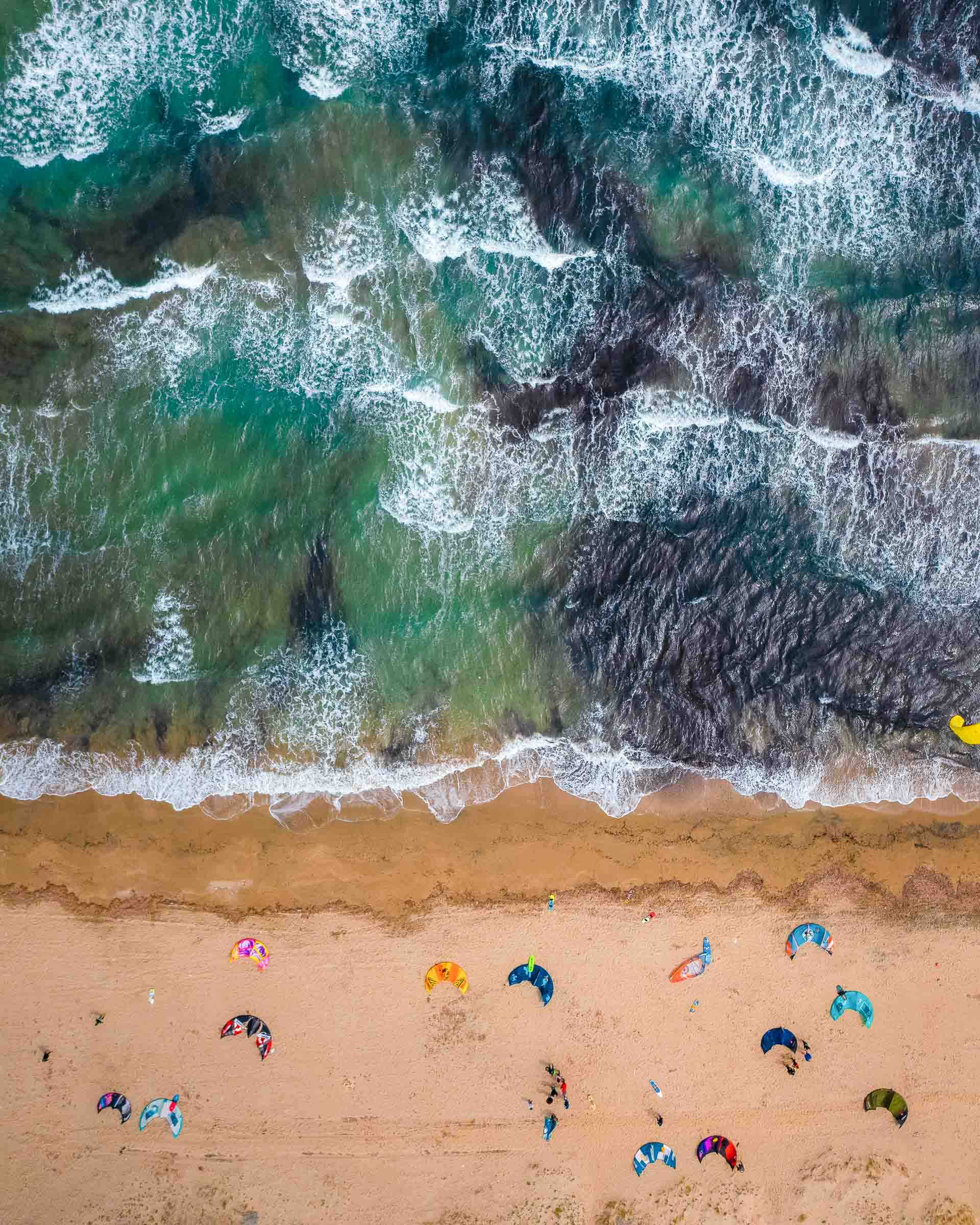
Gokceada windsurfing

Gokceada

Turkey's largest island, reached by ferry from Kabatepe, and one of the best windsurfing spots in the country. The steady summer winds at Aydincik beach draw surfers from across Turkey, with boards and lessons easy to find right on the bay, and the long shallow shore makes it a good place to learn as well. Beyond the wind, the island has Turkey's first underwater national park for diving and snorkelling, quiet beaches, old Greek villages and organic farms. Worth an overnight rather than a rushed day trip.

08
Bozcaada

Bozcaada

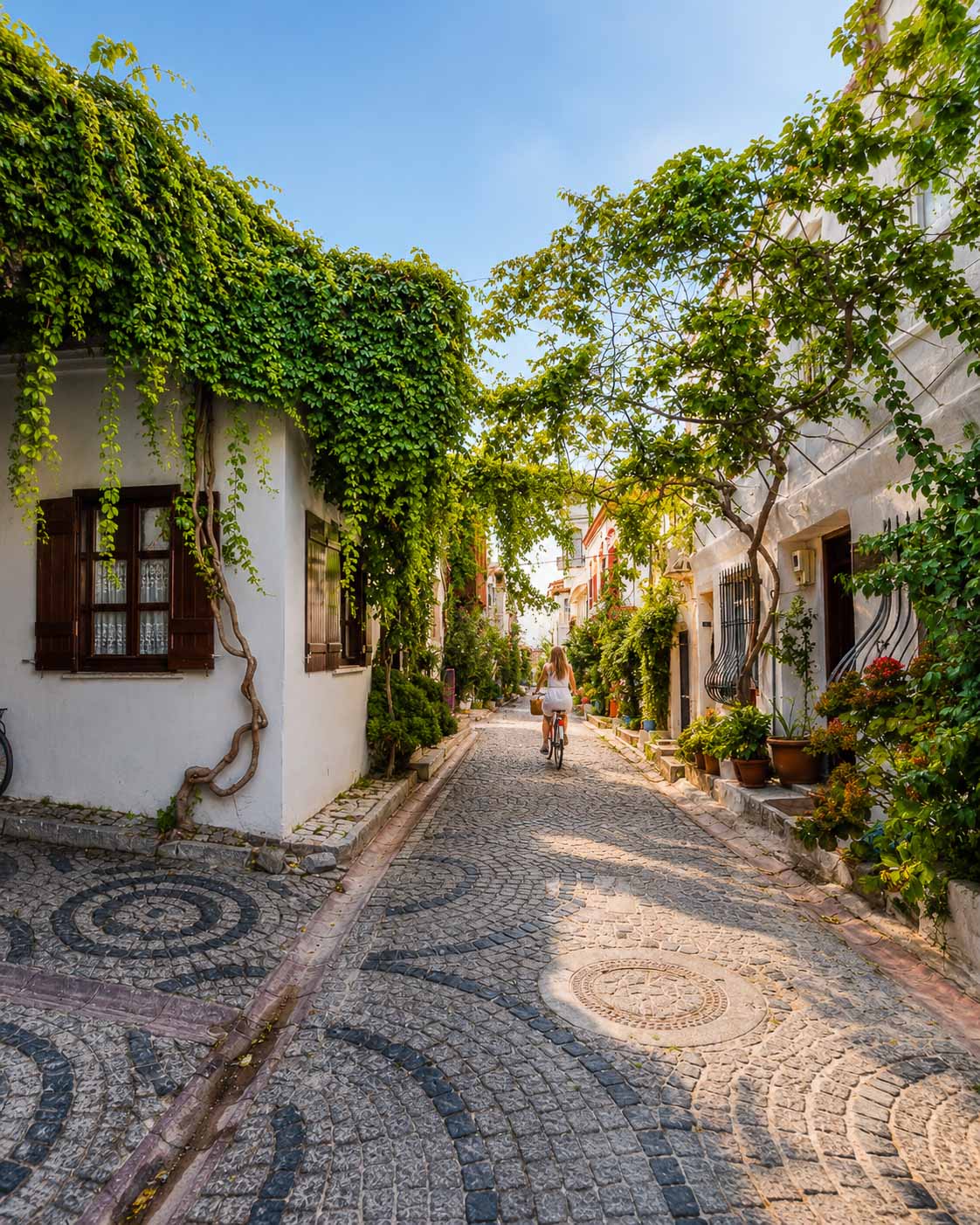
A small Aegean island accessible by ferry from Geyikli (35 minutes), with a Venetian-Ottoman castle, a village of whitewashed houses with colourful window frames, vineyards producing the island's distinctive wines, and clean beaches on the southern shore. The island's Greek Orthodox heritage is visible in its architecture and street layout. A two-day visit is ideal; day trips are possible from Çanakkale.

Next · Food and Cuisine ↓ continue reading
Dardanelles Table

Food and Cuisine

Canakkale has a food culture built around the Dardanelles and the Aegean coast. The strait produces fish in variety and quality. Ezine cheese, made from sheep and goat milk in the Ezine district, has PDO status and is one of the most distinctive cheeses in the country. The breakfast culture here is good, the mezes are honest, and the fish restaurants along the waterfront set a reliable standard.

PDO Cheese
Ezine PDO Cheese

Protected Designation of Origin cheese from the Ezine district of Canakkale province, made from sheep, goat and cow milk in varying proportions. The Ezine white cheese is creamier and less salty than standard Turkish beyaz peynir, with a distinctive flavour from the local pastures on the slopes of Kaz Mountain. It is sold throughout the province and is the correct choice for the local breakfast table. Buy a block at the bazaar rather than the vacuum-packed version.

Morning Table
Çanakkale breakfast

A proper Canakkale breakfast centres on Ezine cheese, local olives from the Aegean olive groves, fresh tomatoes, cucumbers, eggs and honey from the Kaz Mountain foothills. It is generous and unhurried. Served with tea in the standard tulip glass. Many guesthouses in the city prepare it with genuinely local produce, which makes it noticeably better than the generic Turkish hotel breakfast found elsewhere.

Olive Oil Dishes
Zeytinyagli Vegetables

The Canakkale and wider Aegean table leans heavily on vegetables cooked slowly in local olive oil and served cold: artichokes with dill and lemon, green beans, stuffed vine leaves and seasonal greens from the surrounding farms. The meze spread at the fish restaurants is broad and olive-oil-based, and worth ordering in quantity and lingering over rather than rushing to the main course.

Aegean Fish
Sardalya

The Çanakkale strait produces some of the better sardines in Turkish waters, with the late summer and autumn season delivering fish of an oil content that suits grilling. Cleaned, salted briefly, and cooked over charcoal until the skin chars. Eaten whole with raw onion, rocket and lemon. The fish restaurants along the Çanakkale waterfront and on Bozcaada list them in season - if they are on the menu and properly fresh, they are the right order.

Aegean Preserve
Domates Reçeli

Small green tomatoes preserved whole in light sugar syrup with cloves and sometimes lemon zest - a Çanakkale and broader north Aegean speciality, served as part of the regional breakfast table alongside cheese, olives and bread. The texture is firm, the sweetness restrained, with a vegetal note that distinguishes it from fruit jams. Made domestically and sold at the village markets in Bozcaada, Gökçeada and Ezine. A reliable kitchen souvenir from the region.

Hot Cheese Sweet
Peynir Helvası

A warm dessert specific to Çanakkale and parts of the Marmara region: unsalted cheese, semolina, butter and sugar cooked together over low heat until the cheese melts into stretchy threads. Served immediately, while still warm and pulled, often dusted with pistachio. The texture is what makes it - if it cools too much it loses the characteristic stretch. Listed at the traditional dessert houses around the city centre and at some of the village restaurants in Ezine and Bayramiç.

Where to Eat

Top Restaurants in Canakkale

The waterfront fish places and sardine grills in the centre, plus seafront tables out in Assos, Gokceada and the Ezine cheese country

Sardalye
★★★★ 4.4 (7,900+ reviews)

The Canakkale address for fish in bread, a small, busy spot in a historic building near the centre. Sardines, sole, whiting, mussels and calamari fried to order and served fast, with a glass of pickle juice on the side. Cheap, quick and authentic, usually with a queue out the door. The local benchmark for a fish sandwich.

Sardines and fish in bread
Yalova Restaurant
★★★★ 3.9 (2,100+ reviews)

A Canakkale institution on the waterfront since 1940, the classic spot for a proper fish dinner with a view over the Dardanelles. A long counter of warm and cold mezes, the day's catch grilled simply, and the famous oven halva to finish. Busy at weekends, so go on a weekday and ask for a table by the water.

Fish and meze
Balıkçı 286
★★★★ 4.1 (1,600+ reviews)

A large seafront fish restaurant south of the centre on Ataturk Caddesi, with plenty of parking and tables right by the water. Grilled bluefish and sea bream, a generous meze spread and a relaxed setting for a long dinner watching the strait. Good for groups and families, and open late.

Grilled fish and meze
Cevahir Ev Yemekleri
★★★★ 4.4 (1,400+ reviews)

An honest home-cooking lokanta on Fetvane Sokak in the old centre, where you pick from a counter of the day's dishes. Stews, stuffed vegetables, rice and seasonal plates cooked fresh by a local family, at very fair prices. Not a tourist spot but an everyday canteen for locals, and the place for Turkish food that is not kebab.

Home cooking
Güler Abla (Ezine)
★★★★ 3.7 (600+ reviews)

A roadside breakfast and local-produce stop in Ezine, the home of Turkey's protected Ezine cheese. A spread of homemade jams, olives, fresh cheese, bread and eggs makes the classic village breakfast, and you can buy cheese and dairy to take away. A natural stop on the road south, where the cheese on the food map actually comes from.

Ezine cheese and village breakfast
Yengeç Restaurant (Küçükkuyu)
★★★★ 4.2 (1,000+ reviews)

A seafront fish and meze restaurant down in Kucukkuyu on the Ayvacik coast, a favourite for a long Aegean dinner. Octopus, calamari and a wide meze table with the owners' own sauces, served by the water with a quiet, chic atmosphere. The natural dinner stop if you are staying around Assos.

Seafood and meze
Asos Liman (Assos)
★★★★ 4.4 (510+ reviews)

One of the small fish restaurants lining the tiny ancient harbour at Assos, where you eat fresh seafood at the water's edge below the acropolis. Simple grilled fish and mezes, reasonable prices for the setting, and resident harbour cats. The harbour is small and fills up in summer, so come early for a sunset table.

Harbour seafood
İmroz Poseidon (Gökçeada)
★★★★★ 4.6 (2,100+ reviews)

A hilltop restaurant in Kalekoy on Gokceada with one of the best sunset views in the country, looking over the Aegean towards Samothrace. Olive-oil dishes, calamari and octopus, fresh fish and the local helva for dessert. Book ahead in summer and bring a layer, as it gets windy after dark. Worth the climb for the view alone.

Island seafood with a view
On the Ground

Activities and Experiences

01
Morning at Troy

The site opens at 8am and the first hour before tour buses arrive is the best time to be there. The museum opens slightly later but is worth waiting for. Allow three hours for both the museum and the ruins. The Trojan Horse replica is at the entrance. The massive sloping walls of Troy VI, built around 1750 BC and surviving until the city was destroyed by earthquake around 1300 BC, are the most impressive structural remains on site; most modern scholars now associate the later Troy VIIa layer with the legendary war.

02
Guided Gallipoli Tour

The Gallipoli battlefields require a full day and a guide who knows the ground. Several reputable operators run small-group tours from Canakkale that cover ANZAC Cove, Lone Pine, Chunuk Bair and the Turkish memorials. The personal testimonies embedded in the landscape, including the famous order from Mustafa Kemal to his soldiers in 1915, require an interpreter who can explain both the military history and its ongoing significance to Turks and Anzacs alike.

03
Ferry to Kilitbahir

The public ferry from Canakkale to Kilitbahir runs regularly throughout the day and the crossing takes about 15 minutes. The castle and the small village on the European shore are worth a morning. Walking the castle walls gives a clear picture of why Mehmed II built here and the view across the strait to Canakkale is one of the better ones in the region. Combine it with a walk through the village and lunch at one of the small fish restaurants by the water.

Further Afield

Day Trips

85 km South, about 1 hour 30 min
Assos and Behramkale

The ancient city of Assos perches on a volcanic summit above the Aegean with Aristotle's connection and a 6th-century BC Temple of Athena at the top. The village of Behramkale below has a stone Ottoman bridge, traditional houses, a small harbour and good fish restaurants. The view from the temple across to Lesbos on a clear day is exceptional. Plan a full day and descend to the harbour for dinner before the return drive.

ferry from Geyikli, about 2 hours from Canakkale
Bozcaada Island

Turkey's third largest island sits in the northern Aegean and is known for its vineyards, Venetian and Ottoman castle, clean beaches and very quiet streets. The island produces its own wine from indigenous grape varieties and the winery visits are accessible. The ferry from Geyikli takes about 35 minutes. In July and August the island is busy. In May, June and September it is considerably more pleasant and considerably less crowded.