Aegean Region, Southwestern Turkiye

Denizli

Pamukkale. Hierapolis. Three ancient cities. One valley.

Scroll
RegionAegeanSouthwestern Anatolia
Best SeasonMar to OctSpring and autumn ideal
Known ForPamukkaleTravertines, Hierapolis, ruins
AirportÇardak (DNZ)65 km from the city centre
Why Visit

Denizli

Home to the white travertine terraces of Pamukkale and one of the highest concentrations of major ancient sites in Turkey, best seen barefoot at dawn before the crowds arrive.

Pamukkale is the headline, the most photographed natural formation in the country, and it lives up to it when you reach the pools at first light. Above the terraces sits Hierapolis, a Greco-Roman spa city with one of the best-preserved ancient theatres in the region and a vast necropolis. Below in the Lycus Valley lies Laodicea, one of the Seven Churches of Revelation, now extensively excavated.

North of the city, the Hellenistic-Roman city of Tripolis sits quietly above the Meander valley, while to the south Honaz Dagi, the highest peak in the Aegean, rises over forest and springs. Together these make a route worth two or three unhurried days. Stay in Pamukkale village at the foot of the terraces rather than in the city, for direct access at opening time.

Places to Visit in Denizli · Eight Anchors

Where you actually go in Denizli.

Eight places worth your time. Tap a photograph, the map will follow.

01
Pamukkale Travertines

Pamukkale Travertines

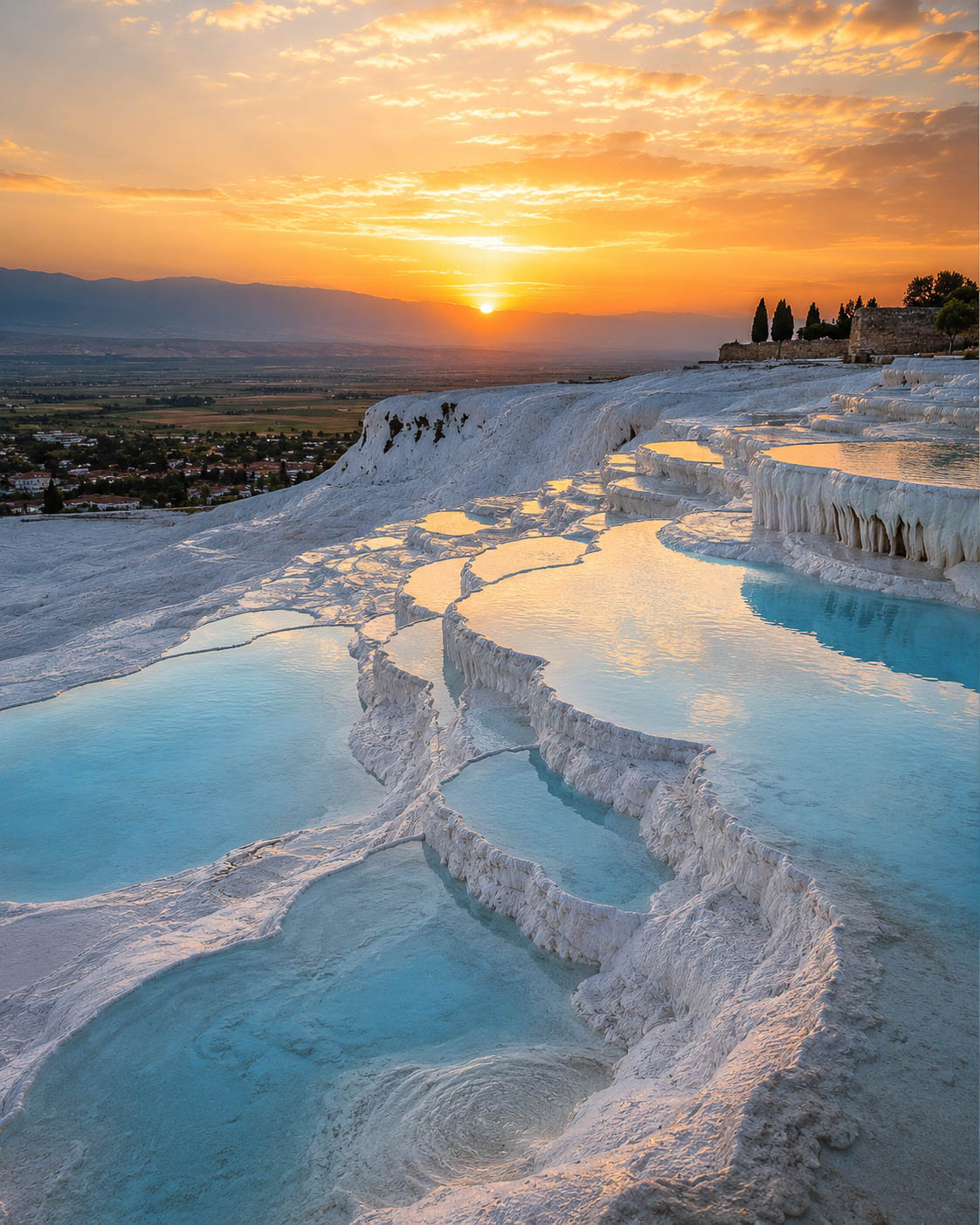
Terraces of white calcium carbonate deposited by thermal springs over millennia, with shallow turquoise pools at each level. The site is a UNESCO World Heritage Site, jointly designated with Hierapolis above. Entry is through three gates; the South Gate opens at 06:30 and is the only option for sunrise. Visitors must remove shoes before walking on the terraces. Come before 09:00 to have sections of the terraces to yourself. The upper plateau has a thermal pool at reasonable temperature year round.
03
Laodicea Ancient City

Laodicea Ancient City

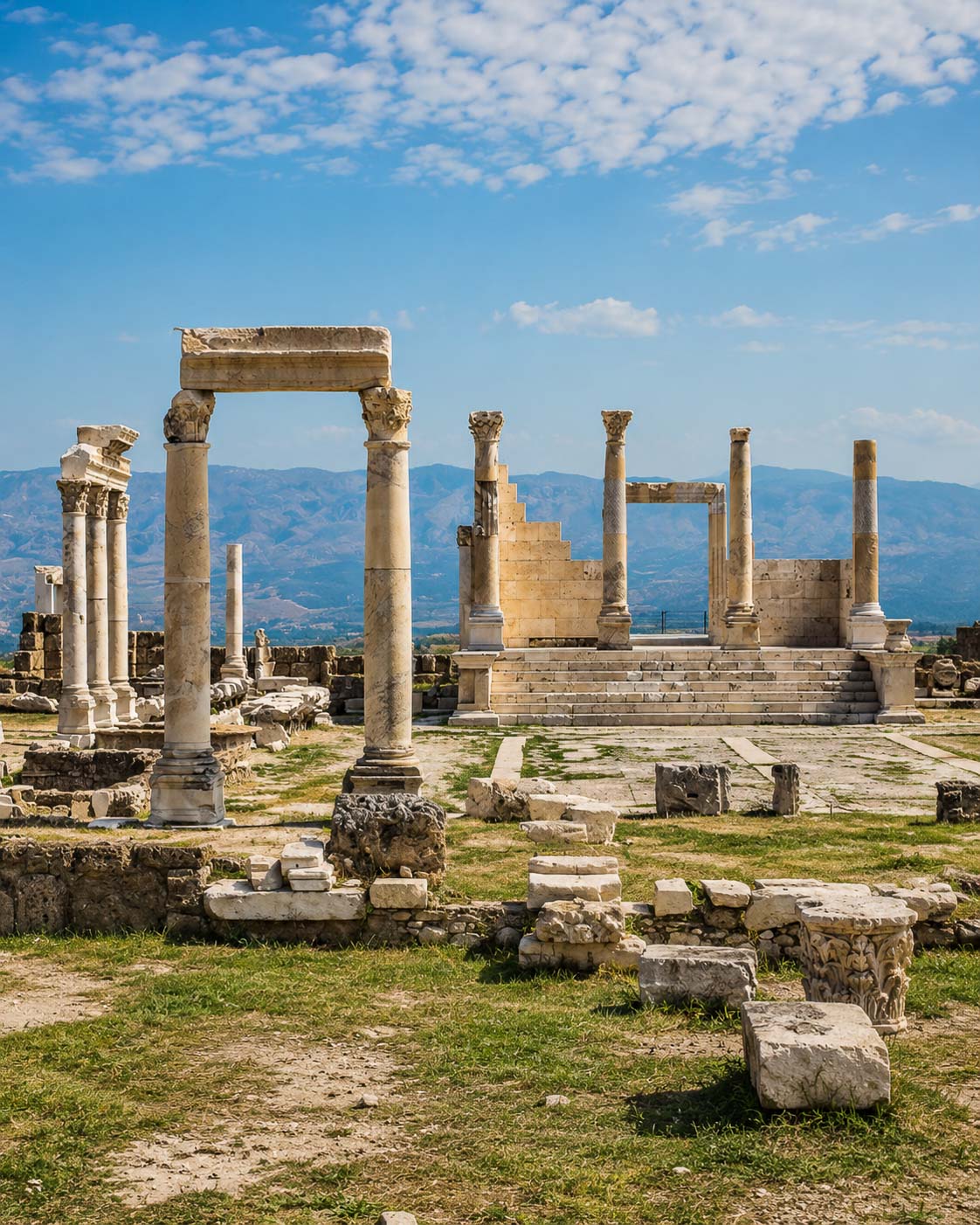
One of the Seven Churches of the Book of Revelation, Laodicea was among the wealthiest cities of Roman Asia Minor, known for its black wool trade, banking and a famous school of medicine. The excavations ongoing since 2003 have restored colonnaded streets, two theaters, the largest stadium in Anatolia, temples, nymphaea and early Christian churches to a remarkable standard. 6 km north of Denizli city centre on the Pamukkale road. Open daily. Entry is separate from Pamukkale.

05
Karahayıt Red Springs

Karahayıt Red Springs

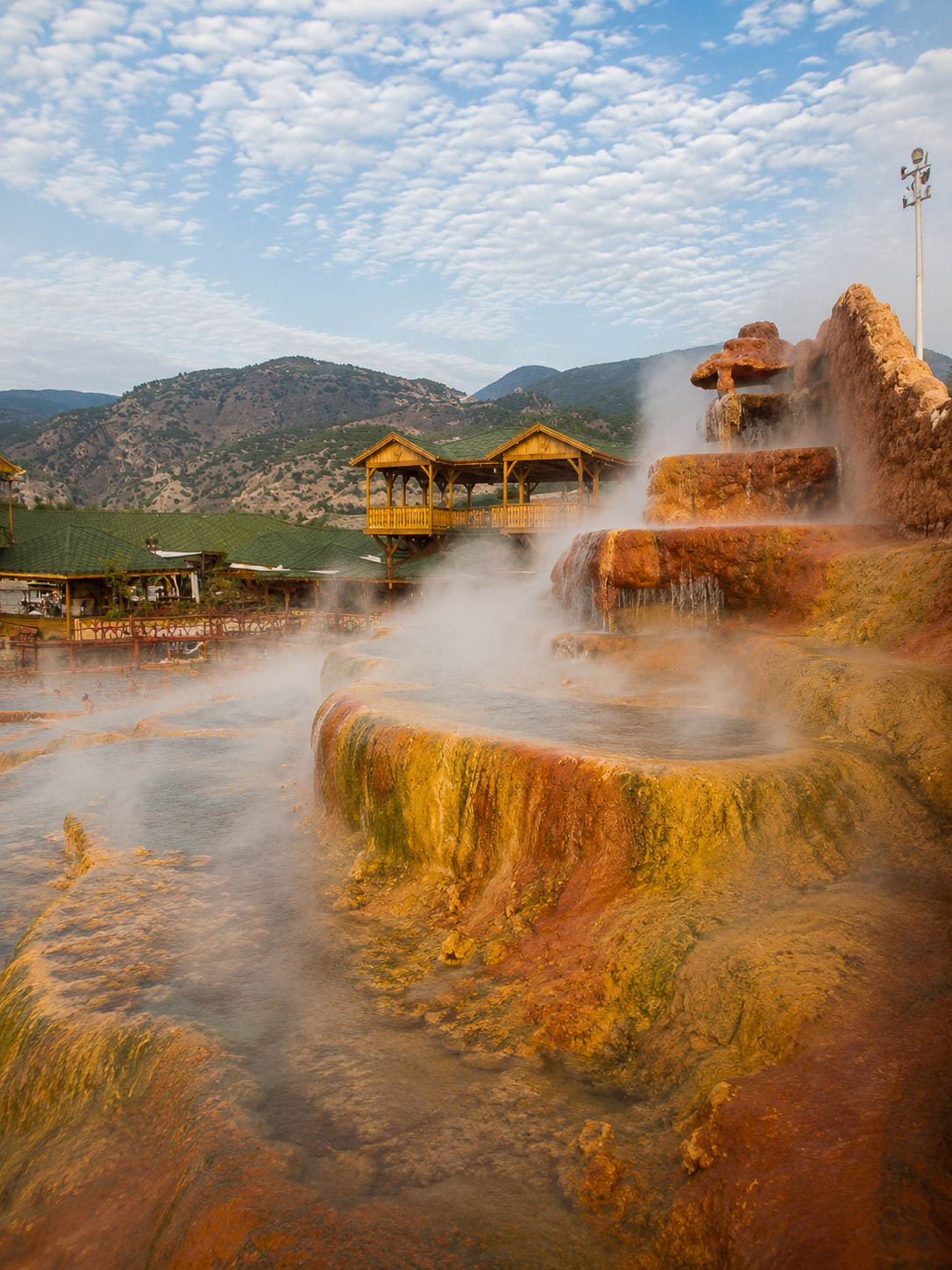
5 km north of Pamukkale, Karahayıt has its own thermal springs rich in iron oxide, which give the travertine deposits their distinctive red, orange and brown coloring - a stark contrast to Pamukkale's white. The village has several thermal hotels with outdoor pools open to non-guests for a small fee. Less visited than Pamukkale and more genuinely local in character. The mineral content of the water here is different from Pamukkale and the temperature runs higher.

07
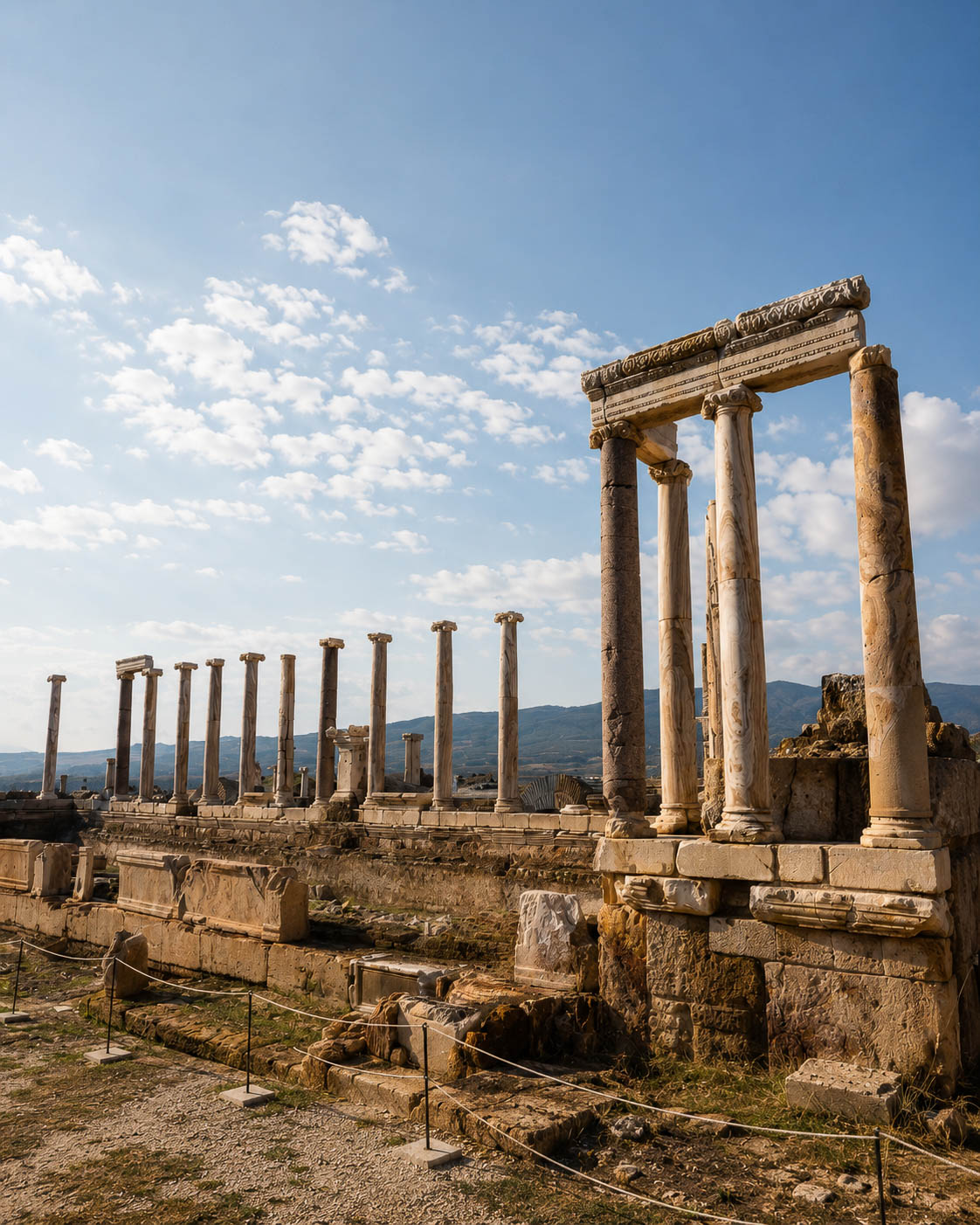
Tripolis Ancient City

Tripolis Ancient City

A Hellenistic-Roman city 35 km north of Denizli near the town of Yenicekent, with a theatre, a colonnaded street and extensive city walls substantially intact. Less visited than Laodicea, Tripolis has an undisturbed atmosphere that rewards the extra effort. The site sits above the Büyük Menderes (Meander) River valley with views across the plain.

02
Hierapolis Ancient City

Hierapolis Ancient City

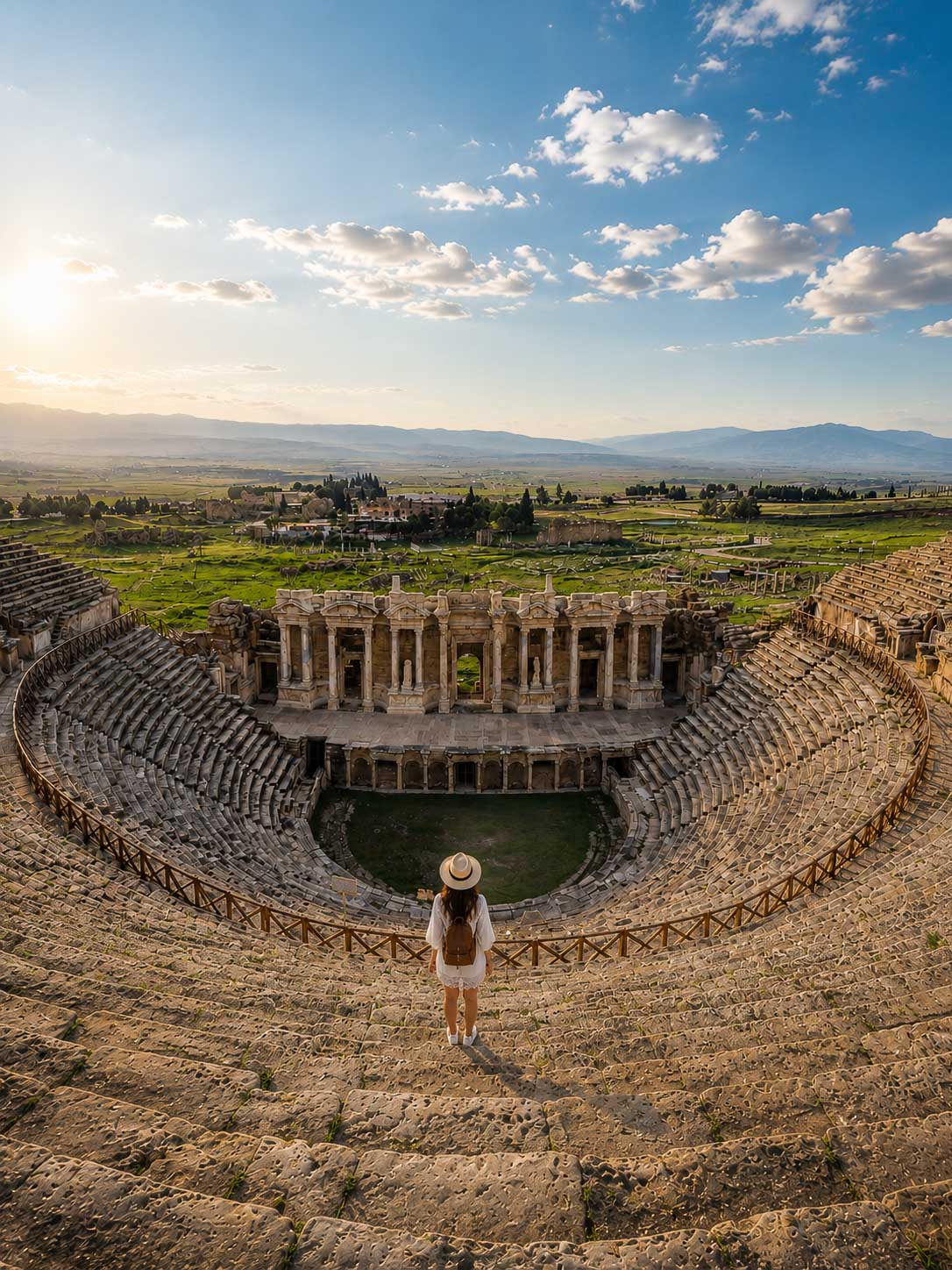
Founded as a thermal spa city in the 2nd century BC by the kings of Pergamon, Hierapolis reached its peak as a Roman city in the 1st to 3rd centuries AD. The theater, seating 12,000, is one of the best-preserved in Turkey and still in use for performances. The necropolis at the northern end of the site is the largest ancient cemetery in Anatolia, with over 1,200 tombs. Cleopatra's Pool has ancient marble columns submerged in the thermal water. The Hierapolis Archaeology Museum is included in the entry ticket. Same ticket as Pamukkale.

04
Honaz Dagi

Honaz Dagi

The highest peak in the Aegean region at just over 2,500 metres, rising sharply above the plain southeast of the city. The slopes are a national park of dense forest, springs and walking trails, cool and green even in high summer. A favourite local escape for picnics and hikes, with the lower reaches easy to reach by car and the summit a serious day for walkers.

06
Acigol Lake

Acigol Lake

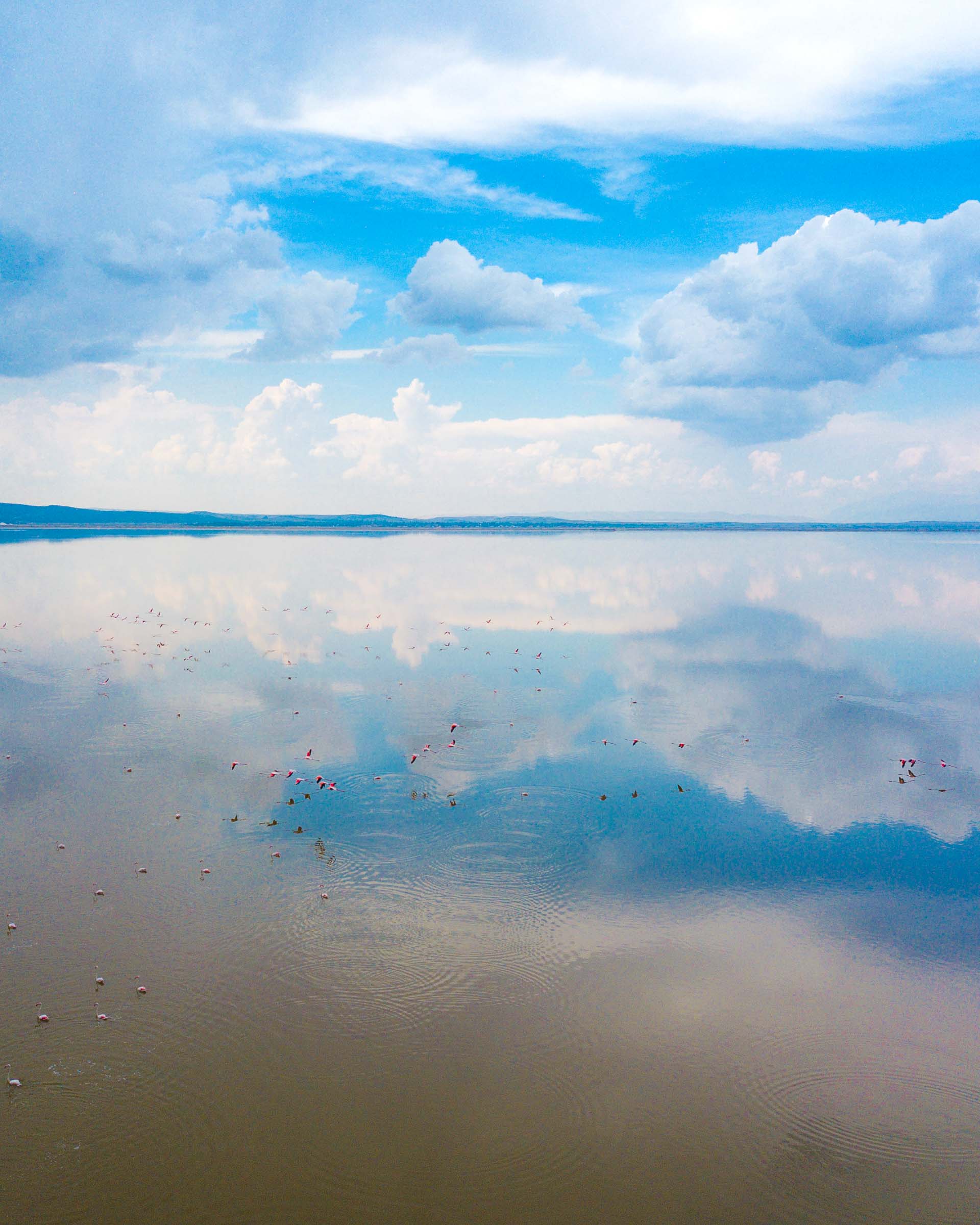
A wide salt lake on the eastern edge of the province, on the road towards Cappadocia. The shallow, mineral-rich water turns pink in places in the heat and draws flamingos in the warmer months. A quiet, otherworldly stop with white salt flats along the shore, easy to pull over for on a longer drive east. Best in the soft light of early morning or late afternoon.

08
Bagbasi Yaylasi

Bagbasi Yaylasi

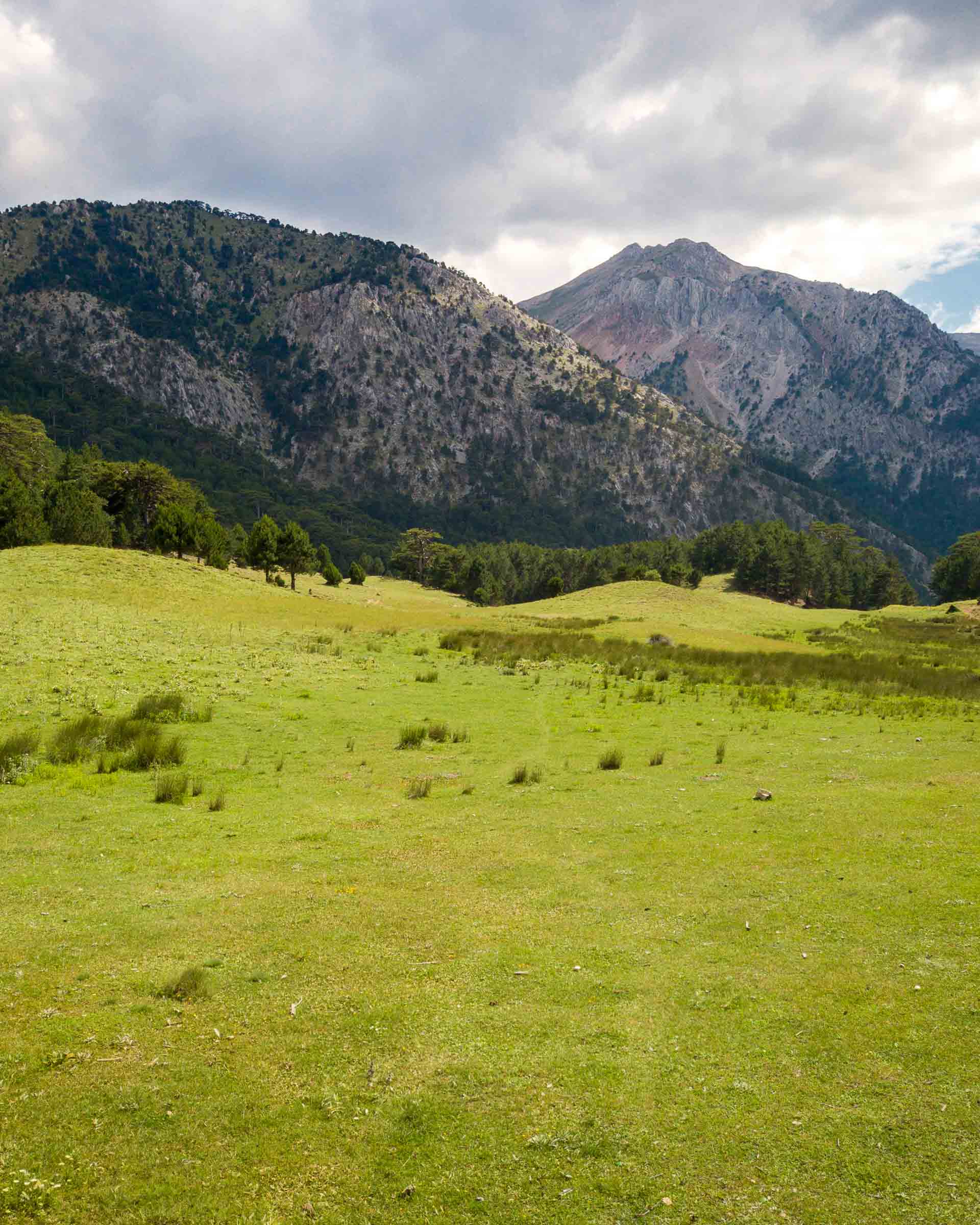
A green highland plateau in the mountains south of the city, near the Honaz range, where locals head in summer for cool air and open meadows. Pine forest, grazing animals and simple tea spots with long views over the valleys. A scenic drive up through the hills and a quiet counterpoint to the busy travertines, with the seasonal yayla life still going on.

Next · Food and Cuisine ↓ continue reading
Aegean Table

Food and Cuisine

Denizli's food is Aegean in character: olive oil, fresh vegetables, good lamb from the surrounding hills, and a wine tradition linked to the ancient vineyards of the region. The city's textile industry wealth historically supported a decent restaurant culture, and the meyhanes around the bazaar area serve straightforward, honest food without tourist pricing.

Regional Specialty
Denizli Kebabı

A flat, wide kebab made from ground lamb mixed with onion and local spices, cooked directly on the grill rather than on a skewer. The lamb from the hills around Denizli is leaner and more flavourful than lowland alternatives. Served on flatbread with roasted tomato, thin-sliced onion and sumac. Found at the better kebab restaurants in the city centre and at the lokantas around the bazaar area.

From the Valley
Pamukkale Şarabı

The Denizli Province has been a wine-producing region since antiquity - the ancient Laodicea was renowned for its wine trade. Today, several small producers around Pamukkale village make wine from local grape varieties including Kalecik Karası and Sultaniye. A few restaurants in Pamukkale village serve local wine from the area. The volcanic-influenced soil gives the wines a mineral edge worth noticing.

Inland Classic
Tarhana Çorbası

A fermented soup made from dried yogurt and wheat flour, tarhana is a distinctly Central Anatolian preparation that appears across the inland Aegean. In Denizli, the tarhana is prepared with local red pepper paste and dried mint and serves as a warming winter breakfast soup. Available at traditional lokantas in the city, particularly in the older bazaar area. Order it with a side of fresh bread and a drizzle of extra olive oil.

Pit-Roasted Lamb
Kuyu Kebabı

Lamb suspended on hooks inside a clay-lined pit oven and slow-cooked for several hours over wood embers - no liquid, no spice beyond salt, just smoke and time. The result is meat that falls apart at the touch, with a thin crust where the surface touched the dry heat. The Denizli and broader inner Aegean tradition keeps a few specialist kuyu kebabcıs going; they typically open at lunch and sell out by mid-afternoon. Served on lavaş with the rendered juices spooned over.

Roasted Chickpea
Leblebi

Roasted chickpeas in many variations: plain white, yellow with husks removed, salted, sugar-coated, or coated in chocolate. The Çorum region is more famous for leblebi production but Denizli and the surrounding Aegean towns have their own bakery tradition, with several producers in the city centre that have been roasting for decades. Sold by weight from open sacks, eaten as a snack alongside tea or rakı. The yellow husked version is the standard.

Aegean Meze
Yoğurtlu Patlıcan Mezesi

Eggplants charred whole over open flame until the skin blackens and the flesh collapses, then peeled, chopped roughly and folded into thick strained yoghurt with garlic and olive oil. A meyhane standard across western Turkey but Denizli's version benefits from the local sheep yoghurt and the smoky eggplants of the Aegean valleys. Served cold as a starter before the kebab arrives. Finish with a drizzle of paprika butter and a few chopped walnuts.

Where to Eat

Recommended Restaurants

The historic Denizli kebab houses near the bazaar, plus kokorec out in Tavas and home cooking in Pamukkale village

Kebapçı Dursun
★★★★★ 4.6 (2,600+ reviews)

One of the best-loved spots for Denizli kebab, the tandoor-cooked lamb the city is known for. Effectively a one-dish place: tender lamb cooked in a pit oven, served with flatbread that soaks up the juices, eaten by hand with spices added at the table. Authentic decor and warm service near the Saraylar bazaar.

Denizli kebab
Kebapçı Baki
★★★★★ 4.6 (2,000+ reviews)

An old-school Denizli kebab house near Bayramyeri, run by one of the city's veteran masters. The lamb is slow-cooked in the tandoor until it falls apart, served with köz onion and pepper. No cutlery by default, just bread and your hands. A simple room, but the kebab is the point and it usually sells out by mid-afternoon.

Tandir kebab
Kebapçı Enver
★★★★ 4.2 (1,400+ reviews)

One of the original Denizli kebab masters, slow-cooking lamb over wood near the grain market on Sarayköy Caddesi. The meat comes smoky and tender with house-made pide on the side. A genuinely local room that has fed the city for decades. Lunch only, and like the rest, it runs out by late afternoon.

Denizli kebab
Çamlık Denizli Kebapçısı
★★★★ 4.4 (2,300+ reviews)

A larger kebab house on the Pamukkale side of the city, specialising in the kuyu tandir, lamb lowered into a pit oven and cooked slowly over wood. A convenient stop on the way to or from the travertines if you do not want to drive into the centre. Order the kebab and keep an eye on the extras they bring to the table.

Kuyu tandir kebab
Bağlı Kokoreç
★★★★ 4.2 (4,300+ reviews)

A five-generation kokorec institution out in Tavas, south of the city, that draws people off the Mugla road. Charcoal-grilled, finely chopped and spiced to taste, served in bread. They will ask how you want it, just tell them to make it well. A genuine roadside classic worth the detour if you eat offal.

Kokorec
Hanımeli Gözleme
★★★★★ 4.8 (490+ reviews)

A small family place in Pamukkale village where gozleme is rolled and cooked by hand in front of you, the kind of home-style cooking that is hard to find among the tourist spots. Fresh village breakfast, handmade flatbreads and a warm welcome from the family who run it. The perfect slow stop after the terraces.

Gozleme and home cooking
Leblebi Dünyası
★★★★★ 4.6 (1,500+ reviews)

Denizli province, and Serinhisar in particular, is the roasted chickpea capital of Turkey, and this shop carries dozens of varieties from plain to pomegranate and chocolate-coated. A classic stop to stock up on leblebi on the way through. Free tastes at the counter, and the staff will let you try as many kinds as you like.

Leblebi (roasted chickpeas)
Mehmets Heaven
★★★★★ 4.7 (690+ reviews)

A friendly, family-run terrace in Pamukkale village with a view over the white travertines. Lentil soup, lamb chops, kunefe and Turkish breakfast, served without rushing you, often with a complimentary tea. A relaxed place to sit and watch the terraces, popular with travellers waiting on a bus or balloon.

Home cooking with a view
On the Ground

Things to Do

01
Pamukkale at Sunrise

The South Gate opens at 06:30. Entry at this time gets you the first 30 to 60 minutes on the terraces with almost no other visitors. The light at this hour is low and warm, the pools reflect the sky, and the temperature is cool enough to be comfortable. After 09:00 the crowd volume increases significantly, particularly from tour buses arriving from Kusadasi and Bodrum. Stay for Hierapolis immediately after, which is quieter before 10:00. This is the single most important timing decision of any Pamukkale visit.

02
Cleopatra's Pool

A thermal pool within the Hierapolis site where ancient marble columns and architectural fragments lie submerged at the bottom. The water is genuinely warm at around 35 degrees and mineral-rich. Entry costs extra on top of the main Hierapolis-Pamukkale ticket but is worth it. Best in the morning before it fills with visitors. Bring a waterproof bag for your phone or camera. Lockers are available near the entrance. Swimming among 2,000-year-old marble columns is an experience that requires no further recommendation.

03
Honaz Dagi Hike

Honaz Dagi, the highest peak in the Aegean at just over 2,500 metres, rises southeast of the city as a national park of dense forest, springs and walking trails. The lower slopes are easy to reach by car for a picnic and a short walk, while the summit is a serious full-day climb for prepared hikers. Cool and green even in high summer, it is the local escape from the heat of the plain and a complete change of scene from the ruins and travertines.

Day Trips

130 km west, about 2 hrs
Ephesus and Kusadasi

Ephesus is the largest and best-preserved ancient Roman city in the eastern Mediterranean. The Library of Celsus, the Temple of Hadrian, the main colonnaded street and the Great Theater at 25,000 seats are all substantially intact. Many organized tours from Pamukkale include both Ephesus and the House of the Virgin Mary nearby. The drive west through the Meander Valley is straightforward and the landscapes are good. Allow a full day for Ephesus alone.

50 km north, about 1 hr
Salda Lake

A crater lake at around 1,200 metres altitude with water of extraordinary clarity and a white mineral beach composed of hydromagnesite deposits similar in appearance to Pamukkale's travertine. The colour of the water ranges from turquoise to deep blue depending on depth and light conditions. Salda is a protected natural area and swimming is permitted at designated sections of the shore. Often called the Turkish Maldives, which oversells it, but the visual quality of the lake is genuinely striking and the setting in the mountains adds to the effect.