Northern Turkey, Black Sea Foothills

Kastamonu

Ottoman konak houses. İlgaz forests. The garlic city.

Scroll
RegionBlack SeaNorthern Anatolia, 904 m
Best SeasonJun to SepSki Dec to Feb at İlgaz
Known ForOttoman HousesKastamonu sucuğu, walnuts
Forest Cover~66%One of Turkey's most forested provinces
Why Visit

Kastamonu

One of Turkey's most intact Ottoman towns, a castle on a rock above streets of timber konaks, wrapped in two thirds forest and almost entirely off the tourist map.

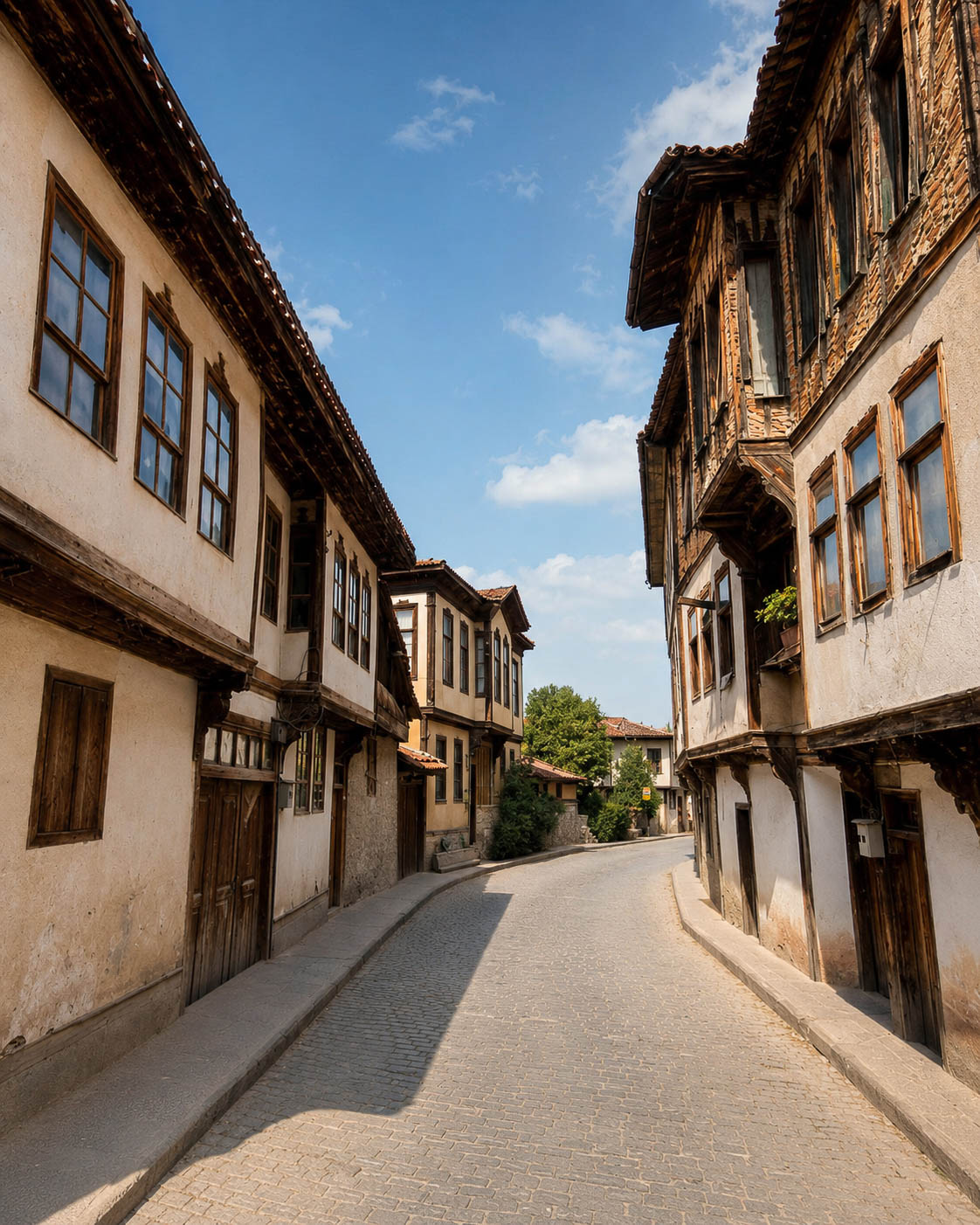
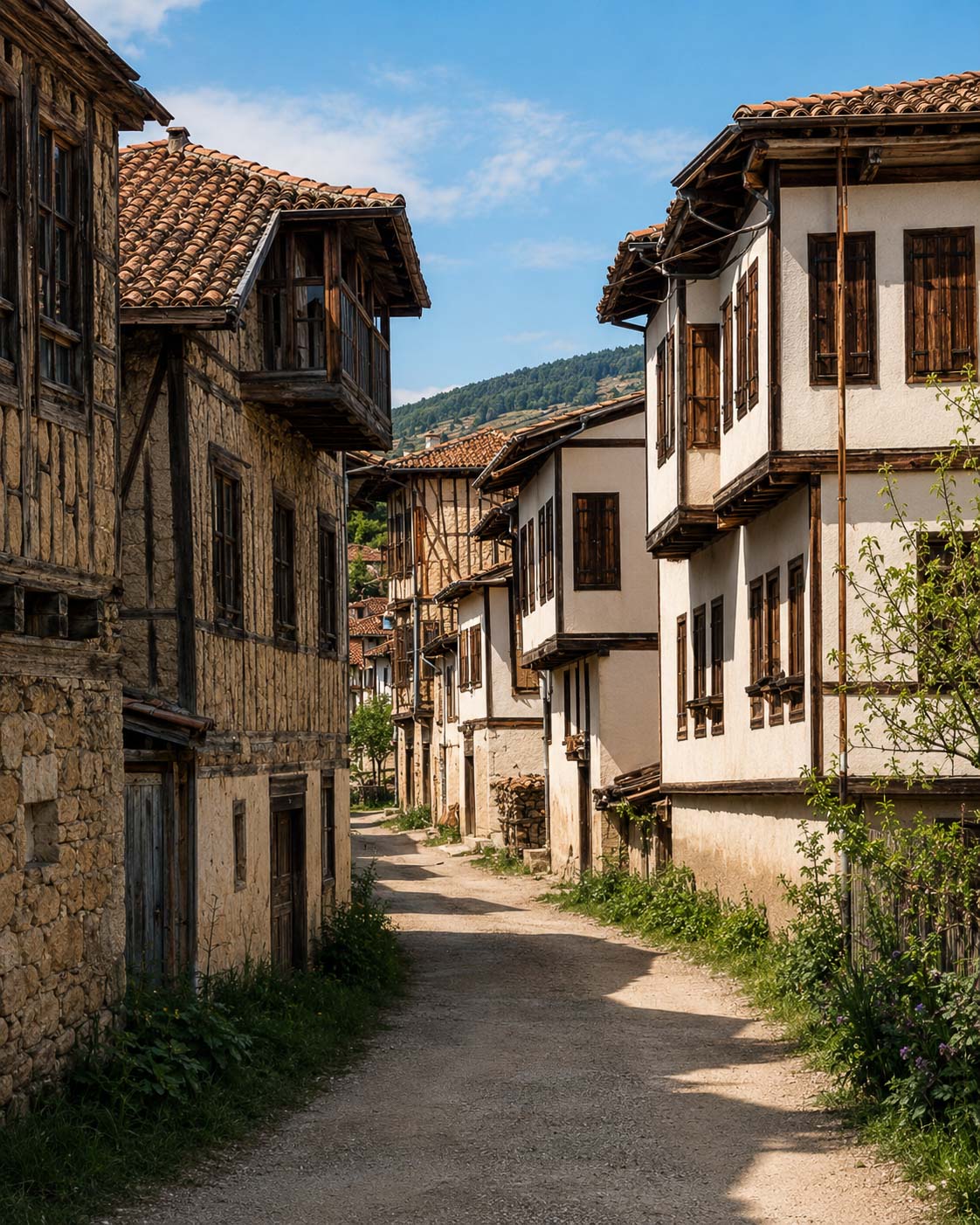
A Byzantine castle stands over more than 200 surviving Ottoman timber konaks, a working covered bazaar, and a run of mosques and hans from the Candaroglu principality. Around it the province is one of the most heavily forested in the country: dense beech and fir running north toward the Black Sea, the canyons and waterfalls of Kure Mountains National Park, and the ski slopes and ancient forest of Ilgaz to the south. The mountain drives through the Gokirmak valley are among the best in the northern Black Sea region.

The food culture centres on garlic. Kastamonu is known across Turkey for its Kastamonu sucuğu, and the local insistence on garlic in almost every dish reflects a long agricultural tradition. The walnuts from Taskopru carry a protected geographical indication and are widely regarded as the finest in the country. Together with forest honey, local cheese and pulled tahini helva, the Kastamonu market is one of the better food shopping stops in northern Anatolia.
Places to Visit · Eight Anchors

Where you actually go in Kastamonu.

Eight places worth your time. Tap a photograph, the map will follow.

01
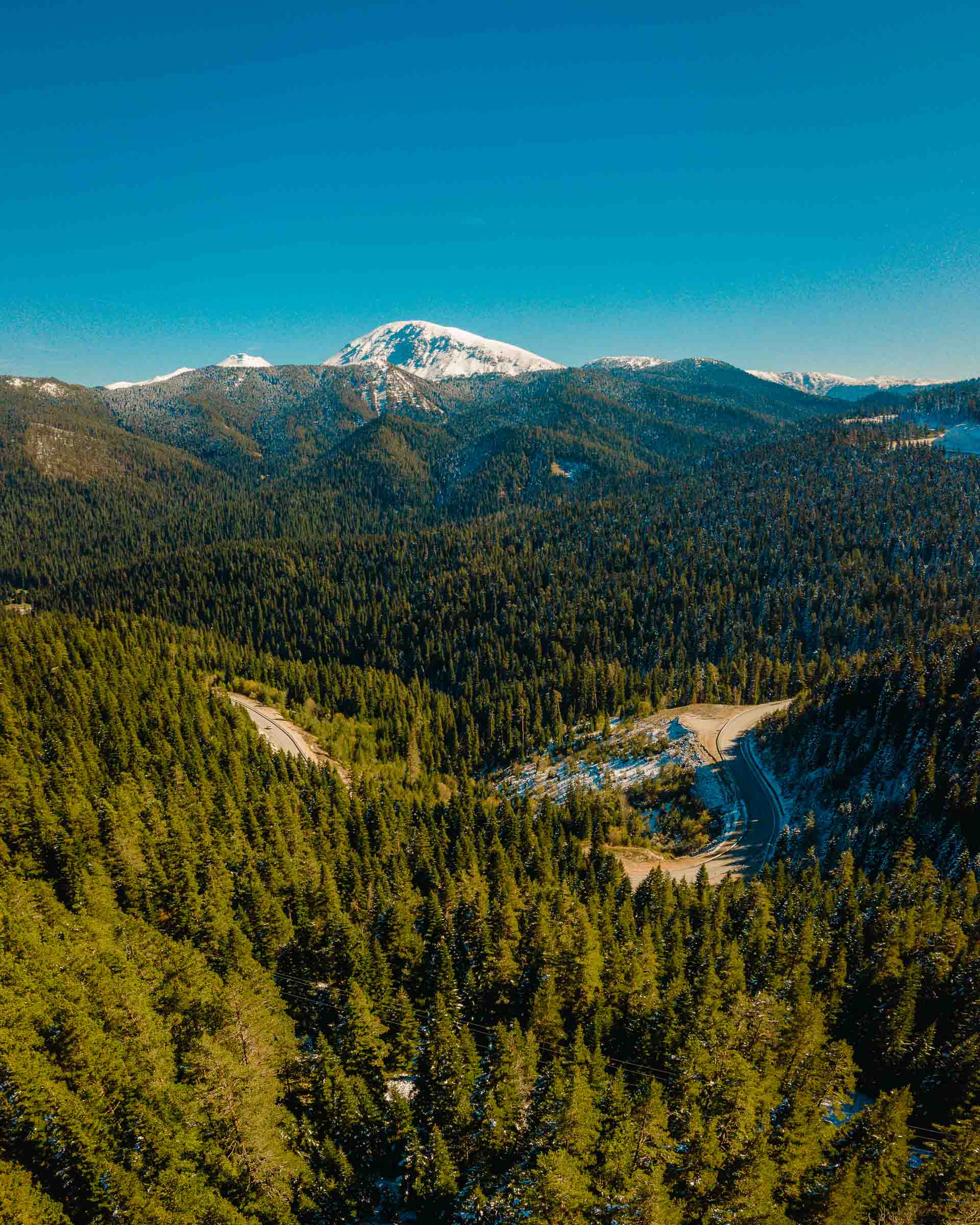
İlgaz Mountain National Park

İlgaz Mountain National Park

A national park south of Kastamonu on the İlgaz range, with dense fir and beech forest covering the upper slopes. A small ski centre operates here from around December to February, while in summer and autumn the marked trails through old-growth forest take over. The drive up from the Kastamonu side climbs steadily through woodland, and the ancient beech with its broad canopy is some of the most impressive forest in the province.

03
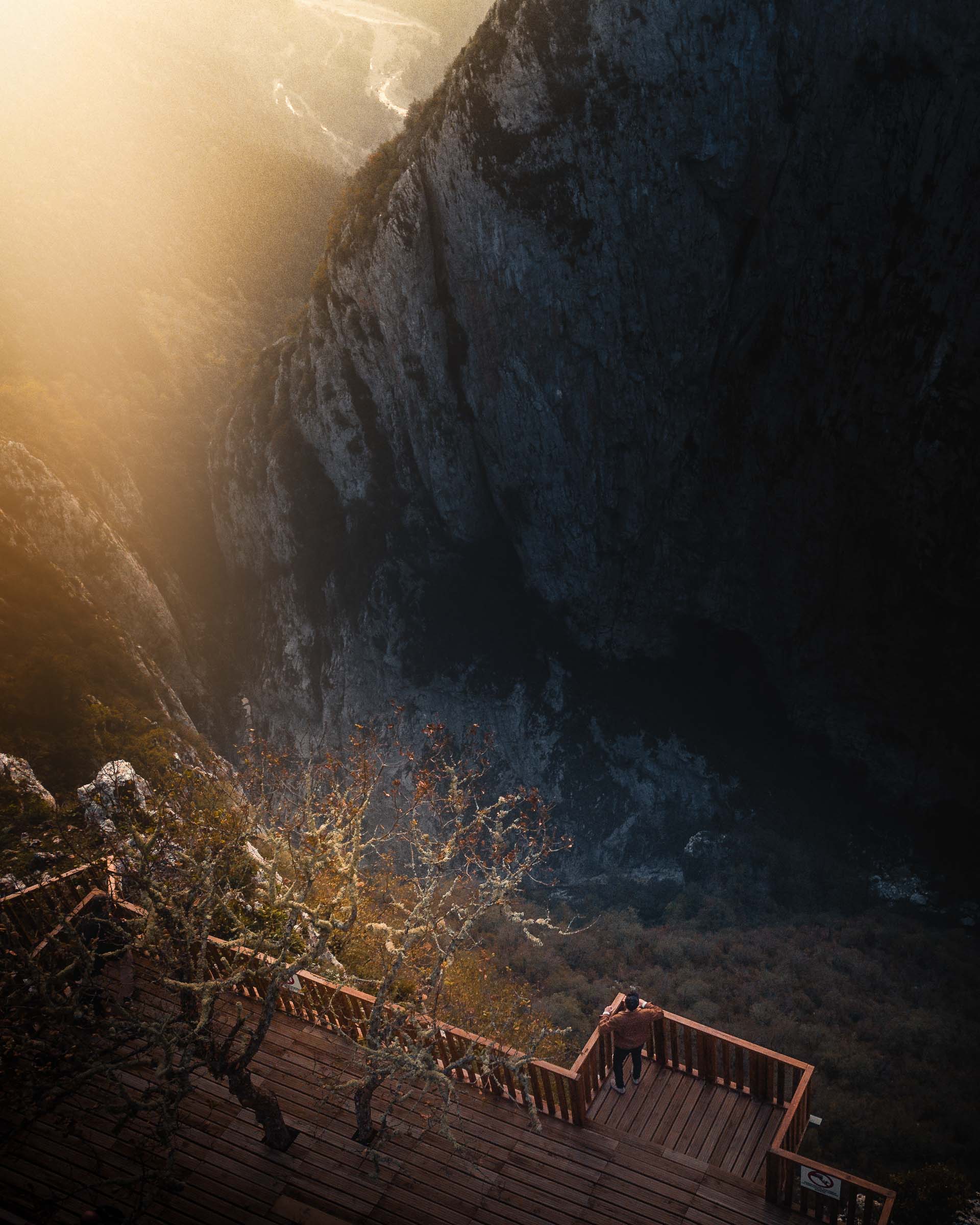
Valla Canyon

Valla Canyon

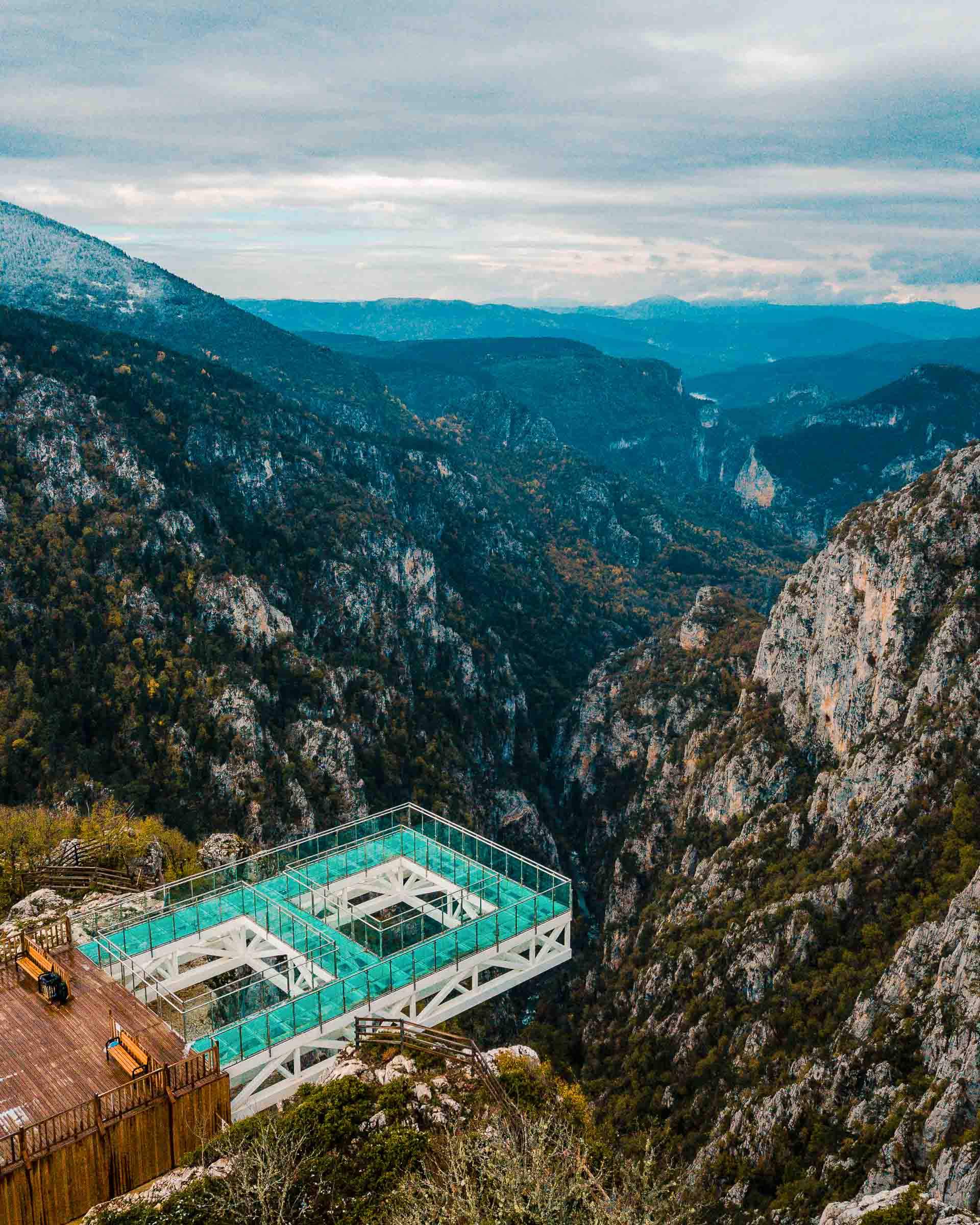
One of the deepest canyons in Turkey, cut by the Devrekani stream through the Küre Mountains near the Muratbaşı village, about 26 km north of Pınarbaşı. Its sheer walls rise roughly 800 to 1,200 metres and stretch around 10 km north towards Cide. The interior is only for professional teams with proper equipment, but a wooden viewing terrace at the rim gives a safe and spectacular look down into the gorge, where eagles and vultures circle.

05
Çatak Canyon

Çatak Canyon

A long canyon in the Pınarbaşı area, running from below the Çatak bridge towards the Nalbantoğlu and İnönü villages through the Küre Mountains. It is gentler in difficulty than Valla but still needs proper equipment to follow inside, and a glass viewing terrace has been built at the rim for those who want the view without the descent. Forested walls and the river below make it one of the quieter canyon stops in the area.

07
Gideros Bay

Gideros Bay

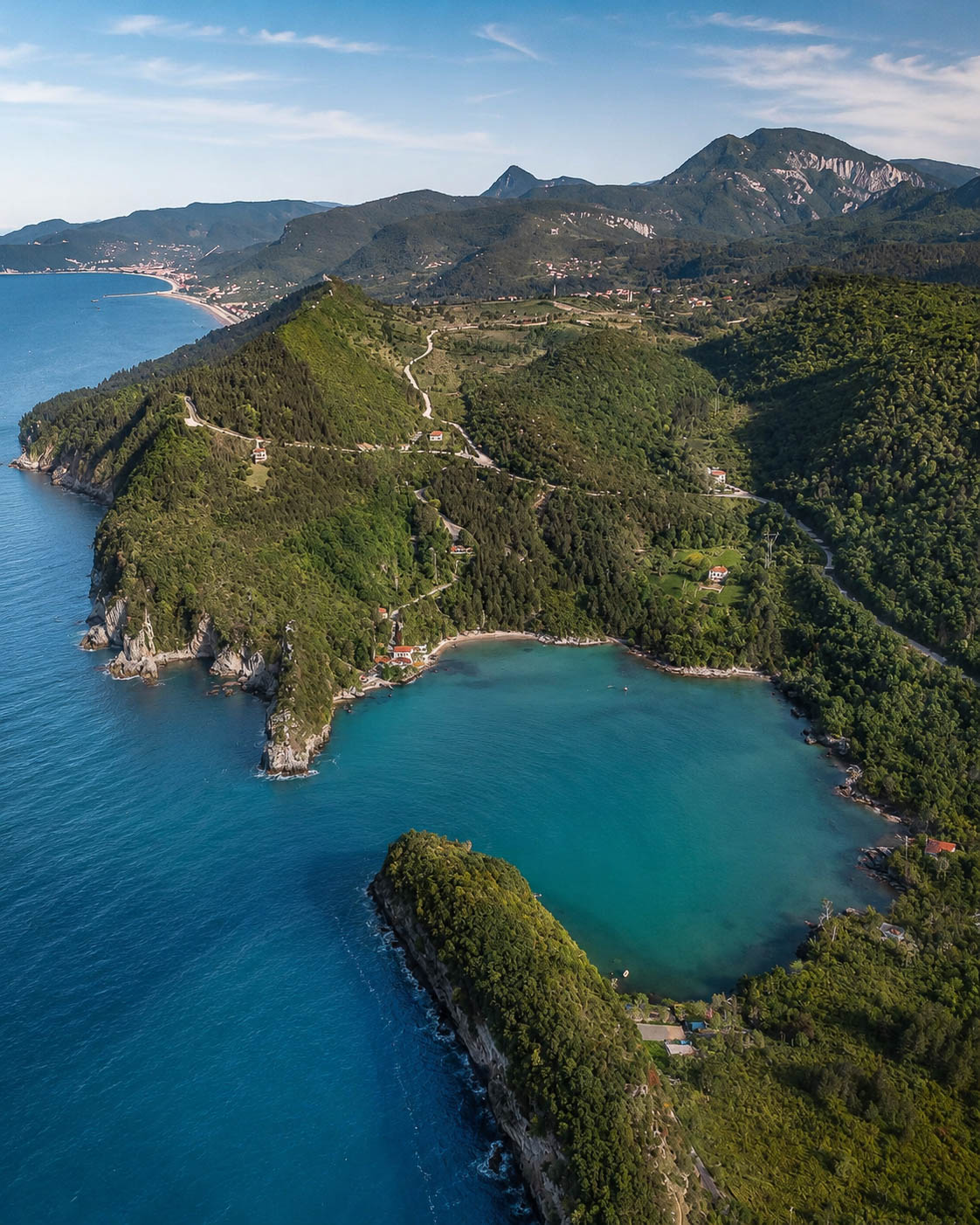
A small, almost enclosed cove on the Black Sea coast in the Cide district, where forested hills drop down to a sheltered horseshoe of calm water. Fishing boats shelter in the bay and a couple of seafood spots sit at the water's edge, making it a quiet stop for a meal and a swim away from the busier beaches. The road in winds through green countryside and the cove is calmest outside the summer weekends.

02
Horma Canyon

Horma Canyon

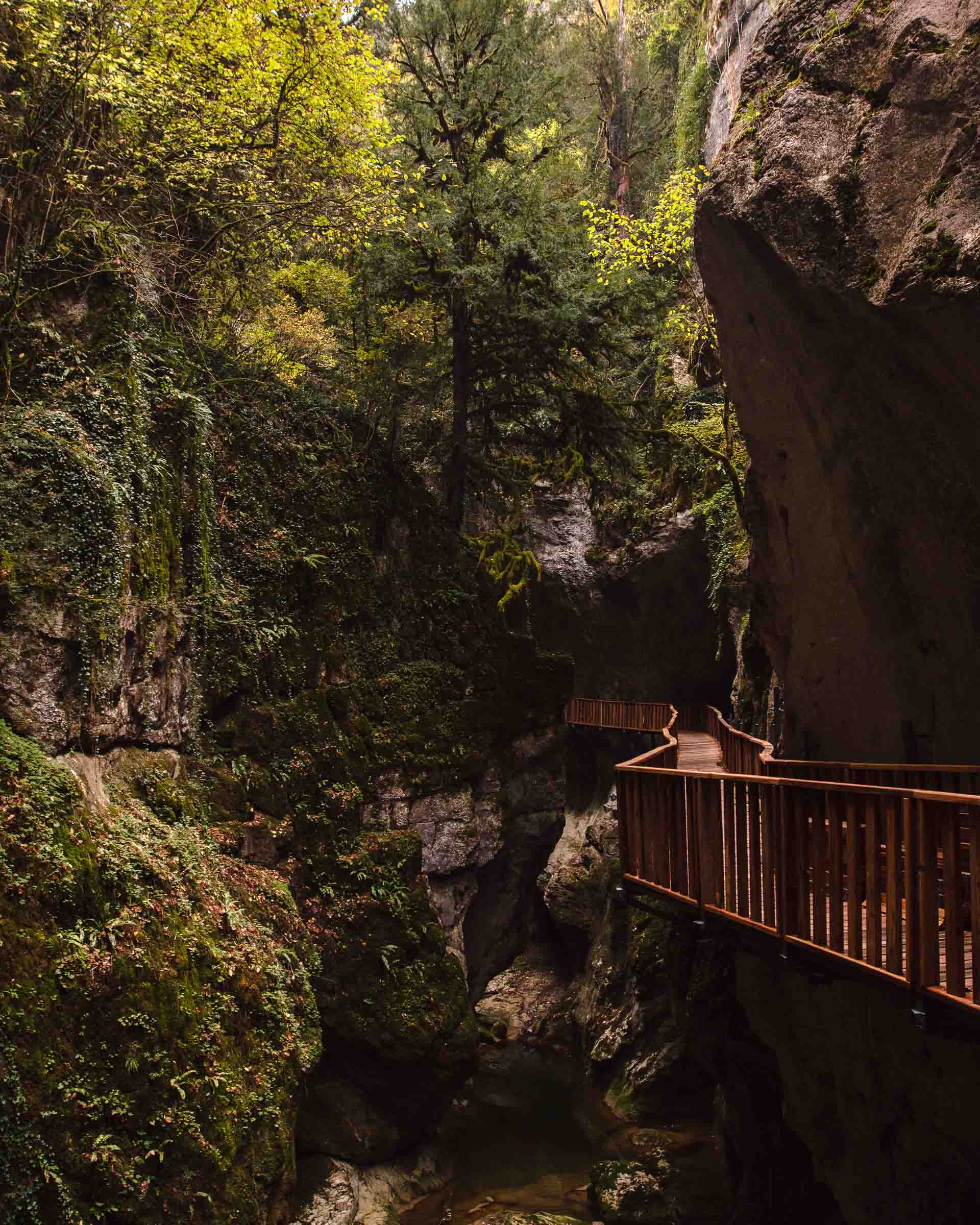
A deep, green canyon near Pınarbaşı inside the Küre Mountains National Park, cut by the Zarı stream and made walkable end to end by a wooden platform of around 1.5 km bolted to the rock. Easy and suitable for beginners, it is one of the most popular canyon walks in the region, with mossy walls, hanging plants and small pools along the way. The path leads on to the Ilıca Waterfall at the northern end.

04
Ilıca Waterfall

Ilıca Waterfall

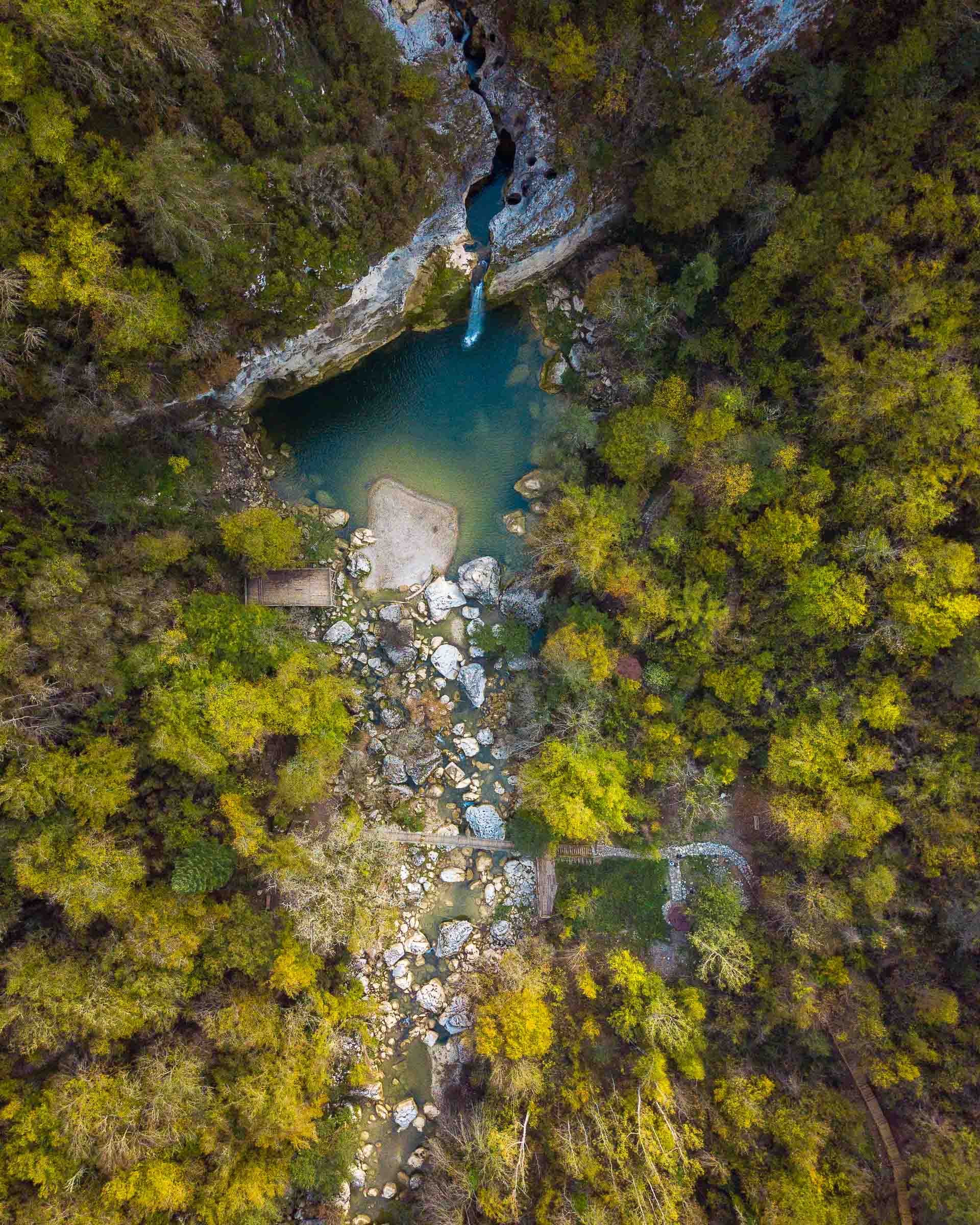
A waterfall of around 10 to 15 metres at the northern end of the Horma Canyon, near Ilıca village about 11 to 12 km from Pınarbaşı. The fed by the same Zarı stream that runs through Horma, it drops into a green natural pool surrounded by dense forest, a favourite cool-off spot on hot summer days. From the village it is a short walk of about 15 minutes to reach the falls, often combined with the canyon walk.

06
Ottoman Konak Houses

Ottoman Konak Houses

The streets below Kastamonu's castle hold one of the largest concentrations of intact Ottoman timber-framed konak houses in Turkey, with overhanging upper floors, carved wooden bay windows and courtyard layouts well preserved. Several have become museums and guesthouses, and the Ethnography Museum occupies a particularly fine example. The neighbourhood rewards slow wandering more than a fixed route, especially in the soft evening light.

08
Yörük Village

Yörük Village

In the countryside around Kastamonu, traditional Yörük village life is preserved in restored wooden houses, old kitchens and craft displays that show how the semi-nomadic communities of the region once lived. Handlooms, copper, felt and rural cooking are part of the experience, often with a meal of local dishes. It is a low-key cultural stop that pairs well with the canyons and forest, giving a sense of the human side of the Küre Mountains.

Next · Food and Cuisine ↓ continue reading
Black Sea Table

Food and Cuisine

Kastamonu's food is defined by garlic, walnuts and forest products. The Kastamonu sucuğu is the city's signature food product and the Taşköprü garlic is the finest in the country. The broader Northern Anatolian table - cornbread, fresh cheese, butter, honey and lamb - fills out a cuisine that is substantial, honest and deeply tied to the landscape.

The Signature
Kastamonu Sucuğu

A dry sausage made with heavy garlic seasoning - the defining flavour of Kastamonu's cured meat tradition. The Taşköprü garlic, with its sharp aromatic intensity, gives the sucuk a character unlike the cumin-forward versions made elsewhere. Pan-fried on cast iron until the skin blisters, eaten with eggs and fresh bread. Available at every butcher and market in the city and at the bazaar. Buy vacuum-packed for transport; the smell travels extremely well without containment.

Protected Origin
Taşköprü Sarımsağı

Garlic from the Taşköprü district with a protected geographical indication, grown in the alluvial valley of the Gökırmak River. The soil and climate produce a garlic with smaller, more compact cloves and an intensely aromatic character that concentrates during the August harvest. Eaten roasted as a meze, used raw in dressings, and braided into the traditional garlic strings that hang in every Kastamonu kitchen. The annual garlic festival in Taşköprü in August is a legitimate event - not a tourist production but a commercial market that determines regional pricing.

Walnut Chicken Wrap
Banduma

Shredded boiled chicken tossed with crushed walnuts and butter, layered between large rounds of yufka soaked briefly in chicken stock, then served sliced. A celebration food and Friday lunch dish across the central Karadeniz region but particularly identified with Kastamonu. The richness comes from the walnut paste; the structure from the layered yufka. Served warm with a small bowl of stock on the side. Listed at the traditional lokantas in the city centre.

Pulled Tahini
Çekme Helva

A pulled tahini-and-sugar sweet specific to Kastamonu: the mixture is worked by hand and stretched repeatedly until it develops a fine, layered, almost feather-like texture. Sold in small slabs at the dedicated helva makers in the city - several of which have been operating for over a century. The texture is the marker; the flavour is straightforward tahini sweetness. Buy from one of the historic shops near the bedesten, vacuum-pack and travel with it.

Cornmeal Cheese
Mıklama

Cornmeal slowly cooked in butter with the local young, unsalted cheese until the cheese melts into long stretchy threads through the porridge - a close relative of the broader Karadeniz muhlama tradition but with a slightly drier consistency in the Kastamonu version. Eaten directly from the pan with bread. A village breakfast food and a yayla staple, found at the traditional restaurants in the city and at the highland inns above Pınarbaşı.

Einkorn Wheat
Siyez Bulguru

Siyez is einkorn wheat - one of the oldest cultivated grain varieties, still grown in the Kastamonu villages around İhsangazi using methods unchanged for centuries. The grain is parboiled, dried and cracked into bulgur, which has a smaller, denser kernel than the standard durum bulgur and a nuttier flavour. Cooked into pilav or used in salads. Sold at the village markets and increasingly stocked by speciality food shops; one of the more interesting Anatolian grain products to take home.

Where to Eat

Top Restaurants in Kastamonu

The covered bazaar is where to buy garlic sucuk, Taskopru garlic and pulled cekme helva from the historic shops near Nasrullah Mosque. For meals, the lokantas in the city centre below the castle are the most reliable.

Cem Sultan Bedesteni Restoran
★★★★ 4.2 (2,700+ reviews)

Set inside the historic bedesten in the bazaar, the city's best-known table for regional cooking in an Ottoman-era stone interior. Order half portions and sample widely: eksili pilav made with ancient siyez wheat and wild greens, etli ekmek and the local meat dishes. Atmospheric and central, a short walk below the castle.

Eksili pilav, etli ekmek, regional dishes
Penbe Han
★★★★ 4.0 (1,400+ reviews)

A rustic table in a restored han with a fire in the dining room in winter and a roster of Kastamonu specialities. The local manti and etli ekmek are the dishes to order, alongside grilled meats. Warm setting, attentive service and a genuine sense of the regional kitchen.

Kastamonu manti, etli ekmek, grills
Eflanili Konagi
★★★★ 4.0 (1,200+ reviews)

An old mansion turned restaurant with a pleasant garden, serving local dishes and a house eksi beverage that regulars come back for. Relaxed and reasonably priced, a good choice for a slow lunch after walking the old town. The garden is the draw in warm weather.

Local dishes, garden setting
Munire Sultan Sofrasi
★★★★ 3.9 (1,600+ reviews)

A central, cosy table set in the courtyard of the Munire Medrese in the heart of the old town. Traditional Kastamonu cooking with smaller portions so you can taste several dishes. Banduma is the order here, the walnut-and-chicken yufka dish the region is known for.

Banduma, regional tasting plates
Asci Ihsan Usta
★★★★ 4.3 (380+ reviews)

An honest esnaf lokantasi near the centre, busy with locals and known for friendly service and very fair prices. The daily tray of home-style dishes and the baked rice pudding are the reliable orders. No tourist orientation, just a dependable working-town kitchen.

Esnaf lokantasi, home-style dishes
Hanimeli Restoran
★★★★★ 4.8 (80+ reviews)

A small home-cooking spot near the centre serving a rotating set menu of several dishes at a very fair fixed price, popular with office workers at lunch. Handmade, clean and friendly, with Kastamonu-style meat bread among the things to try. Limited seating, so come early.

Home cooking, set menu, meat bread
On the Ground

Activities and Experiences

01
Old City Walk

The castle, the Ottoman konak district, the Nasrullah Mosque and the covered bazaar form a compact circuit walkable in 3 to 4 hours at a relaxed pace. Start at the castle for the overview, descend into the konak lanes, visit the Ethnography Museum in a restored house, and finish at the bazaar for garlic sucuk and walnut shopping. The city is quiet on weekday mornings - the ideal time to walk the residential lanes without the weekend visitors. Ask at your guesthouse about any houses currently open to the public for restoration or tourism projects.

02
İlgaz Mountain Trek

İlgaz Mountain National Park has marked hiking trails through old-growth beech and fir forest from June through October. The trail to the main summit, Büyük Hacet Tepe (2,587 m), takes about 5 to 6 hours return and passes through forest of exceptional character - ancient beech with horizontal canopy and a forest floor of ferns and wildflowers. The ski resort infrastructure (open in winter) provides a base for summer visits. The drive from Kastamonu through the Gökırmak valley to İlgaz is itself a pleasant road in good weather.

03
Taşköprü Garlic Market

The August garlic harvest in Taşköprü (60 km northeast) coincides with the town's annual garlic festival - a working commercial event rather than a tourist attraction, where producers bring their braided garlic strings to sell to buyers from across Turkey. The Roman bridge in the town centre, the walnut orchards in the surrounding villages, and the riverside market create a combination of food, history and landscape that rewards a full day. Buy a braided garlic string and vacuum-packed walnut kernels to take home. The drive through the Gökırmak valley is good throughout the year.

Day Trips from Kastamonu

100 km southwest, about 1 hr 30 min
Safranbolu

A UNESCO World Heritage city 100 km southwest of Kastamonu with the best-preserved collection of Ottoman merchant houses in Turkey - over 1,000 registered historical structures in the old town. The houses are larger and more ornate than Kastamonu's, built by the merchants who controlled the saffron trade in the 17th and 18th centuries. The old bazaar, the Cinci Han caravanserai and the Köprülü Mehmed Pasha mosque are the key monuments. Easily visited as a day trip from Kastamonu. Several houses operate as guesthouses for those who want to stay overnight.

90 km north, about 1 hr 30 min
İnebolu and Black Sea Coast

The road north from Kastamonu descends through dense forest to the Black Sea coast at İnebolu - a working fishing town with an excellent harbour fish market, a beach of clean grey sand, and an architecture of modest wooden houses that reflects its historical role as a small Ottoman port. The drive through the forest, particularly in autumn when the beech turns gold, is one of the best in the region. İnebolu was the landing point for weapons supplies during the Turkish War of Independence - a historical significance the town commemorates without fanfare.