Central Anatolia, Gateway to Cappadocia

Kayseri

Erciyes at 3,917 m. Silk Road caravanserais. Pastırma and mantı.

Scroll
RegionCentral AnatoliaInland plateau, 1,055 m
Best SeasonDec-Mar, Apr-JunSki winter, sights spring
Known ForErciyesPastırma, mantı, Seljuk art
AirportKayseri (ASR)5 km from the city centre
Why Visit

Kayseri

A working Central Anatolian capital at the foot of Erciyes, a 3,917 metre dormant volcano, with one of the finest concentrations of 13th-century Seljuk architecture in the country and a food culture most Turks talk about before anything else.

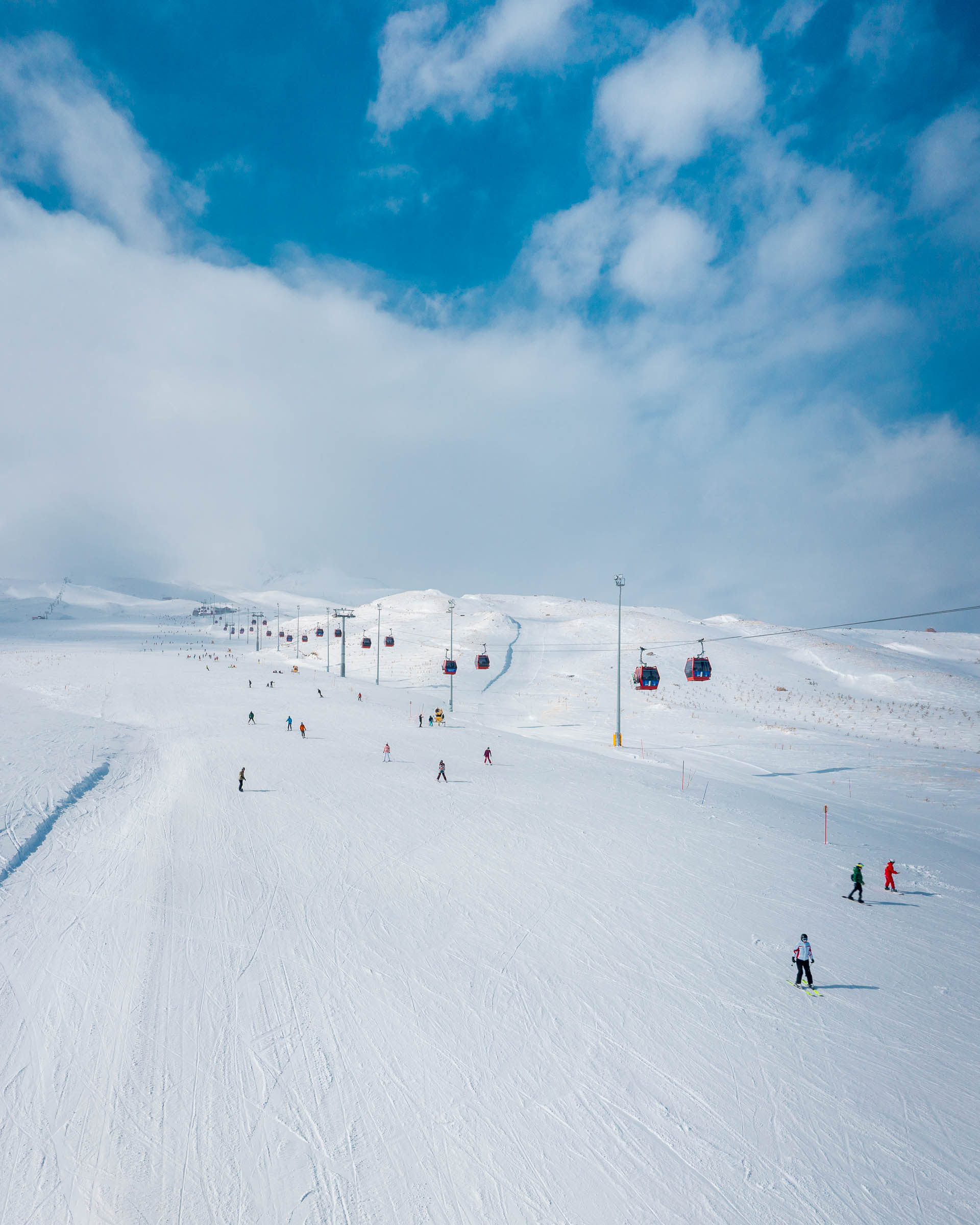
The Seljuk monuments are the architectural anchor: the Hunat Hatun complex, the Döner Kümbet, the Ulu Cami and the kümbets scattered through the old town are among the best-preserved 13th-century Islamic buildings in Turkey. The medieval citadel and covered bazaar still occupy the centre of the city. Beyond the walls, Erciyes Ski Resort runs from November to April with around 112 kilometres of pistes reaching about 3,340 metres, and in summer the mountain becomes a trekking and mountain biking destination.

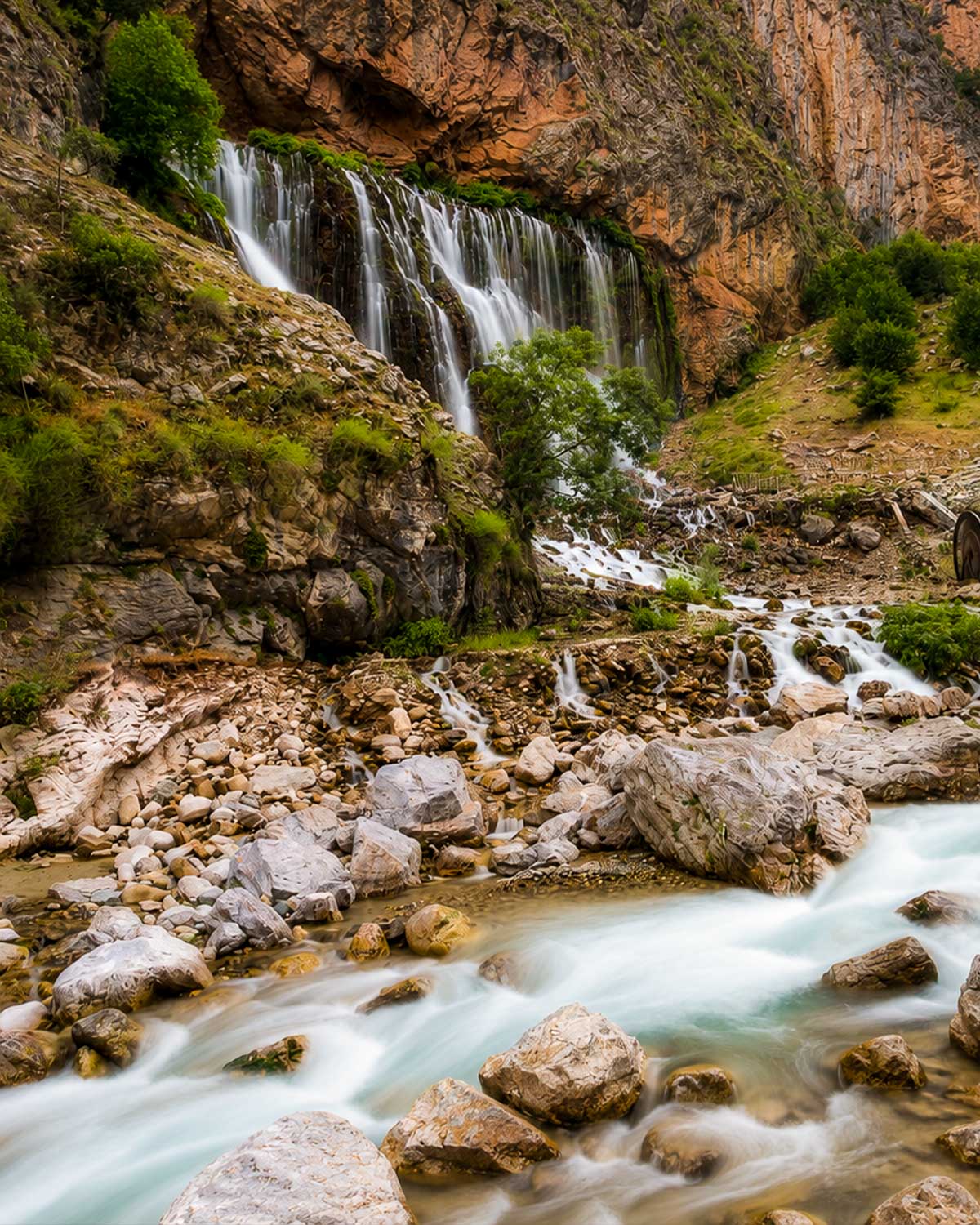
Outside the city the province is unexpectedly varied: the Sultansazlığı wetlands, a Ramsar site with 300 recorded bird species including flamingos in season; the Soğanlı Valley with its Cappadocian rock-cut churches outside the main tourist circuit; the Karpuzbaşı waterfalls cascading out of a limestone cliff; and Karatay Han near Bünyan, a 13th-century Seljuk caravanserai with one of the finest carved portals in central Anatolia. The food, pastırma cured in fenugreek and the city's tiny mantı, both carry protected geographical indications.

Places to Visit in Kayseri · Eight Anchors

Where you actually go in Kayseri.

Eight places worth your time. Tap a photograph, the map will follow.

01
Mount Erciyes

Mount Erciyes and Ski Resort

A dormant stratovolcano rising to 3,917 metres, 25 km south of the city. The ski resort developed on its slopes over the last two decades has around 112 km of runs across all difficulty levels served by a modern lift system, with snowfall from November to April, the most consistent in Central Anatolia. The base sits at around 2,100 metres and the highest lift reaches about 3,340 metres. In summer the mountain offers trekking routes to the crater rim and glacier remnants. The summit requires a full day and proper alpine equipment. The resort base has good hotel and restaurant infrastructure. Direct ski buses run from the city centre.
03
Kayseri Citadel and Historic Bazaar

Citadel and Historic Bazaar

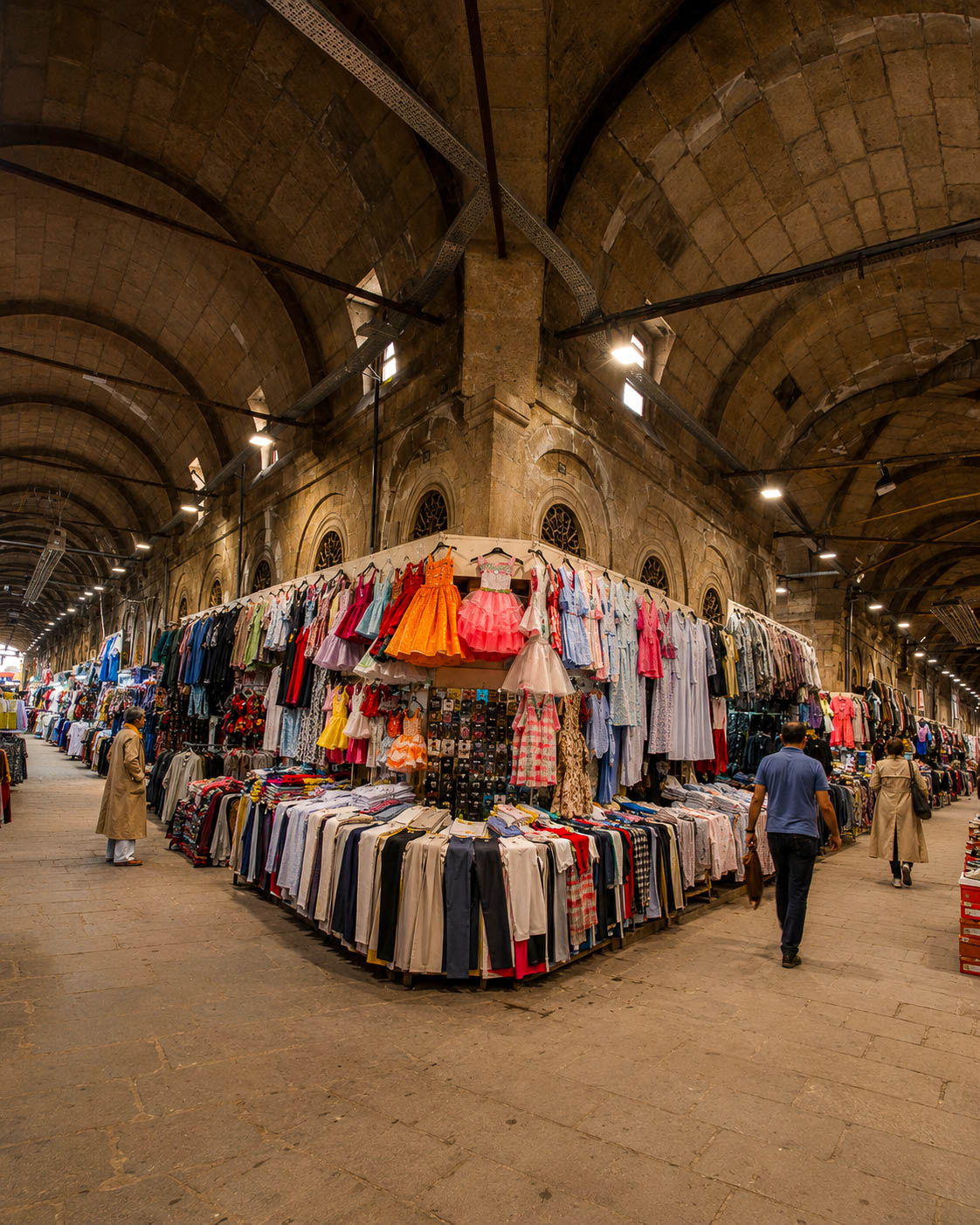
The old commercial centre of Kayseri grew up around the medieval citadel walls, with the covered Kapalı Çarşı, the Bedesten and the surrounding caravanserai-style hans still trading today. The Hunat Hatun mosque and medrese, built in 1238 by Mahperi Hunat Hatun, wife of Sultan Alaeddin Keykubad, anchor the precinct on the east side. Carved stone portals, vaulted alleys and family shops selling pastırma, dried fruit, copperware and Anatolian carpets define a quarter that has changed surprisingly little in nine centuries.

05
Sultanhani Caravanserai

Karatay Han

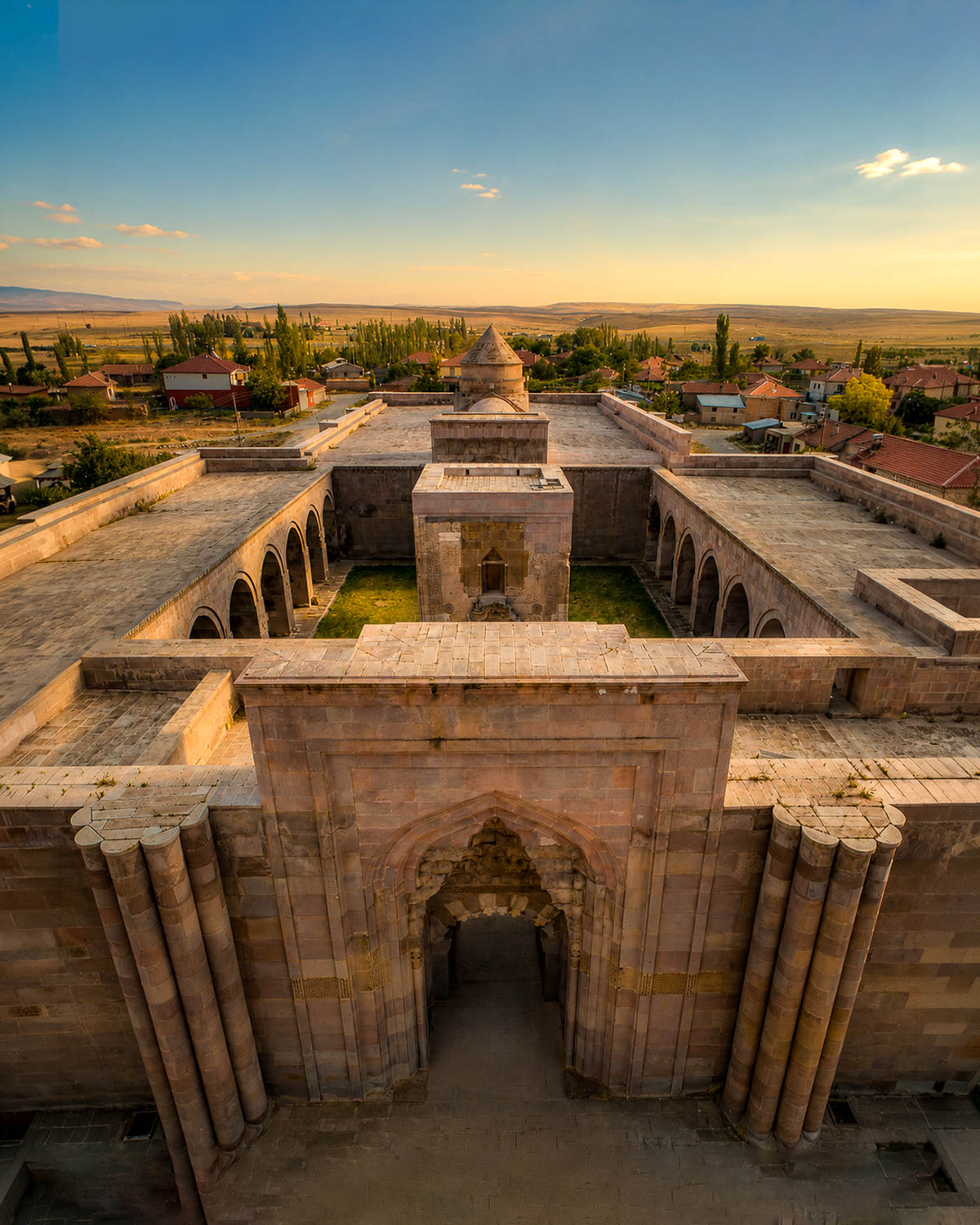
A 13th-century Seljuk caravanserai built in the 1240s by Vizier Celaleddin Karatay on the old Kayseri to Malatya trade road, near Bünyan. The carved portal is one of the finest pieces of Seljuk stonework in central Anatolia, with deep niches and muqarnas above an Arabic inscription bearing the vizier's name. Like the larger Seljuk hans, the complex includes a small mosque, a bathhouse and a tomb behind walls that almost read as a small castle. Lightly visited, easy to combine with a drive into the Anatolian steppe.

07
Soganli Valley rock churches

Soğanlı Valley

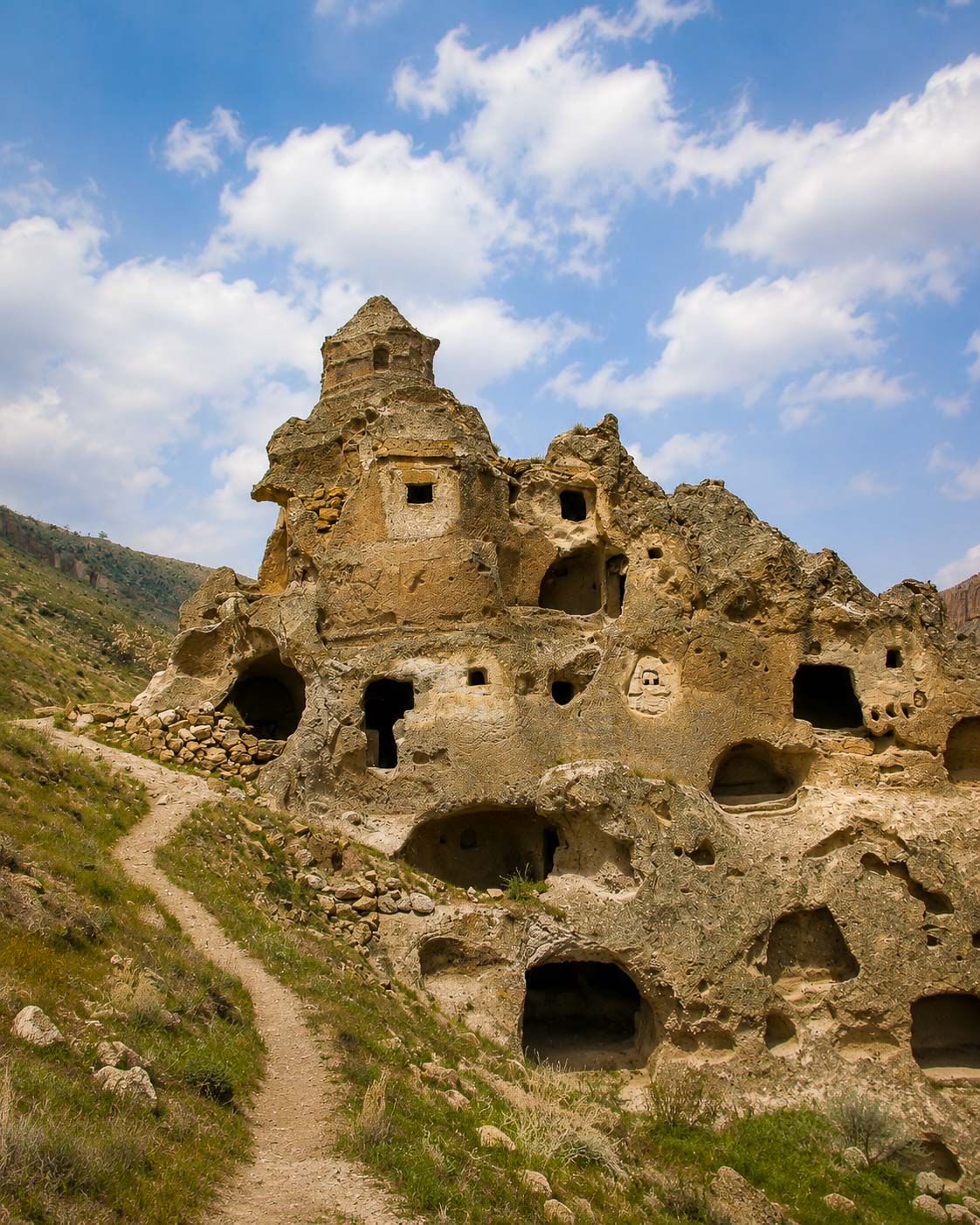
A quiet rock-cut valley on the southern edge of the Kayseri province, geologically part of the same volcanic landscape as Cappadocia but outside the main tourist circuit. Byzantine monks carved more than 50 churches into the tufa cliffs between the 9th and 13th centuries, several preserving frescoes of saints and scenes from the gospels in their cave interiors. A short network of walking paths links the two main valleys. A morning here gives a sense of the rock-cut tradition without the crowds of Göreme.

02
Kayseri Castle

Kayseri Castle

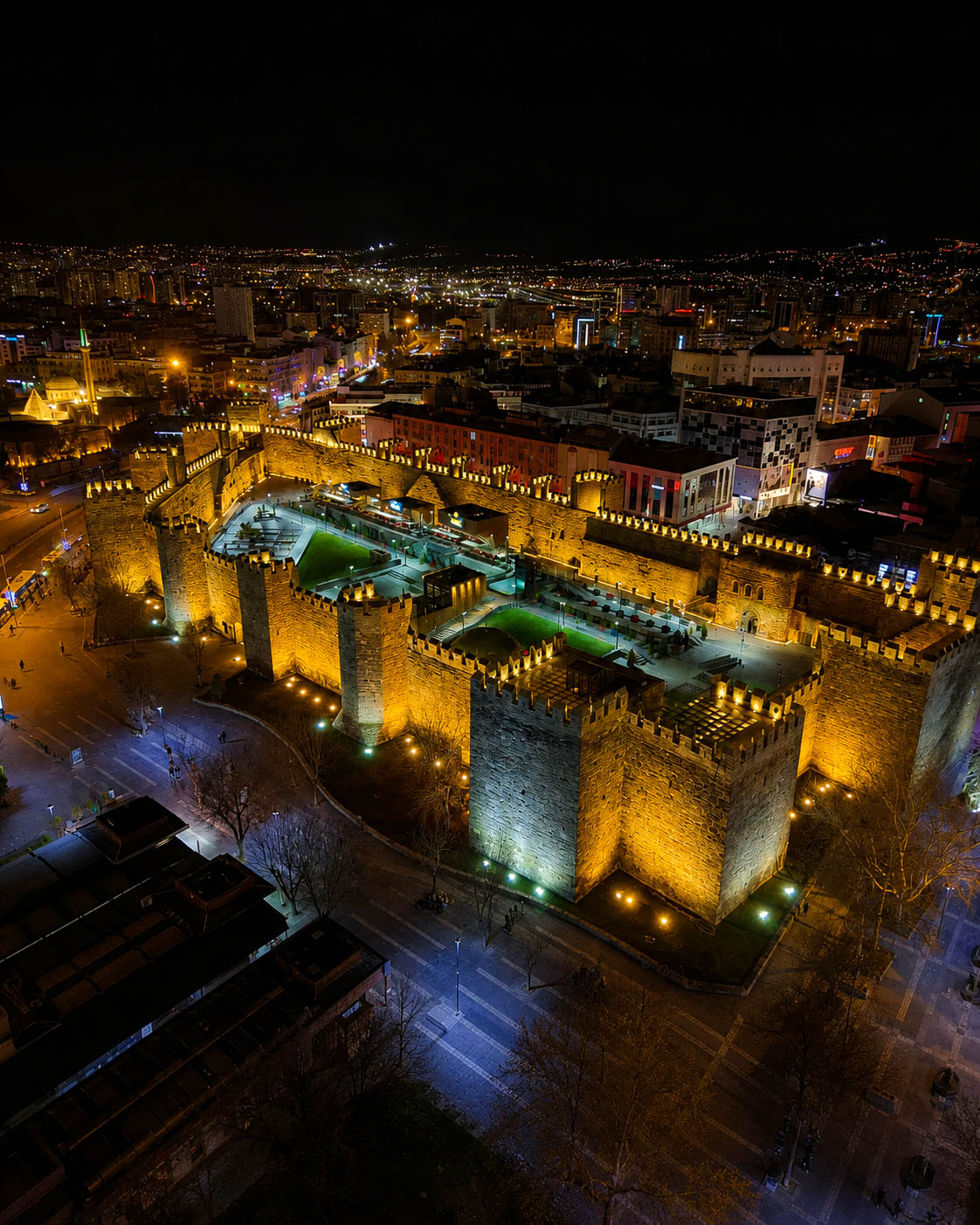
A Byzantine fortress rebuilt by the Seljuks in the 13th century, its black basalt walls rising directly from the city centre market district. The 18 towers and the inner citadel walls are substantially intact. The castle interior has been converted to a shopping and craft market. The exterior walls, particularly at dusk when the black basalt catches the last light, are the architectural highlight of the city centre. The bazaar area immediately outside the castle walls sells the best pastırma and mantı products in the city.

04
Kayseri Ulu Cami Grand Mosque

Ulu Cami (Grand Mosque)

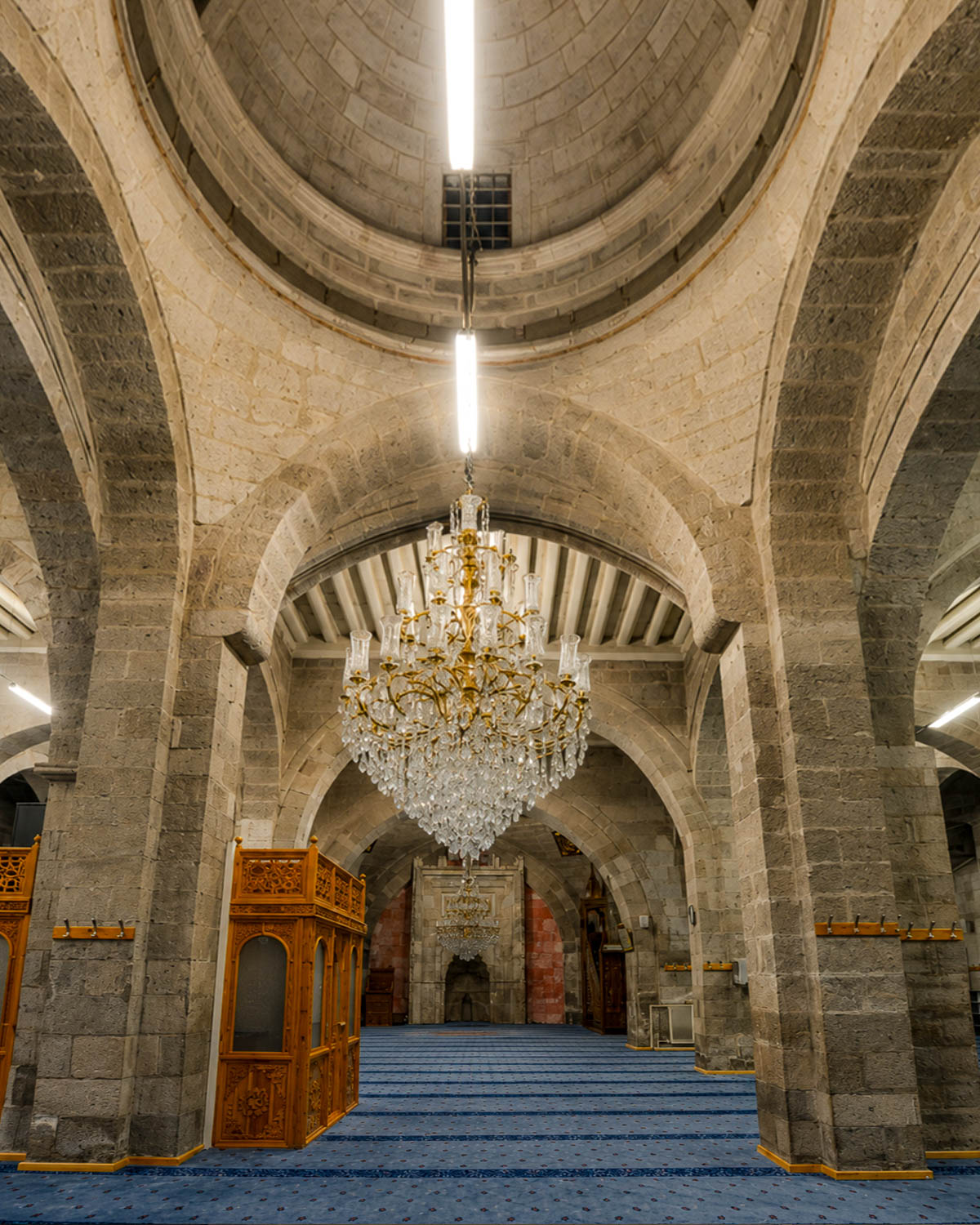
One of the oldest and most distinguished early Turkish mosques in Anatolia, built in the 12th century with a flat roof carried on 50 stone pillars in a forest-like prayer hall. The exterior is austere, the interior intimate and dim, lit only by small windows and the central skylight. A short walk from the citadel and the historic bazaar, the mosque sits within the Hunat Hatun quarter alongside the elegant Döner Kümbet, the city's most refined Seljuk mausoleum and a short detour away.

06
Sultansazlığı Wetlands

Sultansazlığı Wetlands

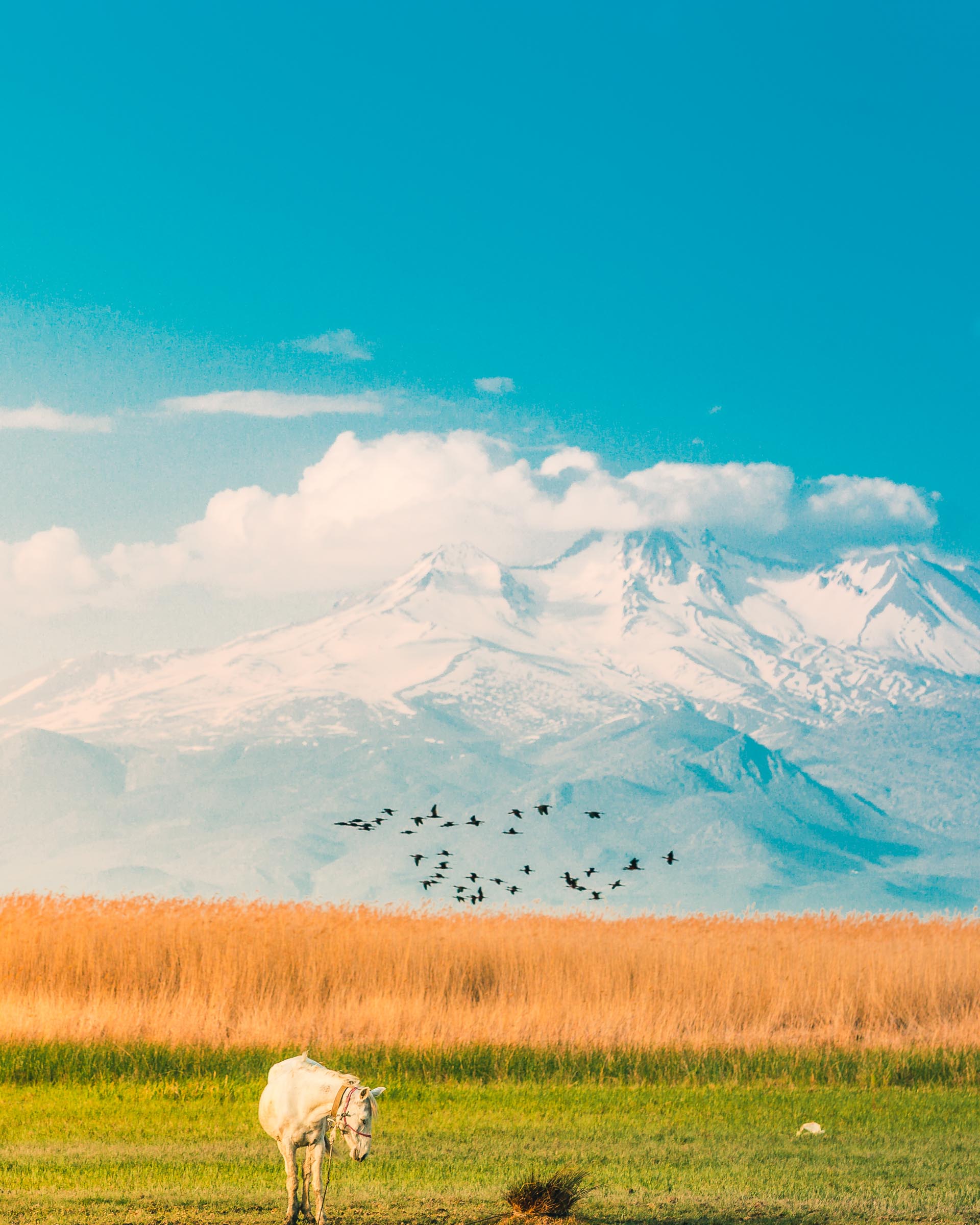
A Ramsar-designated wetland and national park 40 km south of Kayseri, fed by springs from Erciyes and the surrounding plateau. The lake system hosts over 300 bird species including flamingos, pelicans, spoonbills, and numerous wading and diving species. The observation towers around the lake perimeter provide views across open water and reed beds. Best visited at dawn in spring (March to May) and autumn (September to November). The flat plateau light at these hours, combined with the scale of the wetland and the mountain backdrop, makes for remarkable photography.

08
Karpuzbasi Waterfall

Karpuzbaşı Waterfalls

A series of waterfalls in the Aladağlar range south of the city, where karst springs burst out of a limestone cliff in a wide curtain of white water before falling into the Zamantı river below. Several cascades drop up to around 70 metres across a green valley, with viewing platforms and short walking trails connecting them. A small mountain village above the falls has simple river-trout restaurants under the trees. A natural-side day from the city that locals reach as much as visitors.

Next · Food and Cuisine ↓ continue reading
Local Cuisine Anatolian Table

Food and Cuisine

Kayseri has two dishes with national standing and protected geographical indications: pastırma and mantı. Both are made here to a standard that their imitators elsewhere do not reach. The broader Central Anatolian food culture - lamb, legumes, flatbreads and dairy - fills out a table that is honest, generous and deeply satisfying.

Protected Origin
Kayseri Pastırması

Air-dried cured beef rubbed with çemen - a paste of fenugreek, garlic and red pepper - and aged in the cool dry air of the Central Anatolian plateau. The process takes several weeks and produces a deep red, intensely flavoured cured meat with a pungent aroma that announces its presence. Eaten thinly sliced in sandwiches, pan-fried with eggs, or on pide. The pastırma sold in the covered bazaar by the castle is the correct place to buy. The smell of the çemen coating permeates the bazaar lane and tells you when you have arrived.

National Icon
Kayseri Mantısı

The smallest filled dumplings in Turkish cuisine - each piece no larger than a fingernail - filled with seasoned minced lamb and sealed by hand. Boiled and served with garlic yogurt, melted butter and dried mint. A skilled mantı maker produces forty per square metre of dough; the best in Kayseri produce a hundred. The quality of the seal, the thinness of the dough and the balance of the lamb filling are what separate a good mantı from a mediocre one. Eat it for lunch at a dedicated mantı lokantası in the city centre.

Plateau Lamb
Kayseri Tandırı

Lamb slow-cooked in a clay pit tandır from dawn, falling from the bone when served. The plateau sheep of the Kayseri region produce meat with a concentrated, clean flavour. Served with flatbread, plain yogurt and a salad of red onion and sumac. Available at traditional lokantas in the old city, where the meat has been cooking since 05:00 and service ends when the pot is empty. Order at the door and eat immediately.

Stuffed Flatbread
Kayseri Ketesi

A flatbread stuffed with a mixture of crumbled cheese, butter and sometimes pastırma or kavurma, then griddled until the surface is crisp and the interior molten. A staple of Kayseri's home cooking and the city's breakfast culture - eaten warm, cut into wedges, often with a glass of çay. The dedicated lokantas and breakfast places around the old town serve the better versions. The kete distinguishes itself from gözleme by being thicker and more substantially filled.

Layered Bread
Kayseri Yağlaması

A layered yufka bread brushed with butter and stacked, with minced meat or pastırma between the layers, baked until golden and cut into squares. A Kayseri speciality served at celebrations and at the city's traditional lokantas, particularly during winter. The layers separate cleanly when the bread is cut warm. Eat with garlic yoghurt and a sprinkling of paprika butter, or alongside a kuru fasulye.

Walnut Syrup Sweet
Nevzine Tatlısı

Squares of buttery shortbread layered with crushed walnuts, baked, then soaked in light sugar syrup while still warm. A Kayseri dessert house standard, lighter than baklava but in a similar family of butter-and-nut sweets. Eaten cold, with the syrup fully absorbed. The historic confectioners in the city centre - several with multi-generational operations - all produce a version; the best examples come from the smaller specialists rather than the big-name chains.

Where to Eat

Recommended Restaurants

The classic Kayseri mantı houses, the city's most loved iskender institution, the pöç-tandır breakfast specialist and a Develi staple unique to the southern part of the province

Kaşık-La
★★★★ 3.9 (6,700+ reviews)

A Kayseri institution since 1994, founded by Necmiye Postaağası and still the headline mantı address in the city. The kitchen turns out the small Kayseri dumplings with garlic yoghurt and tomato butter alongside tepsi mantısı, yağlama, etli yaprak sarması, kâğıtta pastırma and the Erciyes kebab. Spacious modern dining room with attentive service; a complete sweep through the local kitchen in one meal.

Kayseri mantı and yağlama
Elmacıoğlu İskender
★★★★ 3.8 (11,000+ reviews)

In business since 1959 and the address most Kayserili will tell you to try first. The signature is iskender, doner over flatbread with melted butter and tomato sauce, but the menu also covers Kayseri mantı, Develi cıvıklısı, yağlama, etli yaprak sarma and kâğıtta pastırma. Busy at lunch with locals and travellers alike, and a reliable benchmark for the full city table.

İskender and the full Kayseri table
Altınsaray Pöç-Kelle
★★★★★ 4.5 (800+ reviews)

A modest, locals-only specialist for pöç (oxtail tandır) and kelle paça soup, opening from six in the morning and selling out by mid-afternoon. The bone broth is so highly regarded the kitchen also supplies it to hospitals, and the pöç comes with meat that falls off the bone. Plain room, no fuss, the most authentic taste of Kayseri offal cooking. Call ahead.

Pöç tandır and bone broth
Hacı Restaurant Steakhouse
★★★★★ 4.4 (1,600+ reviews)

The polished side of Kayseri dining, a steakhouse and modern restaurant in Melikgazi with a wood-panelled dining room, a serious wine list and consistently warm service. Ribeye, lamb chops and a parmesan-wheel pasta are the headline orders, with a strong breakfast spread on weekend mornings. A good choice for an unhurried evening after a day on the mountain or in the bazaar.

Steaks and modern Anatolian dining
Sultan Sofrası Erciyes
★★★★ 3.9 (400+ reviews)

A homey restaurant on Sivas Bulvarı specialising in the full Central Anatolian table: Kayseri mantı, tepsi mantısı, kâğıtta pastırma, pöç tandır, yağlama and traditional dolmas, alongside Ottoman and meze options. Warm, family-oriented service and attentive staff who walk first-time visitors through how to eat each dish. Good value, large portions.

Tepsi mantısı and traditional dolmas
Avlu Restaurant
★★★★ 4.2 (140+ reviews)

A traditional restaurant in a beautifully restored stone konak in the Tarihi Kayseri Mahallesi (Historic Kayseri Quarter), the city's restored heritage precinct. The menu is short and seasonal, the soup is the order locals recommend, and the original interior, vaulted ceilings and quiet courtyard make it as much an experience of the old town as a meal. Worth a stop even just to look inside.

Traditional cooking in a historic konak
Altındede Pide Fırını
★★★ 3.3 (360+ reviews)

A traditional bakery on İstasyon Caddesi best known as the only Kayseri oven still rolling its yağlama şebiti (the thin base flatbread) entirely by hand. The tahini pide and the tırnaklı flatbreads are the orders to watch for, alongside nevzine, the city's walnut-and-tahini dessert with syrup. As much a place to take home a box of Kayseri sweets as to eat there.

Tahini pide, yağlama şebit and nevzine
Bereket Develi Cıvıklısı (Develi)
★★★★★ 4.5 (270+ reviews)

A small restaurant in the southern town of Develi, an hour from the city, specialising in cıvıklı, the thin meat-topped flatbread that is the signature dish of the southern Kayseri province. Served straight from the oven with honey yoghurt, fresh salad and a clay pot of tomatoes and onions on the side. A walnut version is the local finish. Worth combining with a Soğanlı Valley day.

Develi cıvıklısı with honey yoghurt
Experiences

Things to Do

01
Ski Erciyes

Around 112 km of ski runs reaching about 3,340 metres at the Ottoman piste, served by a modern network of chairlifts and gondolas, and the most reliable snow in Central Anatolia. Erciyes is Turkey's most developed ski resort after Uludağ and Palandöken and arguably the best for advanced skiers, with genuinely steep black runs and good off-piste terrain in the upper mountain. The season runs November to April. Direct buses from Kayseri city centre. Accommodation at the mountain or in the city. Equipment rental at the base. The views from the upper lifts across the Anatolian plateau are extraordinary on clear days.

02
Seljuk Monument Circuit

The castle, Hunat Hatun complex, Ulu Cami, Döner Kümbet and the surrounding covered bazaar can be covered on foot in a half-day from the city centre. The concentration of 13th-century Seljuk architecture here rivals Konya and Sivas and receives a fraction of the visitors, and the Kayseri Archaeology Museum on the south side of the citadel quarter holds the cuneiform tablets and other finds from the Kültepe excavations, the ancient Assyrian trading colony of Kaniš where the earliest known writing in Anatolia was discovered.

03
Silk Road Day Trip

The drive east from Kayseri on the old Silk Road passes through the flat plateau landscape to the Karatay Hanı at 50 km, one of the best-preserved Seljuk caravanserais in Turkey. Continuing further reaches Sivas (200 km), another major Seljuk city with its own cluster of 13th-century monuments. The Karatay Hanı circuit as a half-day is entirely practical. The plateau landscape - wheat fields, volcanic outcrops and enormous sky - is the context that the caravanserai was built into, and both deserve attention.

Day Trips

80 km west, about 1 hr 15 min
Cappadocia

Göreme and the Cappadocia fairy chimneys are 80 km west of Kayseri - the closest major airport to the region. The full Cappadocia circuit (Göreme Open Air Museum, Derinkuyu, Ihlara Valley) requires two days minimum but the main sites around Göreme are manageable in a long day from Kayseri. Many visitors use Kayseri as the arrival and departure city for Cappadocia. The reverse is equally valid: a night in Kayseri before or after Cappadocia adds the Seljuk city and Erciyes to the itinerary at minimal extra effort.

40 km south, about 45 min
Sultansazlığı

The Ramsar-listed wetland south of Kayseri is one of Turkey's most important bird habitats: flamingos, pelicans, storks, herons, eagles and over 300 species recorded. The best visits are at dawn in spring when the birds are active and the mountain backdrop catches the early light. Take the D300 south from Kayseri toward Yeşilhisar and follow signs for the national park. Observation towers along the perimeter road. No entry fee. Binoculars essential. The flat plateau drive to reach it, with Erciyes receding behind you, is itself photogenic.