Mediterranean Coast, Southern Turkey

Mersin

Kızkalesi. Silifke. A long stretch of Mediterranean coast.

Scroll
RegionMediterraneanLong Mediterranean coast
Best SeasonOct to MaySummers hot, mild winters
Known ForKızkalesiSilifke, Tarsus, citrus
AirportÇukurova (COV)45 km from the city centre
Why Visit

Mersin

Turkey's longest provincial coastline, where Hellenistic temples, Roman streets and medieval crusader castles crowd a 321-kilometre stretch of the eastern Mediterranean that most international visitors drive straight through.

The anchor is Kızkalesi, the Maiden's Castle on a small island about 500 metres offshore, reached by rowboat, with a second 12th-century Armenian fortress directly opposite on the mainland. The village around it has a beach of clean grey sand, good fish restaurants and a low-key atmosphere outside high summer. Inland, the coastline opens onto natural sights of its own: the karst sinkholes of Cennet and Cehennem near Silifke, the long cave at Gilindire and the Yerköprü waterfall, where the Göksu river flows underground for a short stretch.

Tarsus, 30 km east of the city, is the birthplace of St Paul, with a Roman-era street layout still readable, the Cleopatra's Gate and a natural waterfall in the city park. Silifke, 80 km west, has a Byzantine fortress and an archaeology museum, and 10 km beyond it the Hellenistic temple city of Uzuncaburç. Up in the Taurus mountains the early Byzantine basilica complex at Alahan and the medieval seaside fortress at Anamur (Mamure Kalesi) round out a coast that rewards driving rather than rushing.

Places to Visit in Mersin · Eight Anchors

Where you actually go in Mersin.

Eight places worth your time. Tap a photograph, the map will follow.

01
Kizkalesi Maidens Castle

Kızkalesi (Maiden's Castle)

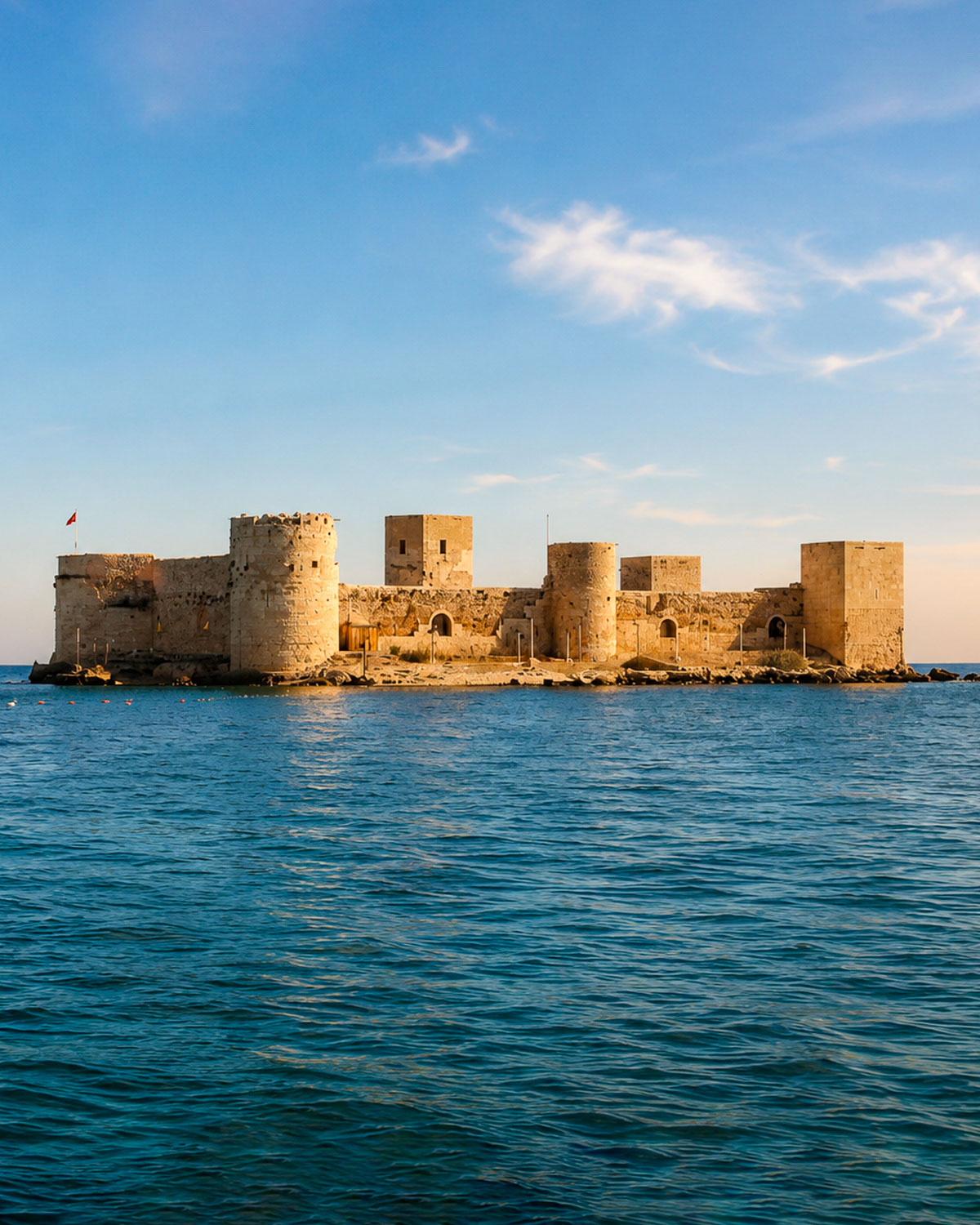
A 12th-century Armenian Cilician fortress built on a small island around 300 metres from the shoreline, reached by rowboat from the beach for a nominal fee. A second castle on the mainland, Korykos Castle, stands directly opposite. Together they controlled access to a defended harbour between them. The island fortress is in remarkable condition, with towers, vaulted halls and the original Armenian stone construction largely intact. The village beach in front is pleasant outside of July and August. Best visited in spring or autumn when the crowds are manageable and the sea temperature still allows swimming.
03
Tarsus ancient city

Tarsus Ancient City

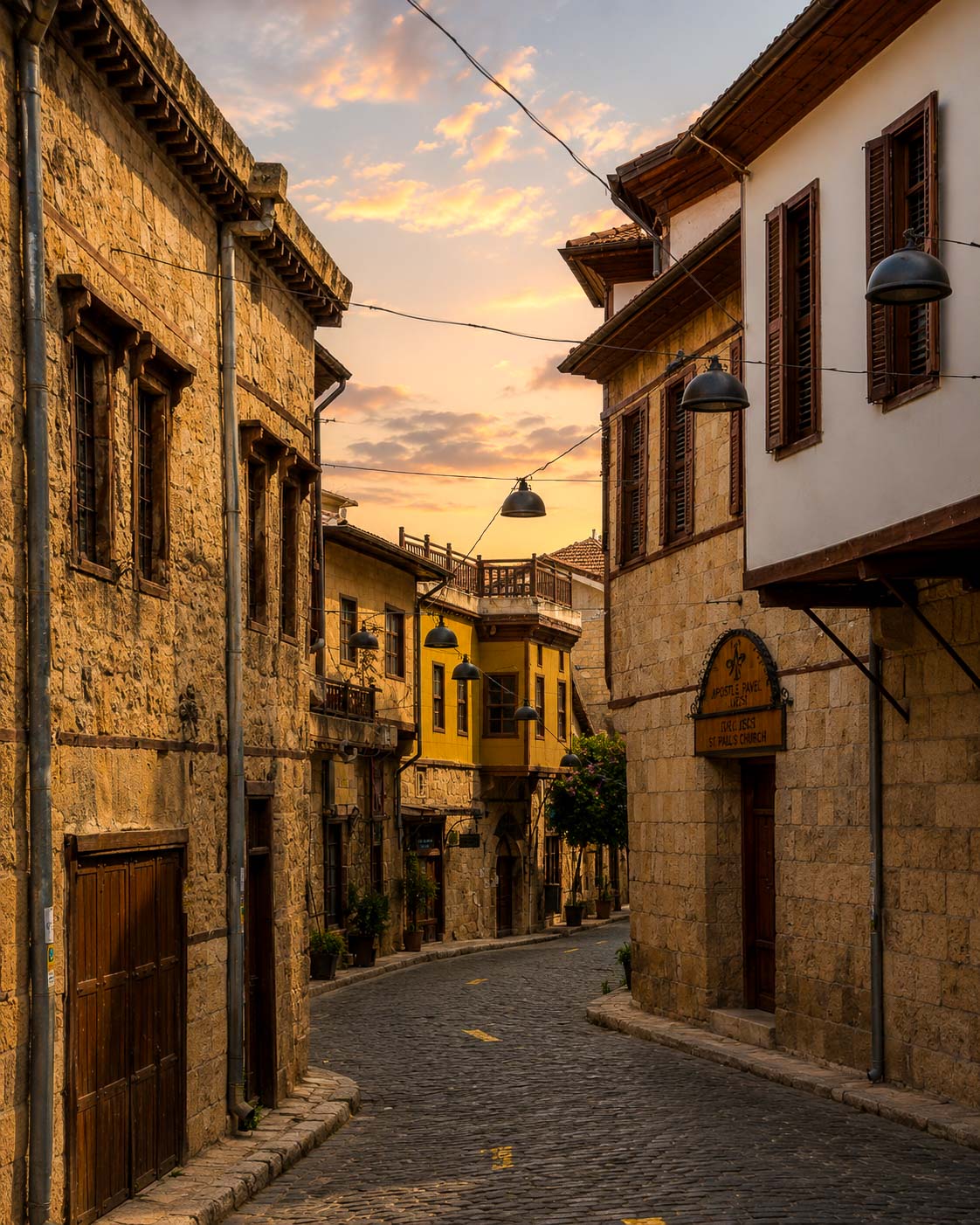
The birthplace of Saul of Tarsus (St Paul), one of the founders of Christian theology, and a city of continuous significance from the Hittite period through the Roman, Byzantine and Ottoman eras. Cleopatra's Gate, the monumental entrance through which she passed to meet Mark Antony in 41 BC, survives on the eastern side of the old city. The Şelale (waterfall) in the city park has been a gathering place since antiquity. The old bazaar area has character and the early Christian church tradition makes the city a significant stop on pilgrimage circuits. 30 km east of Mersin.

05
Cennet ve Cehennem caves

Cennet ve Cehennem Caves

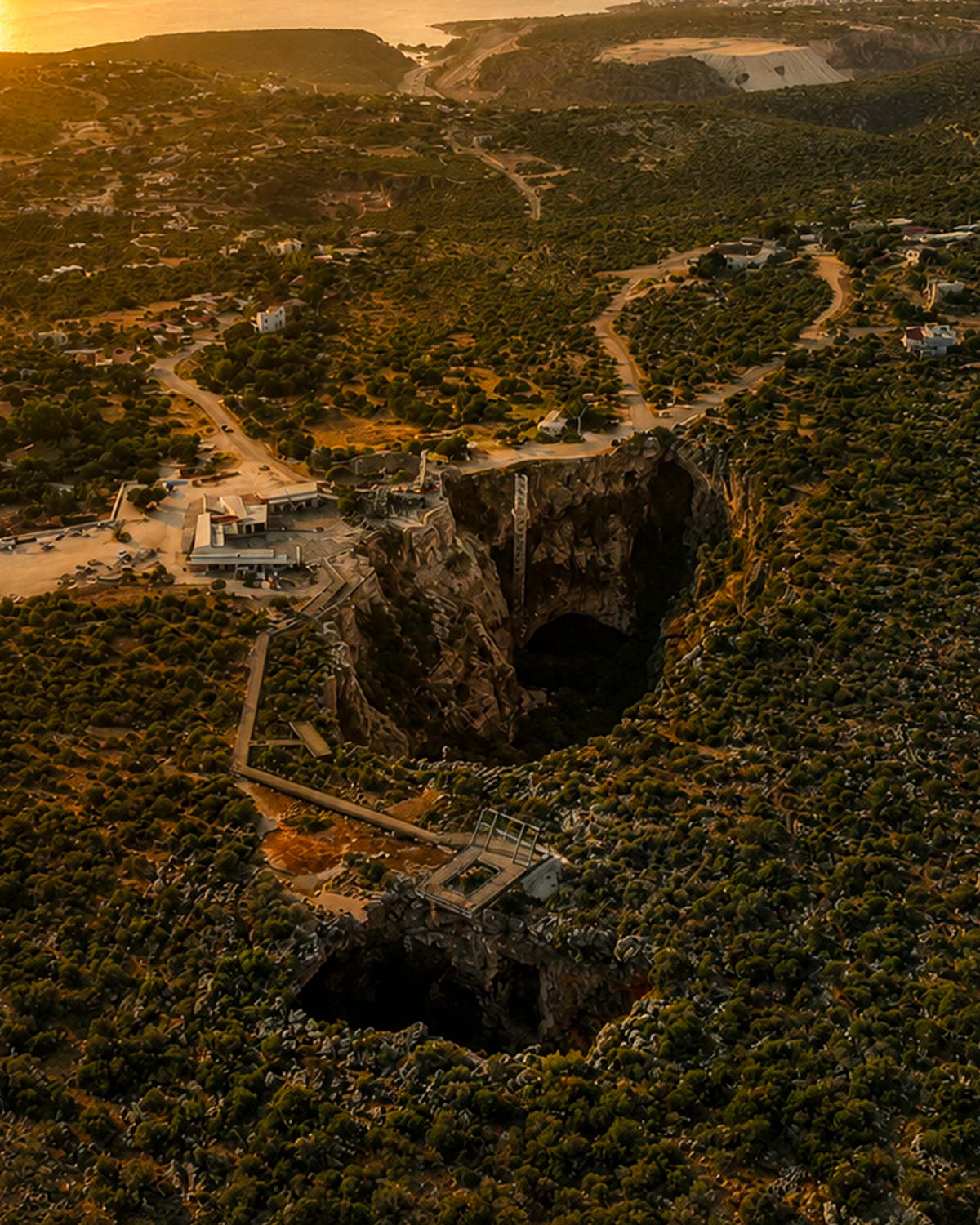
Two enormous sinkholes a short drive west of Kızkalesi near Narlıkuyu, formed by the collapse of limestone caverns, among the largest karst collapse features in the eastern Mediterranean. The "Heaven" sinkhole (Cennet) is about 250 metres long and 70 metres deep, with a Byzantine chapel and a cave extending further underground containing a freshwater spring sacred since antiquity. The "Hell" sinkhole (Cehennem) is a vertical shaft too steep to descend. The site is within the Narlıkuyu coastal area and can be combined with a visit to Kızkalesi in the same day.

07
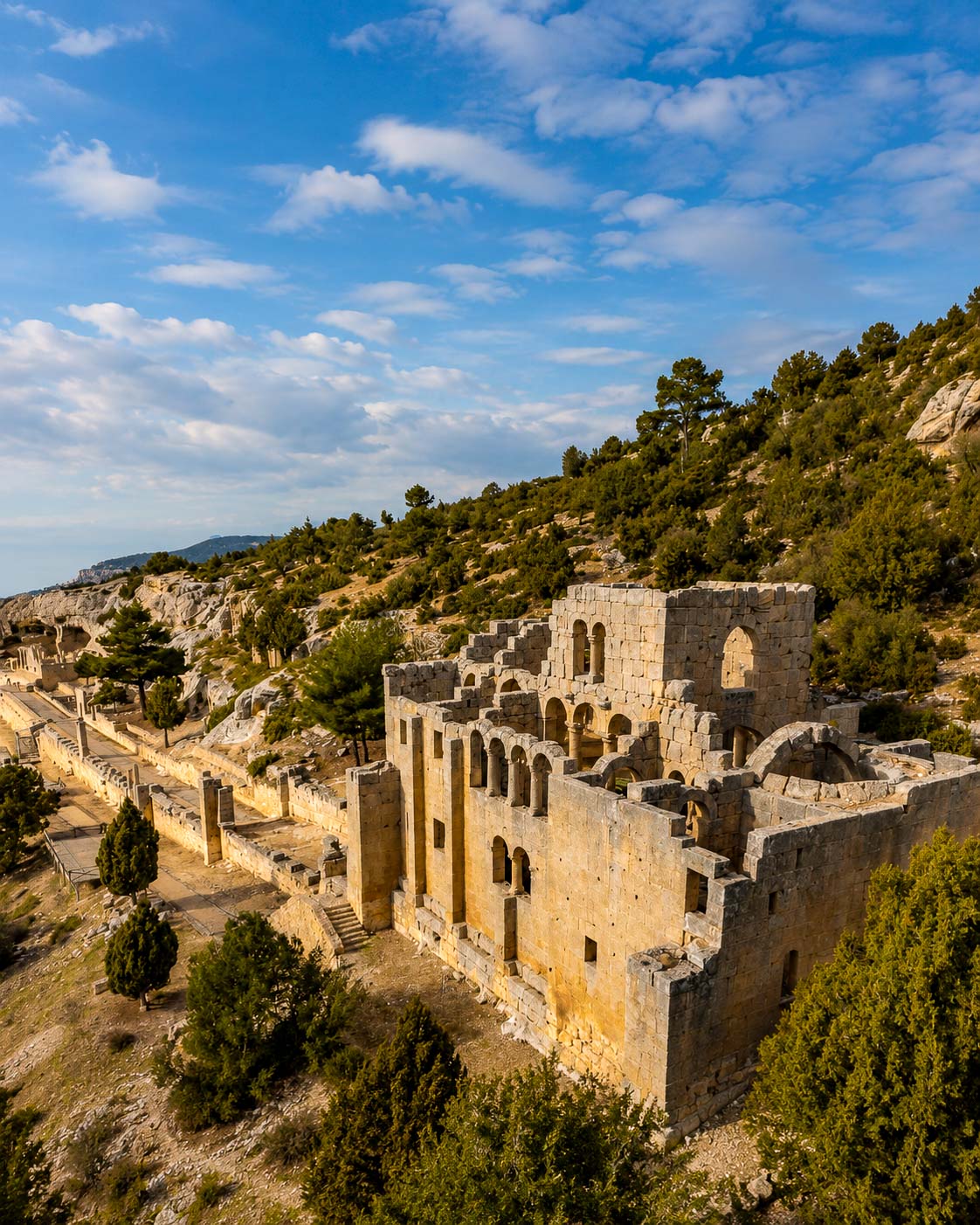
Alahan Monastery

Alahan Monastery

A 5th-6th century Byzantine monastery in the Taurus Mountains above the Goksu Valley, 120 km north of Mersin. The basilica and eastern church retain elaborate carved stonework of exceptional quality, visited rarely enough to be often entirely deserted.

02
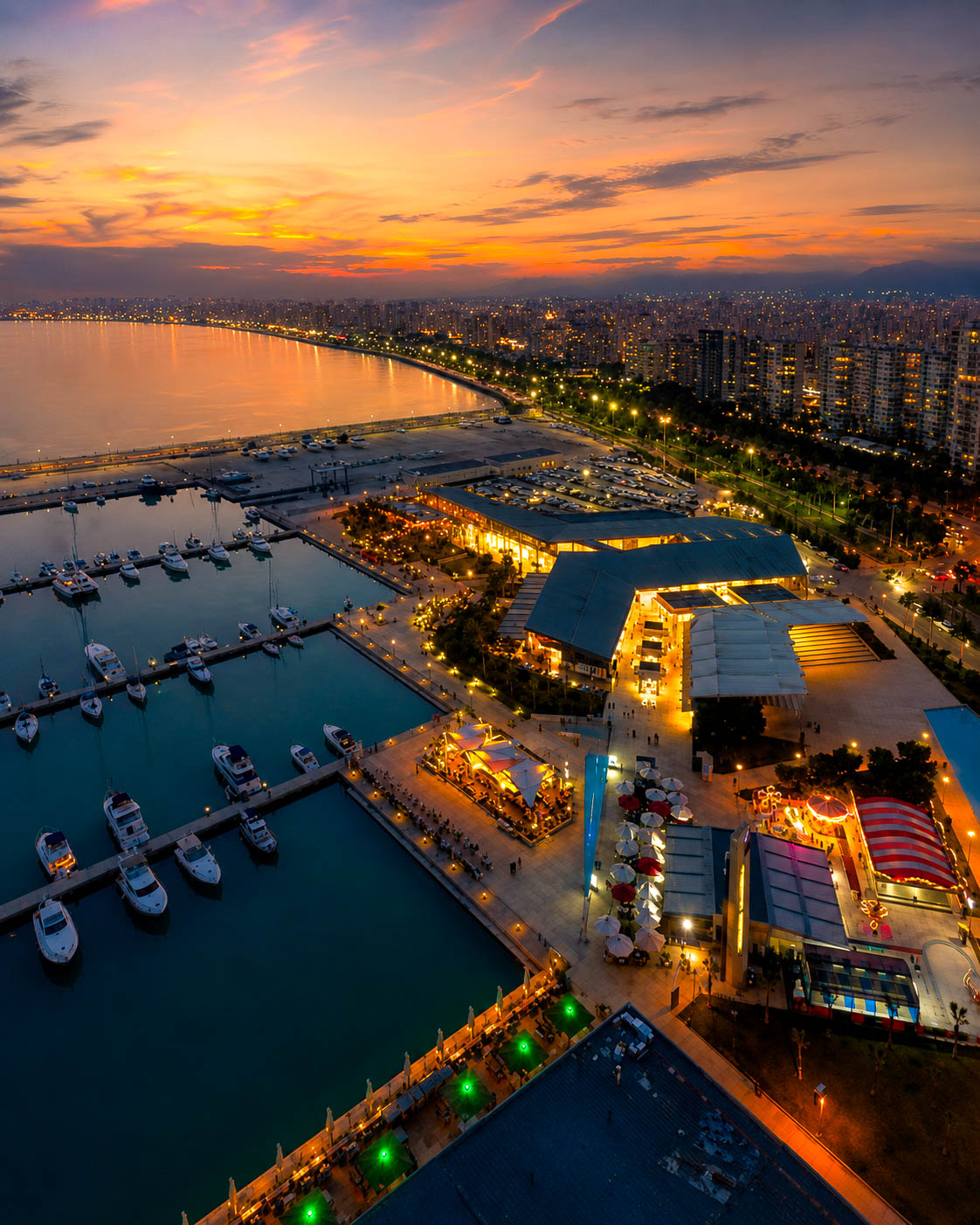
Mersin Marina

Mersin Marina

A modern marina and waterfront promenade on the eastern edge of the city, with yacht moorings, palm-lined walkways and a long row of cafes and seafood restaurants. The best place in central Mersin for an evening walk, sunset over the Mediterranean and dinner on the water. Lively until late on summer nights, with families, joggers and locals out for the cool breeze from the bay.

04
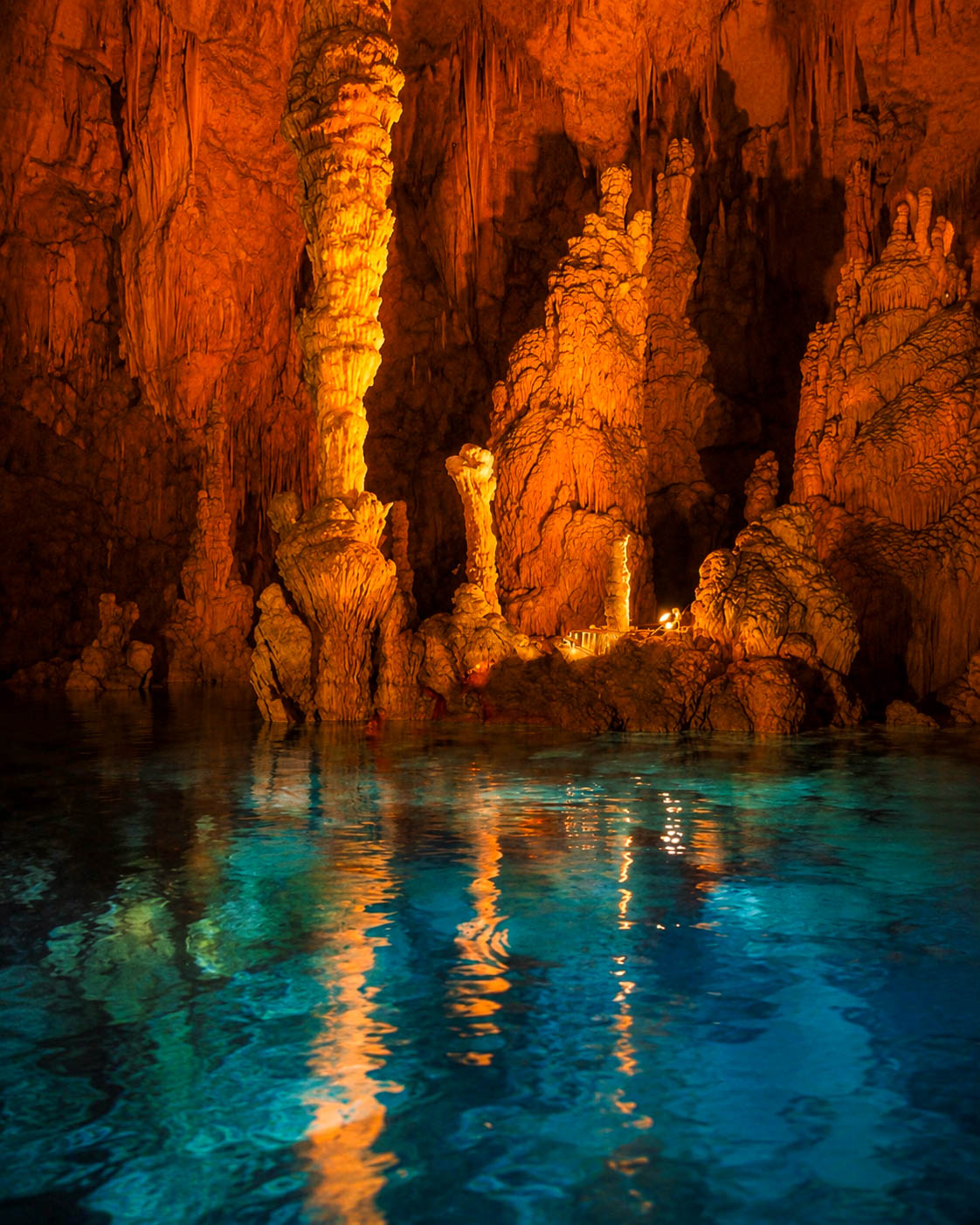
Gilindire Cave

Gilindire Cave

A long karst cave on the coast near Aydıncık, opened to visitors with a wooden walkway and lighting that runs deep into the rock. Stalactites and stalagmites in unusual formations, a large underground lake reached at the end of the route, and a constant cool temperature that makes it a welcome stop in summer. Rarely crowded, with views over the Mediterranean as you come back out into the light.

06
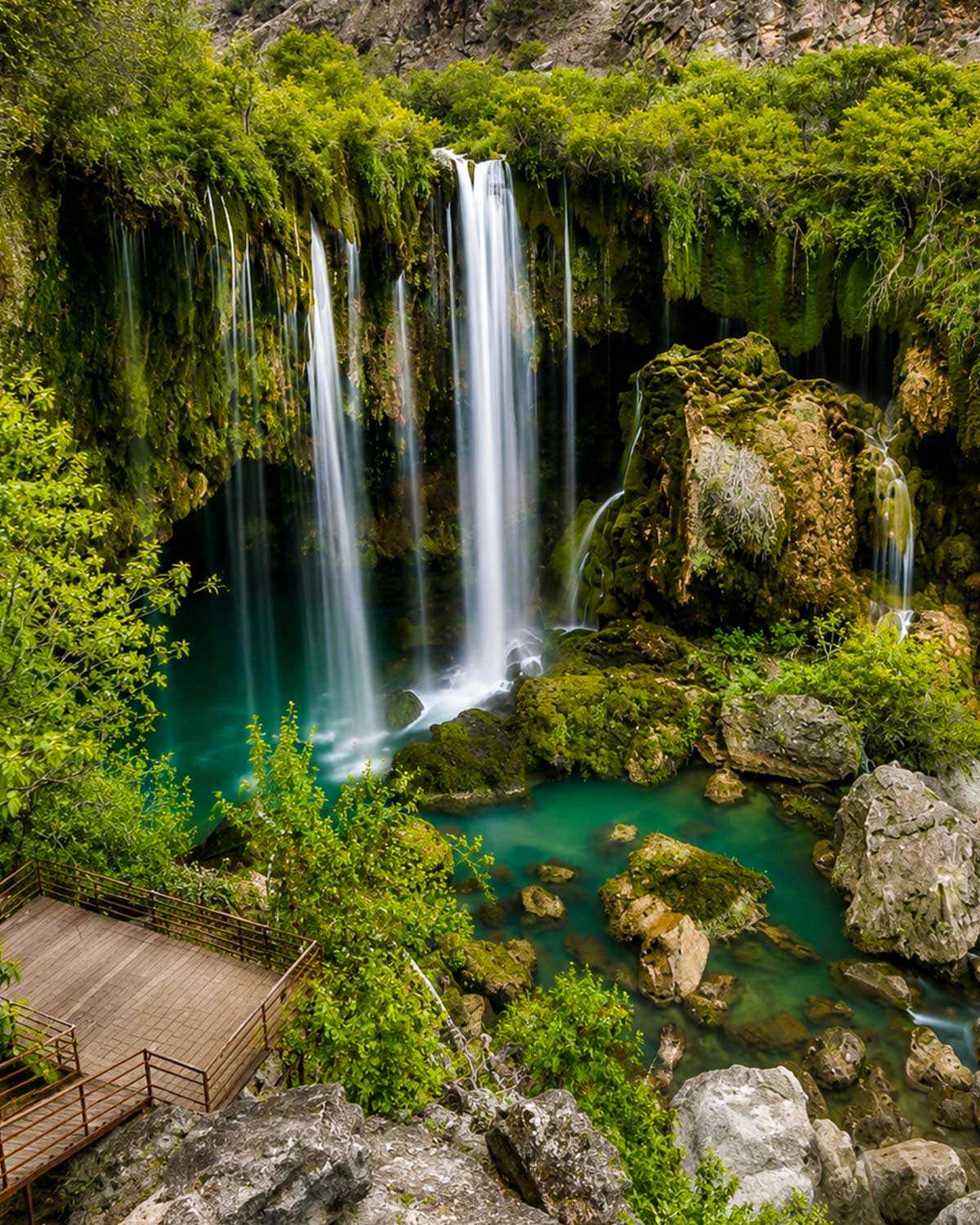
Yerkopru Waterfall

Yerköprü Waterfall

A natural waterfall on the Göksu river inland from Silifke, where the river briefly disappears underground and re-emerges through limestone to drop into a pool of cold, clear blue water. A short path from the parking area leads to a viewing platform; a few simple riverside cafes serve trout under the trees. A cool, green stop on a coastal day, especially in the heat of summer.

08
Anamur Castle

Anamur Castle

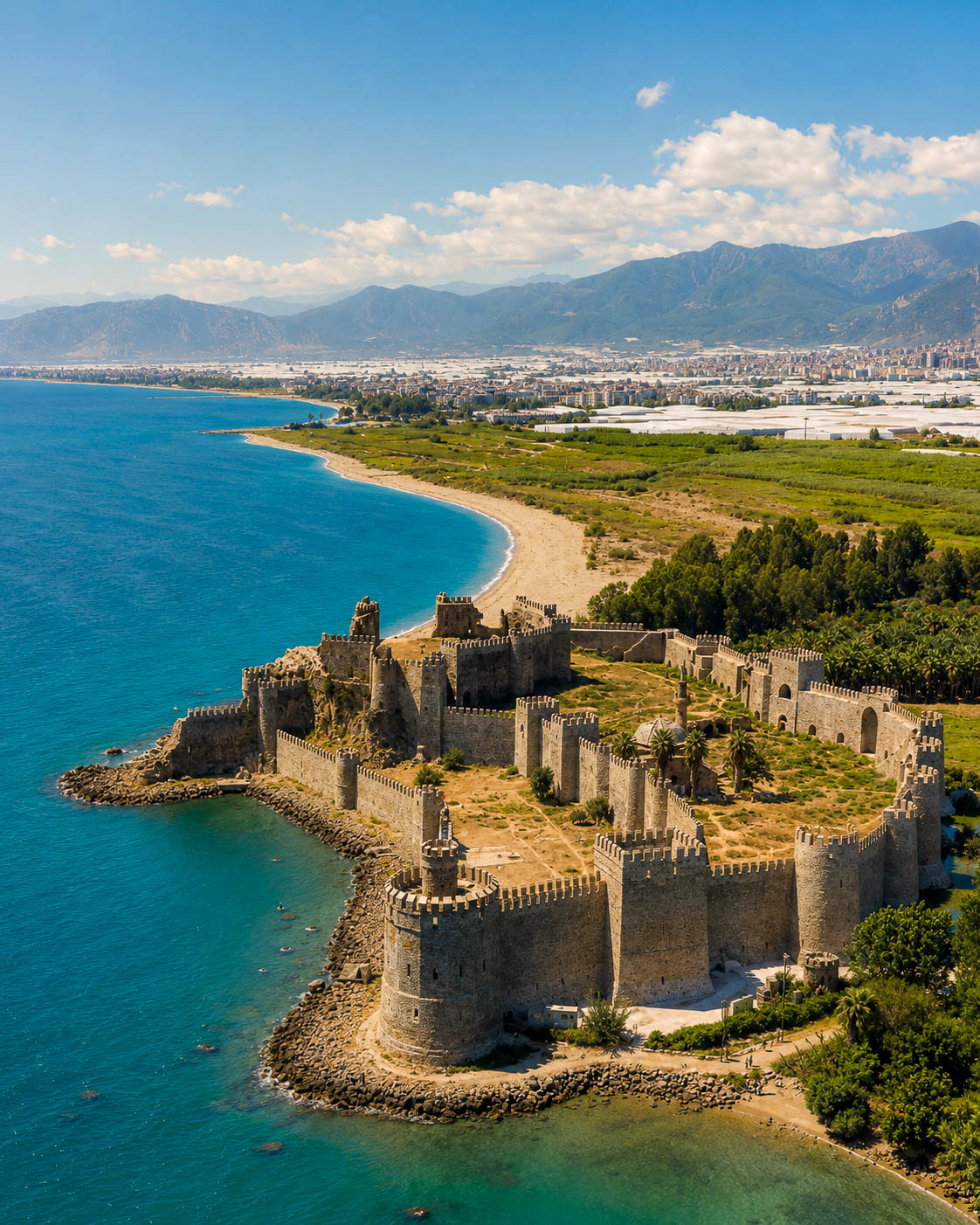
A medieval coastal castle at the southernmost tip of Anatolia, on a promontory between the Mediterranean and a small beach. 39 towers and bastions, three courtyards and a moat filled by the sea at high tide. One of the best-preserved coastal fortifications in Turkey, built on Roman foundations and rebuilt over the Byzantine, Armenian Cilician, Karamanid and Ottoman periods.

Next · Food and Cuisine ↓ continue reading
Local Cuisine Mediterranean Table

Food and Cuisine

Mersin's food is a port city synthesis: Mediterranean seafood, southern Anatolian kebab culture, Arab-influenced meze tradition and the citrus of the coastal orchards all present simultaneously. Cezerye, a carrot and coconut confection that is Mersin's signature sweet, is found nowhere else in Turkey in its original form.

Mersin Signature
Cezerye

A confection of caramelised carrot cooked with sugar and mixed with shredded coconut and ground nuts, the defining sweet of Mersin, found in this form only in this city. It is sold at the city's pastry shops and at the bazaar market wrapped in coconut flakes. The texture is dense and chewy, the flavour intensely sweet with a coconut aromatic note. Take a box home, it keeps well and travels without damage. This is a genuinely regional product with no equivalent elsewhere in Turkish confectionery.

Port City
Tantuni

A Mersin street food: thinly sliced beef or lamb cooked on a copper griddle (sac) with onion, tomato and cumin, then wrapped in thin lavaş with parsley and lemon. The correct tantuni is made from beef not lamb, on a curved copper pan with lard for cooking fat, and eaten immediately from the wrapper. Found at dedicated tantuni restaurants and street carts throughout the city. Inexpensive, fast, filling. The classic lunch of a working Mersin neighbourhood. Order two and eat standing at the counter.

Southern Spread
Humus

Mersin's humus tradition reaches further south than the Aegean or central Anatolian versions: heavier on tahini, finished with cumin and chilli-infused butter, often served warm rather than cold. The dedicated humuscus in the city centre - several with multi-generational histories - serve it as a standalone meal with pickled vegetables and warm bread. The texture is rougher than the Levantine versions, with more whole chickpea visible. A breakfast and lunch food rather than a meze.

Pistachio Cookie
Kerebiç

A semolina cookie filled with crushed pistachios and topped with a sweet white foam made from chöven (soapwort) root - a traditional emulsifier specific to the region. The cookies are shaped, baked and then finished at the table with the foam, which is whipped to a stable consistency just before serving. A Mersin and southern speciality, distinct from anything in the central Anatolian dessert repertoire. Found at the traditional pastry houses in the city centre, particularly during Ramazan.

Pit Kebab
Tarsus Kebabı

From the Tarsus district east of Mersin: lamb shoulder cooked slowly in a closed pit oven with onions and minimal seasoning, served in heavy slices with the rendered juices. The Tarsus style favours longer cooking and less spice than the Adana tradition - the result is more pronounced lamb flavour and tender meat. The traditional kebab houses along the historic centre of Tarsus, several with century-long operations, serve the reference versions.

Thimble Soup
Yüksük Çorbası

A celebratory soup of tiny manti-like dumplings - 'yüksük' meaning thimble for their size - shaped by hand by the bowlful, simmered in a meat broth with garlic and chickpeas, finished with mint butter. A Mersin and broader Çukurova specialty served at weddings and family gatherings. The labour of shaping the dumplings is what limits its presence in restaurants - the smaller and more uniform they are, the higher the regard. Listed at the traditional lokantas during winter and on special menus.

Where to Eat

Recommended Restaurants

Mersin's signature tantuni and Tarsus's beloved humus, kebab and cezerye houses, plus the kerebiç pioneer and a riverside breakfast spot at the Tarsus waterfall

Memoş Tantuni
★★★★ 4.2 (3,200+ reviews)

A central Mersin favourite for tantuni, the city's signature street food: finely chopped lamb sautéed on a hot sac with tail fat and spices, then wrapped in thin lavaş with parsley, onion and lemon. Memoş has done it for decades, with a friendly counter, a kick of chilli and house yoghurt on the side. Eat one, then probably another.

Tantuni
Kervan Humus (Tarsus)
★★★★ 4.2 (3,700+ reviews)

The headline humus address in Tarsus, the regional capital of the dish, doing it warm, generous and rich with tahini, butter and roasted chickpeas. Variations include pastırma, kavurma and sucuk, paired with the small, thin-crust fındık lahmacun. Quick service, fair prices and a steady local crowd in the bazaar.

Warm humus and fındık lahmacun
Kerebiççi Hayri Usta
★★★★ 4.2 (330+ reviews)

The address that put kerebiç on the map. Hayri Usta started selling these small semolina-and-pistachio cookies from a cart in the 1960s, then opened the Kiremithane shop where the family still works today. Served with soapwort foam (çöven kaymağı) on the side, which is part of the experience. Take a box home as the city's traditional gift.

Kerebiç and çöven foam
Yeşilova Kebap Salonu (Tarsus)
★★★★★ 4.4 (500+ reviews)

A small place with a green back garden in central Tarsus, locally rated as the best kebab spot in town. Tarsus kebabı, fındık lahmacun and humus on the same table, plus simple grilled lamb and chicken from the wood fire. Fair prices, fast service and a quiet courtyard for hot afternoons.

Tarsus kebabı and fındık lahmacun
Cezeryeci Kadir
★★★★ 4.4 (500+ reviews)

A small confectioner on Gazi Mustafa Kemal Boulevard in Pozcu, widely cited as the best cezerye in Mersin. Slow-cooked carrots, walnuts, hazelnuts and pistachios pressed into the dense, chewy bars the city is known for. Vacuum-packed boxes for travellers; tradition says you never leave Mersin without one.

Cezerye
Kiremithane
★★★★★ 4.5 (500+ reviews)

A more polished modern restaurant in a beautifully restored old building in the Kiremithane quarter, blending Mediterranean and Lebanese influences with the local Mersin pantry. Long meze list, smoked aubergine and full borani, slow-cooked meats and a fair wine selection. Garden tables in warm weather, attentive service. A good place for a longer evening meal.

Mediterranean and Levantine meze
Tarihi Kubbe (Tarsus)
★★★★★ 4.6 (120+ reviews)

A tiny breakfast and coffee spot tucked into the Tarsus old bazaar, run by a friendly owner who serves a slow Turkish breakfast under the trees. The menengiç coffee and the herbal reyhan şerbeti are the things to order, alongside manti and içli köfte for a fuller plate. As much about the unhurried atmosphere as the food.

Tarsus breakfast and menengiç coffee
Şelale Otağı (Tarsus)
★★★★ 3.9 (2,100+ reviews)

A large garden restaurant right next to the Tarsus waterfall, with shaded tables along the river and the sound of falling water as the backdrop. The Turkish breakfast spread is the headline order, alongside saç kavurma and grilled meats. Touristy but genuinely beautiful, and the natural setting is hard to beat on a hot day.

Breakfast by the waterfall
Experiences

Things to Do

01
Kızkalesi by Rowboat

The island castle is reached by a 5-minute rowboat trip from the beach, operated by local boatmen for a small fare. Walk the full perimeter of the island walls, climb the towers, and look back at the mainland Korykos fortress directly opposite across a channel of about 500 metres. The two castles together, with the Mediterranean behind them, constitute one of the most photographically complete medieval maritime sites in Turkey. The best light is in the morning, go at 09:00 when the castle opens and before the tour groups from Mersin arrive. The boat operators on the beach are informal; negotiate a return time.

02
Uzuncaburç Ancient City

The 30-km drive from Silifke north into the Taurus foothills to Uzuncaburç passes through pine forest and reaches the ancient city at around 1,180 metres altitude. The Temple of Zeus Olbios, one of the best-preserved Hellenistic temples in the world, is the centerpiece, with 30 of its original columns standing in a mountain village setting of complete improbability. The site is lightly visited, free of crowds and genuinely astonishing. Allow 2 hours at the temple and ruins. Combine with Silifke fortress and museum on the same day. Take the D-715 from Silifke.

03
Coastal Drive: Mersin to Kızkalesi

The coastal road west from Mersin to Kızkalesi (80 km) passes through citrus orchards, small fishing villages, ancient sites and stretches of undeveloped Mediterranean coastline. Stop at Cennet ve Cehennem (Heaven and Hell sinkholes) en route, visit the Narlıkuyu mosaic floor from a 4th-century Roman bath house, swim at Kızkalesi beach, take the rowboat to the island castle. Return to Mersin in the evening via the same road or via the inland D-400. This circuit covers the greatest concentration of attractions in Mersin Province in a single day.

Day Trips

75 km east, about 1 hr
Adana

Mersin and Adana function as a natural pair, two large working cities with distinct characters that complement each other. Adana has the kebab culture, the Roman stone bridge and the Çukurova agricultural landscape; Mersin has the port seafood, the coast and the western ancient sites. The expressway between them takes under an hour. A combined Mersin and Adana itinerary, with Kızkalesi and the coastal sites from a Mersin base and a kebab lunch day trip to Adana, covers both cities efficiently.

120 km west, about 2 hrs
Yerköprü Waterfall

An inland day from the coast to the Göksu valley above Silifke, where the river briefly disappears underground and re-emerges through limestone to drop into a pool of cold blue water. A short trail leads to the viewing platform and a few riverside cafes serve trout under the trees. Easy to combine with Silifke fortress, the Uzuncaburç temple city up in the Taurus and a lunch stop on the way back to the coast.