Southeastern Anatolia, Turkiye

Sanliurfa

The city of the prophets, home to the oldest temple on Earth

Scroll
Region Southeastern Near the Syrian border
Best Season Mar to May Summers are scorching
Known For Göbeklitepe Harran, prophet Abraham
Airport GAP (GNY) 35 km from the city centre
Why Visit

Şanlıurfa

An ancient city on the edge of Mesopotamia, where 12,000-year-old Göbeklitepe sits a short drive from the prophet Abraham's legendary birthplace, fish-filled sacred pools and the beehive houses of Harran.

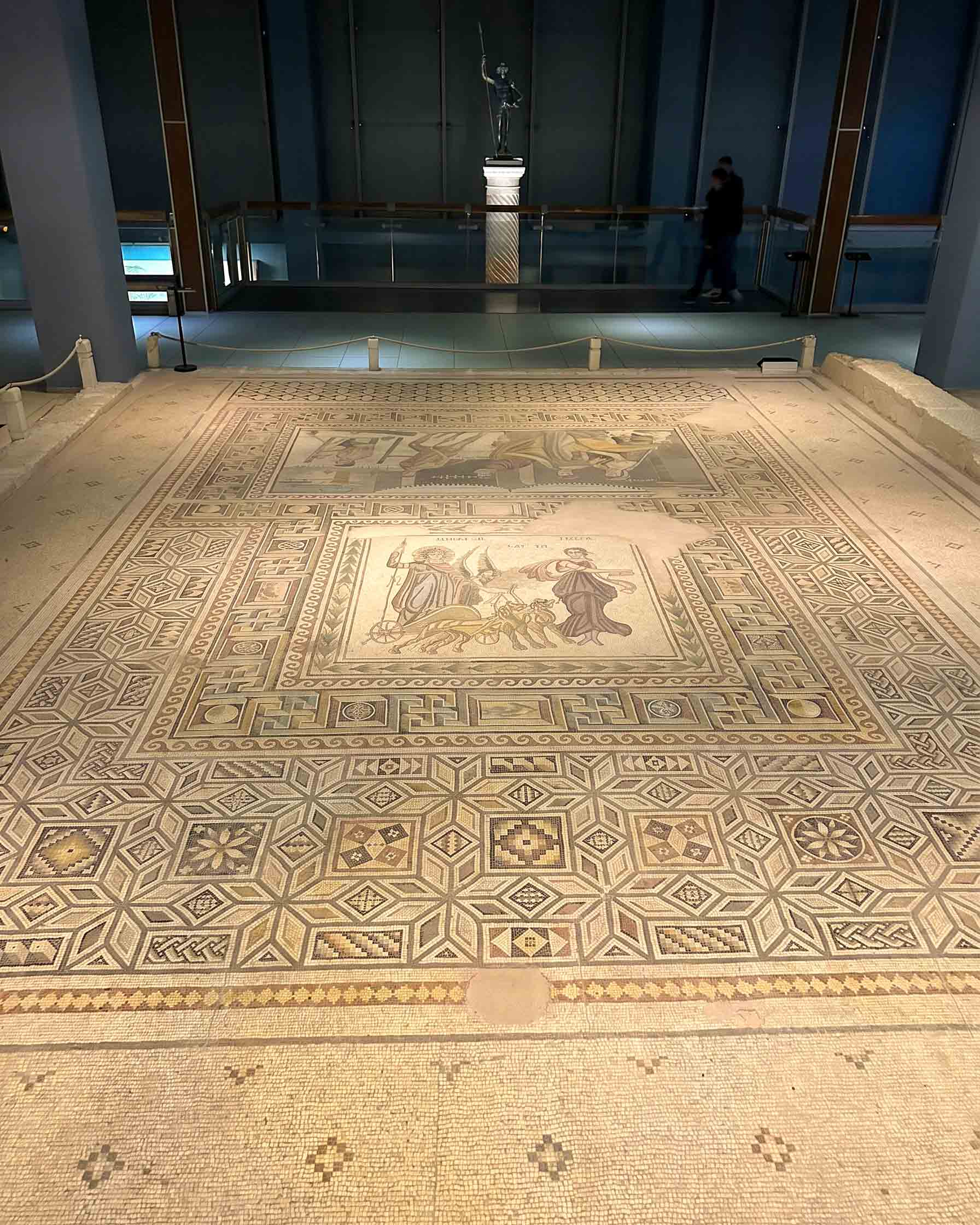
The deep anchor is Göbeklitepe, the 11,000-year-old hilltop sanctuary whose carved T-shaped pillars rewrote the timeline of human civilisation when they were uncovered. In the city itself, Balıklıgöl, the sacred carp pool where tradition says Abraham was thrown into the fire by King Nimrod, sits in a garden of stone arcades and Ottoman mosques. The 19th-century citadel rises directly behind it. The Şanlıurfa Archaeology Museum and the adjacent Haleplibahçe Mosaic Museum together hold the original Göbeklitepe finds and one of the richest collections of late-antique mosaics in Turkey.

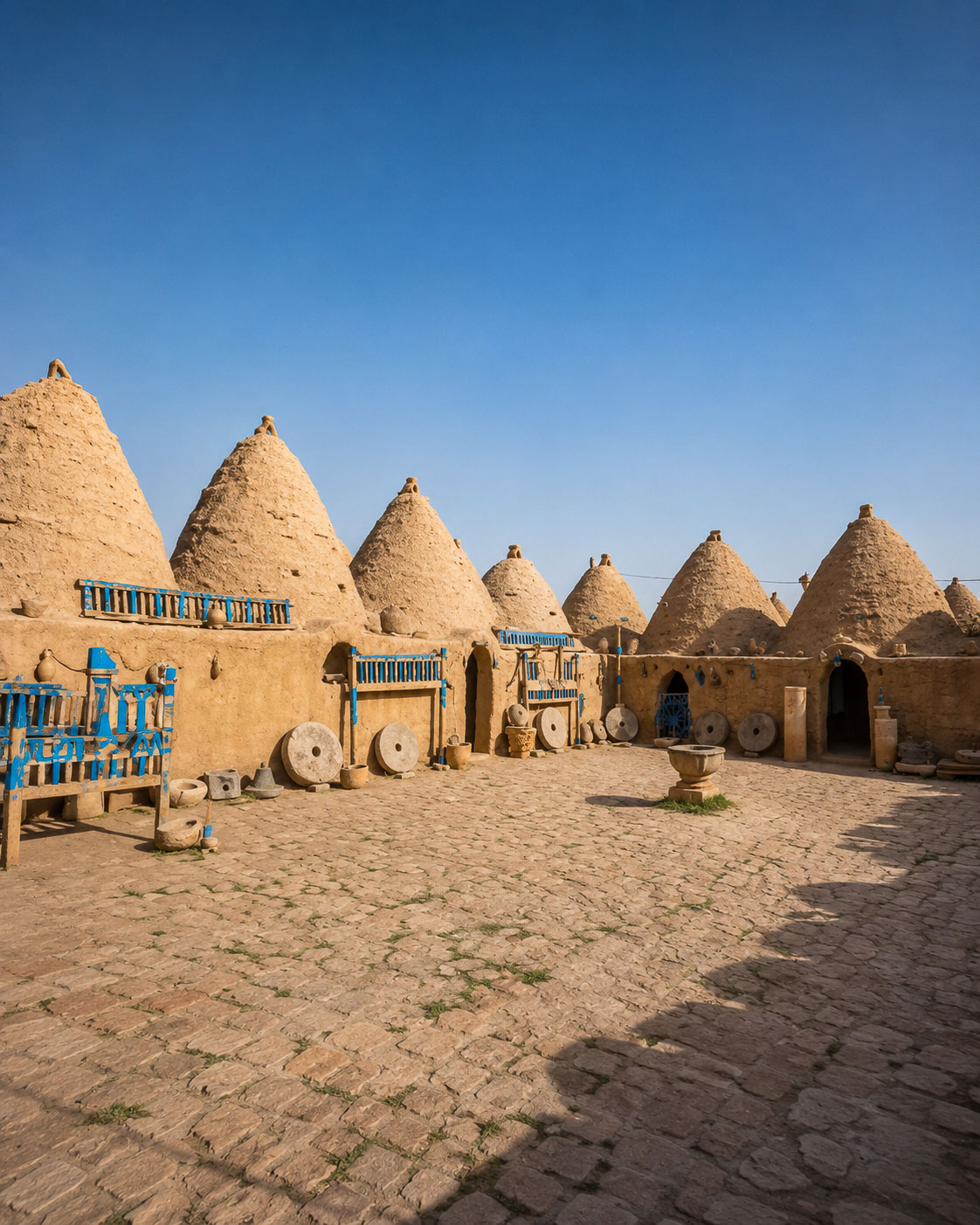
Beyond the city, the province opens onto landscapes that look almost biblical: Harran, with its conical mud-brick beehive houses, the ruins of one of the world's oldest universities and a centuries-old caravan culture; Halfeti, the half-submerged village on the Euphrates reached by boat through still green water; and the wider Mesopotamian plain that produced isot pepper, raw çiğ köfte, pistachio katmer and the bitter mırra coffee Urfa pours into hand-held cups. A different Turkey, in food, architecture and time.
Places to Visit in Şanlıurfa · Eight Anchors

Where you actually go in Şanlıurfa.

Eight places worth your time. Tap a photograph, the map will follow.

01
Gobeklitepe

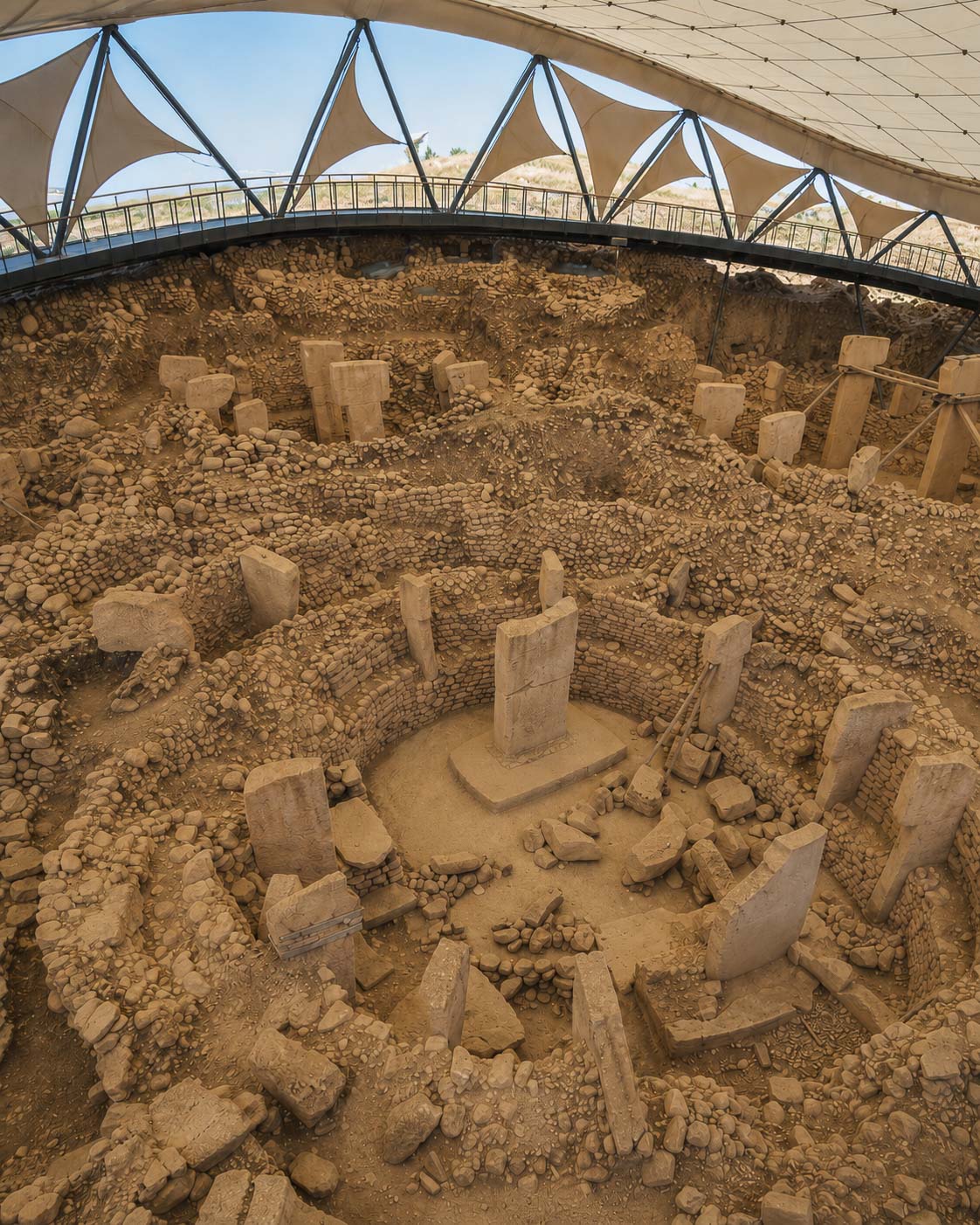
Göbeklitepe

The oldest known monumental temple complex on Earth, built 11,000 years ago by hunter-gatherers. T-shaped limestone pillars carved with animal reliefs, arranged in circles. UNESCO World Heritage, protected under a modern canopy. Twenty minutes outside Urfa.

03
Aynzeliha Lake

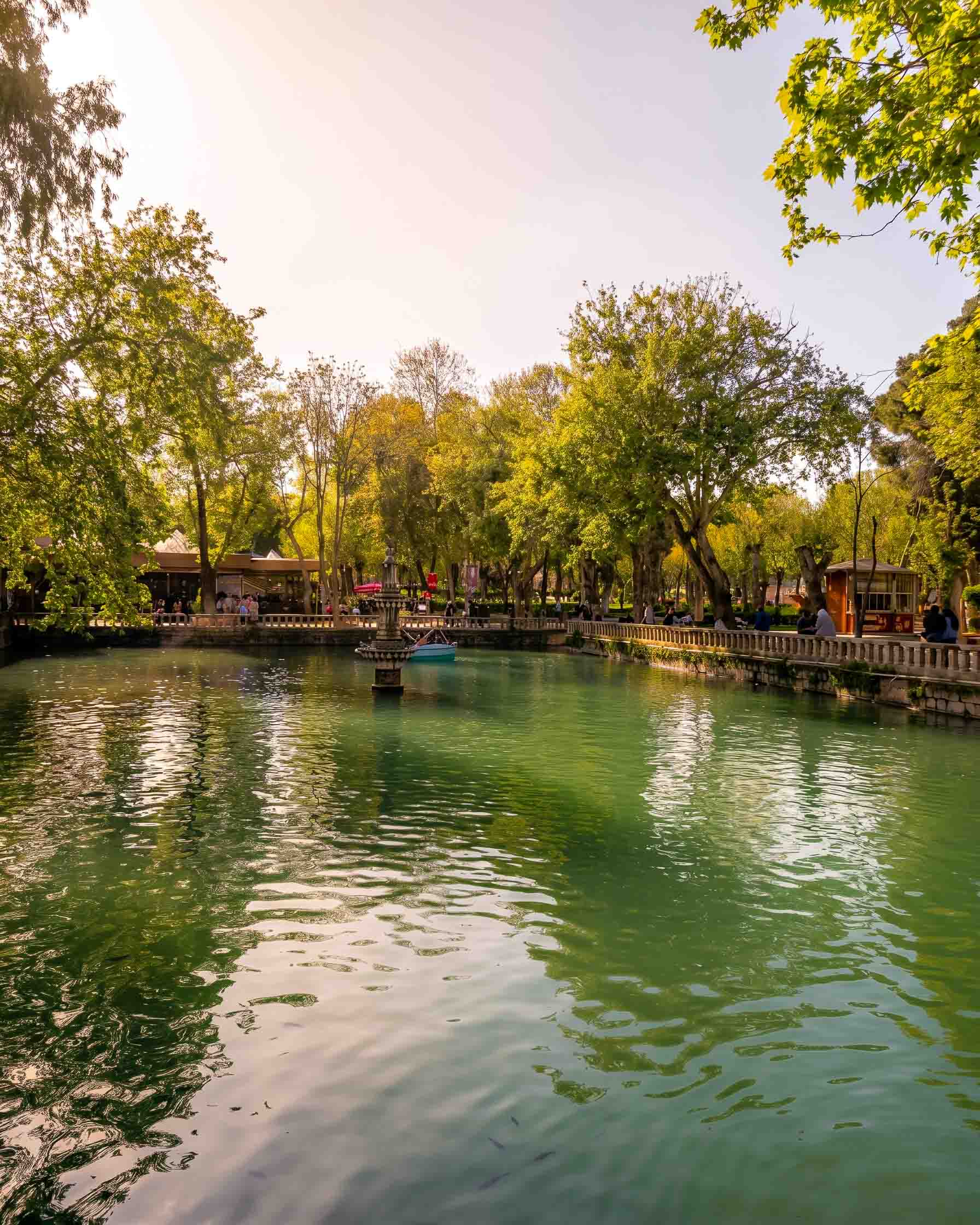
Aynzeliha Lake

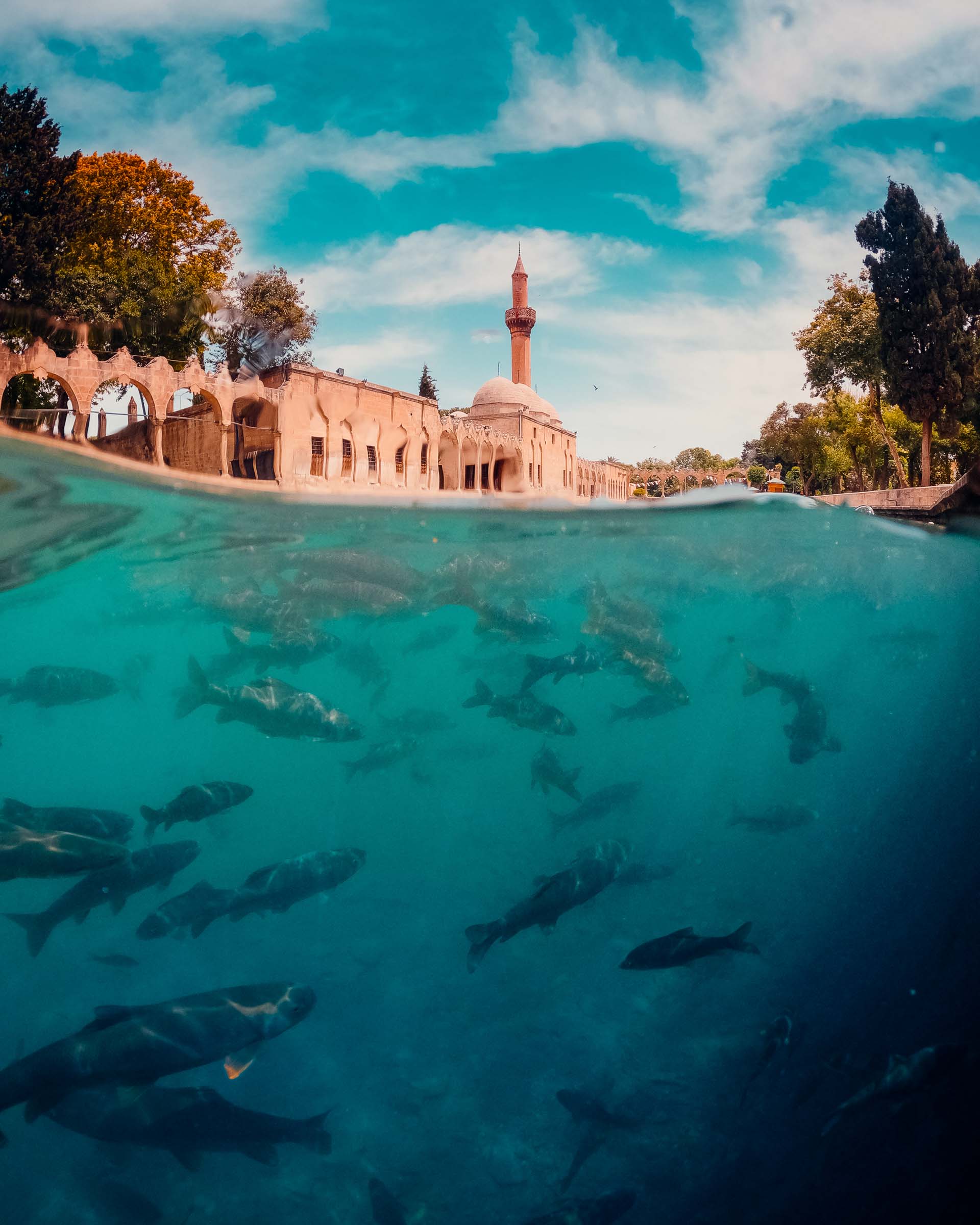
The second sacred pool of Balıklıgöl, lying directly below the citadel and surrounded by leafy gardens, tea houses and stone arcades. Tradition holds that the lake formed from the tears of Zeliha, daughter of King Nimrod, who fell in love with Abraham. Quieter than the main Balıklıgöl pool, it is a favourite spot for an afternoon glass of tea in the shade as the citadel walls rise straight from the water.

05
Harran

Harran

Fifty kilometres south of Urfa, near the Syrian border. The ruins of the ancient astronomy university of Harran, the beehive mud-brick village houses still inhabited, and the ruins of one of the oldest mosques in Anatolia. Half a day minimum.

07
Haleplibahce Mosaic Museum

Haleplibahçe Mosaic Museum

A purpose-built museum on the Haleplibahçe excavation site, displaying the late-antique floor mosaics in situ above the Roman villa they once decorated. The Amazon Queens mosaic and the Achilles series are the most extraordinary pieces, with fine detail, colour and movement preserved across centuries. A short walk from the Archaeology Museum next door, the two together make one of the strongest museum visits in the southeast.

02
Balikligol sacred carp pool

Balıklıgöl (Sacred Carp Pool)

Tradition places Abraham's miraculous survival of the pyre here, with the fish protecting him. Two peaceful pools filled with sacred carp, surrounded by 16th-century Ottoman mosques, arcades and gardens. A deeply atmospheric place at any time of day.

04
Sanliurfa Castle

Şanlıurfa Castle

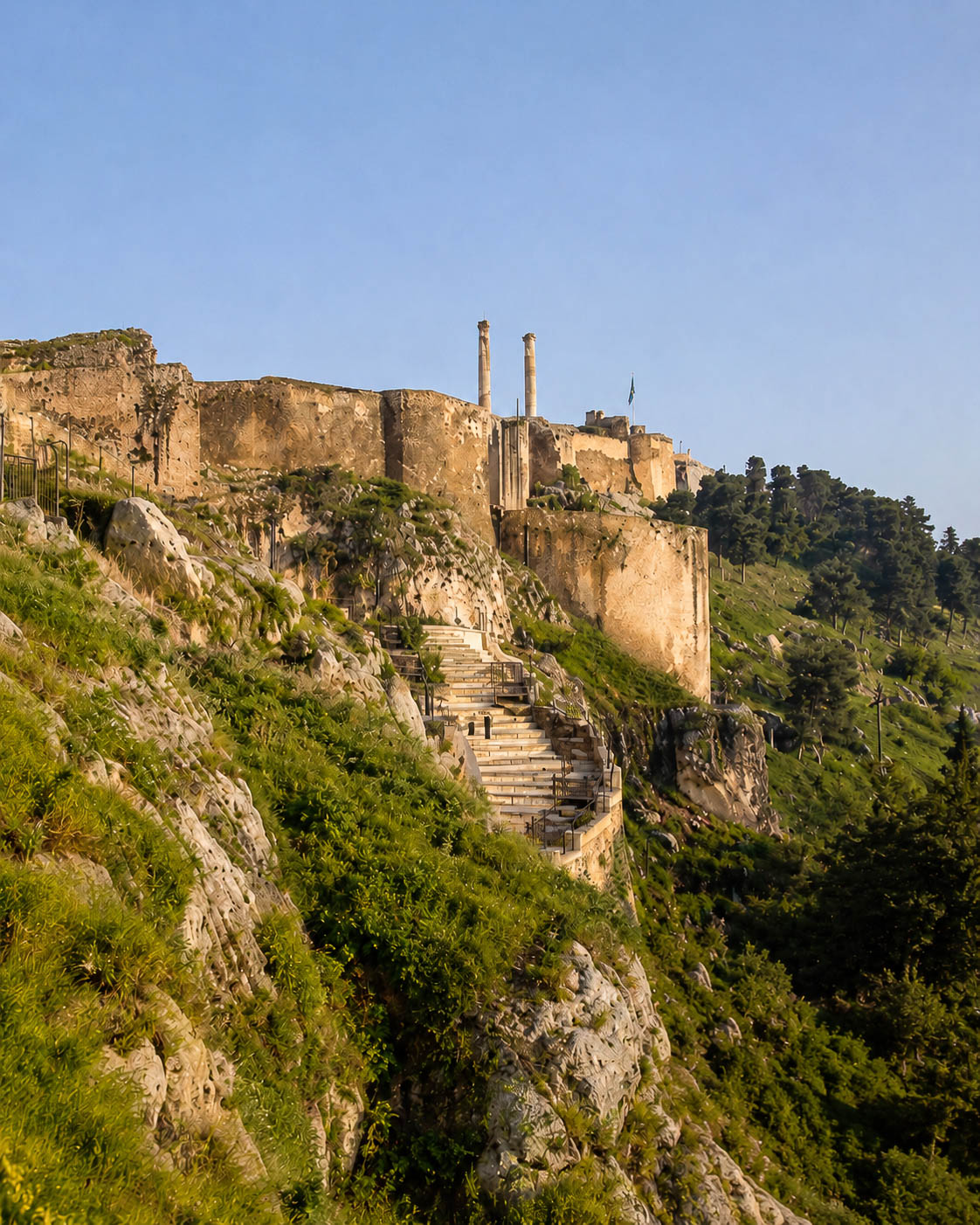
The ancient citadel on the hill above Balikligol, with the two famous Corinthian columns known as the Throne of Nimrod. Walk up for sunset views over the old city and the Mevlid-i Halil mosque. Cool breeze in the evenings.

06
Sanliurfa Archaeology Museum

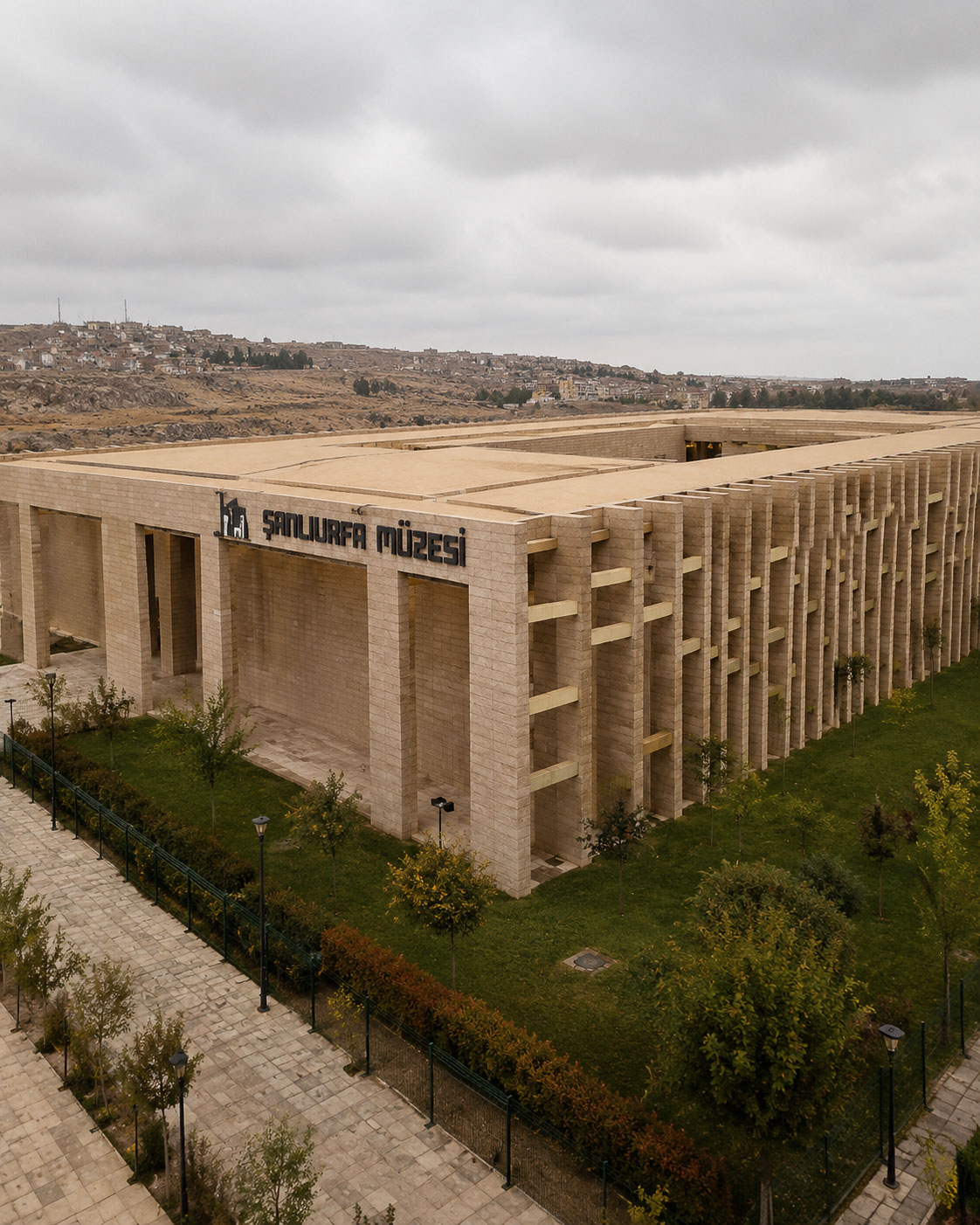
Şanlıurfa Archaeology Museum

One of the largest and most important archaeological museums in Turkey, opened in 2015 alongside the Haleplibahçe Mosaic Museum on the same campus. The headline gallery holds the original T-shaped pillars and the carved animal reliefs lifted from Göbeklitepe and Karahantepe, alongside an 11,000-year-old human statue, the Urfa Man, the oldest life-sized human figure ever found. Allow at least two hours; the museum is the natural companion to a Göbeklitepe visit.

08
Halfeti

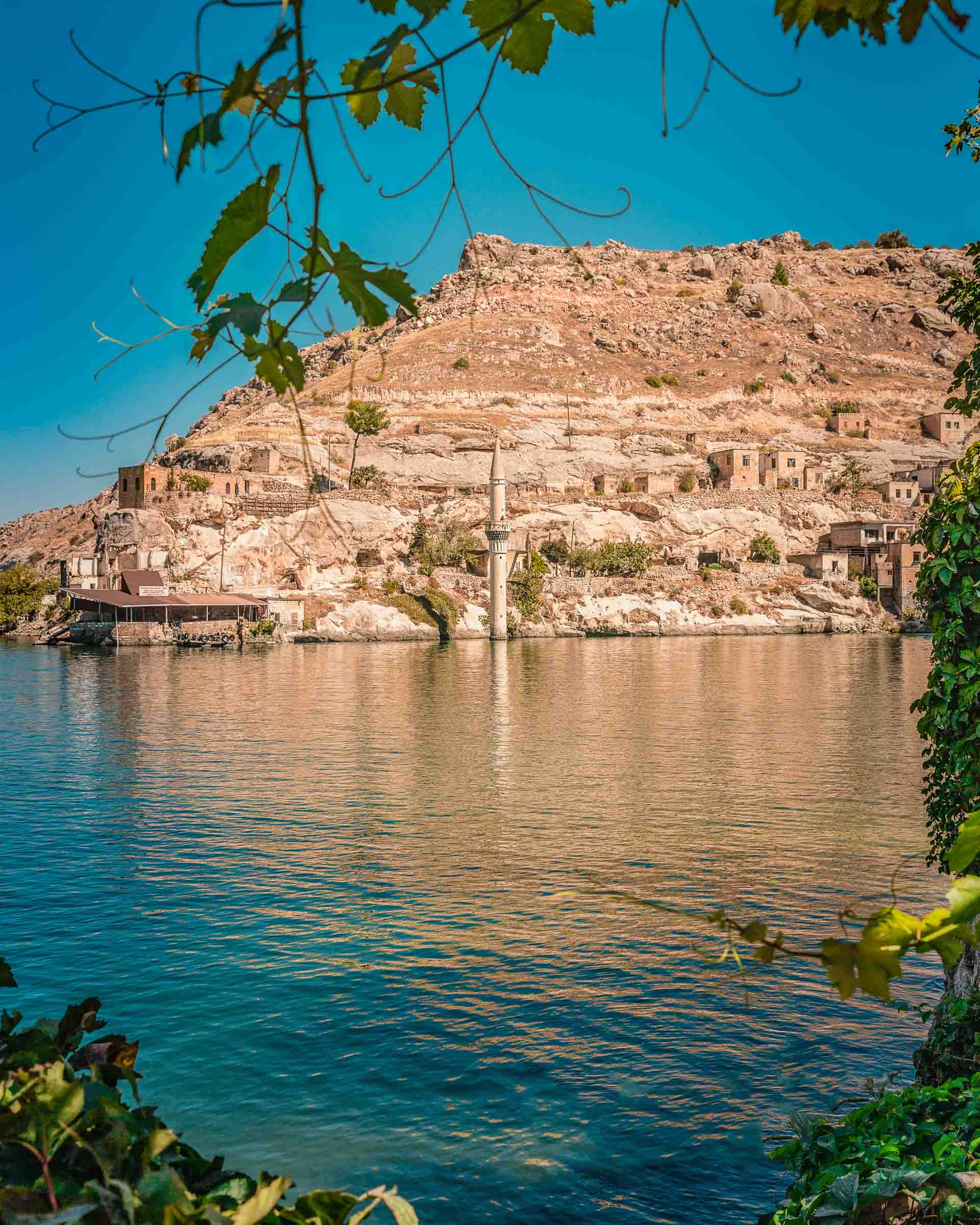
Halfeti

A half-submerged village on the Euphrates river, partially flooded by the Birecik Dam in 2000. Old stone houses, a minaret and a fortress now stand in the still green water and are reached by small boats from the new village above. The famous black roses that grow only here, and the cliff-top medieval fortress of Rumkale further upstream, are the highlights of a slow day on the water. Around 90 minutes drive west of Şanlıurfa.

Next · Food and Cuisine ↓ continue reading
Mesopotamian Table

Food and Cuisine

Urfa food is southeastern Anatolia at its boldest. Charcoal grills, hand-chopped raw meat, slow-roasted lamb, deep red spices and the mysterious smoky Urfa pepper flakes. Meals are communal, long and loud. Few cities in Turkiye take food more seriously than Urfa.

Raw Meat Ritual
Çiğ Köfte

Raw minced lamb pounded with bulgur, Urfa pepper, onion, parsley and a dozen spices, kneaded by hand for hours. Wrapped in lettuce with lemon. Traditional versions at a specialist like Haci Arif are unforgettable.

The Signature
Urfa Kebab

Skewers of hand-chopped lamb seasoned with salt and Urfa pepper, grilled over charcoal until the fat renders. Served on flatbread with grilled tomato, pepper and a pile of raw onion. Simple, and the benchmark for Turkish grilled meat.

The Flatbread
Lahmacun

A thin, crisp round of dough topped with a paste of minced lamb, Urfa pepper, tomato, parsley and a touch of garlic, baked in a stone oven for less than two minutes. Eaten by hand, squeezed with lemon, sometimes rolled around a few stems of parsley and onion. Şanlıurfa's lahmacun is darker and spicier than the central Anatolian versions, the Urfa pepper carrying the flavour. The dedicated lahmacuncus around the bazaar district fire ovens from late morning and the early afternoon queue is the indicator to follow.

Bitter Ceremony
Mırra coffee

An intensely bitter, twice-boiled coffee served in tiny cups without sugar across Şanlıurfa and the wider southeast. The beans are roasted dark, ground coarse, boiled, strained, then boiled again until the brew reduces and concentrates. Served at weddings, funerals, sıra geceleri and serious negotiations. The cup is never set down between sips, and the same cup passes from guest to guest with the server refilling at each round. A single sip is the polite minimum; a full cup is a commitment.

The Pepper
İsot pepper

The dark, almost black dried red pepper specific to Urfa, sun-dried by day and sweated under cloth by night until the colour deepens and the heat softens into something smoky and slow. Coarse-ground and folded into çiğ köfte, kebabs, lahmacun and pilafs across the region. The flavour is closer to a smoked paprika than a chilli, with a delayed warmth rather than immediate sharpness. Bought by the kilo at the bazaar and the essential souvenir to bring home from a trip to Şanlıurfa.

Pistachio Breakfast
Katmer

A thin, layered pastry filled with crushed Antep pistachio, kaymak and sugar, folded into a square and griddled until the layers are crisp and the kaymak is just melting. A southeastern breakfast tradition with Gaziantep generally claiming the most refined version, but Şanlıurfa's katmer houses produce theirs at a comparable level. Eaten hot, immediately, with a glass of strong tea. The thinness of the dough and the proportion of kaymak to pistachio are the technical markers.

Where to Eat

Where to Eat in Şanlıurfa

The Urfa kebab and ciğer institutions, the sıra gecesi konak evenings that define an Urfa night, and the famous Miroğlu künefe to finish

Cevahir Han
★★★★★ 4.4 (6,600+ reviews)

The headline traditional restaurant in Şanlıurfa, set in a restored stone han on Vali Fuat Caddesi with terraced courtyards that fill for sıra gecesi music nights in summer. Urfa kebab, sini tarağı (the lamb sharing platter), spread-style local breakfasts and a generous menu of regional specialities. Polished service with strong English from the floor staff. The most complete first night in Urfa.

Urfa kebab and sıra gecesi
Çulcuoğlu Baklava & Restaurant
★★★★ 4.1 (5,500+ reviews)

A large family-run kebab house on Recep Tayyip Erdoğan Bulvarı, equally famous for Urfa kebab and patlıcan kebabı and for the pistachio baklava that gives the place its name. Outdoor garden seating in warm weather and a separate dessert counter on the way out, where most people leave with a box. A reliable benchmark for the local kebab style.

Urfa kebab and pistachio baklava
Çardaklı Köşk
★★★★★ 4.4 (2,200+ reviews)

A stone konak in the Yeni Mahallesi quarter on the way up to Balıklıgöl, with carved arcades and a long sıra gecesi tradition. Patlıcan kebabı, içli köfte and the full mezze table arrive together before the main grills, accompanied most evenings by live folk music. Reservations are recommended in peak season.

Sıra gecesi and patlıcan kebabı
Gülizar Konuk Evi
★★★★ 4.3 (4,200+ reviews)

A restored Urfa konak on Divanyolu Caddesi that doubles as a small guesthouse, with a stone courtyard and a strong local reputation for the city's traditional sıra gecesi. The çiğköfte course is the address most locals cite as the best in town, served alongside Urfa kebab, künefe and the rich, bitter mırra coffee that closes the night.

Çiğköfte and sıra gecesi
Taşsaray Restaurant
★★★★ 4.3 (2,200+ reviews)

A large 24-hour kebab house next to the Governor's mansion on Adalet Caddesi, with attentive service and a long menu that runs from Urfa kebab through Siverek kebabı to kuzu tandır. The içli köfte and onion lahmacun are the orders to start with. Open through the night, useful for late arrivals from the airport.

Urfa kebab around the clock
Meşhur Ciğerci Aziz Ustanın Yeri
★★★★ 4.1 (1,800+ reviews)

A salaş ciğerci on a side street in Pınarbaşı, low wooden tables and tiny stools right in front of the grill, the place locals will tell first-time visitors to come for liver kebab. Thin skewers, small even pieces of lamb liver, fresh onion with sumac, parsley, mint and the city's acık ayran beside it. Open from before dawn. Cash, no fuss.

Ciğer kebabı from dawn
Sevgi Ciğer Salonu
★★★★ 4.0 (3,000+ reviews)

The cleaner, more polished side of the Urfa liver tradition, on İpekyol Bulvarı near the Governor's Mansion. The signature is ciğer şiş, with thin skewers and well-controlled char, alongside kuşbaşı kebabı and a tray of complimentary mezes that arrives at every table. Spacious dining room, attentive service, a good lunchtime alternative to the smaller liver places downtown.

Ciğer şiş and kuşbaşı
Miroğlu Kadayıf & Dondurma
★★★★ 4.3 (2,700+ reviews)

A small dessert shop and ice-cream maker on Emniyet Caddesi that the city consistently cites as its best künefe. The künefe arrives properly hot and crisp, threads of fresh kadayıf around stretchy local cheese soaked in light syrup. The plain dondurma and the billuriye are the things to add alongside. Better at the end of a long meal than as a meal in itself.

Künefe and traditional dondurma
On the Ground

Activities and Experiences

01
Gobekli Tepe Half Day

Go early morning to beat the heat. The modern visitor centre, the walkways around the T-pillars and the new Karahan Tepe site nearby. Hire a local guide for the best context, especially about the pre-agricultural origins of the temple.

02
Harran and Desert

A full day south of Urfa to Harran. The beehive mud houses, the ancient university ruins and, if the security situation allows, a view to the Syrian border. Lunch at Harran Evi. Dry, windy, and unforgettable.

03
Balikligol Evening

Go at sunset when the heat breaks and the gardens around the sacred pools fill with local families. Feed the carp, visit the mosques, then climb up to Urfa castle as the call to prayer echoes from a dozen minarets below. The moment that Urfa is all about.

04
Old City Walking

Half a day wandering the covered bazaar, stopping at Gumruk Hani for coffee, weaving through the stone-house neighbourhoods of Kara Meydan. Finish with a visit to the Urfa Archaeology Museum, where many Gobekli Tepe finds are displayed.

05
Sira Gecesi Night

A traditional Urfa evening with live saz, folk dances, a long spread of çiğ köfte and mezze, endless tea, and local storytelling. Cevahir Konuk Evi runs the most authentic versions. Go as a group if you can, more singing and more fun.

06
Karahan Tepe

The sister site to Gobekli Tepe, discovered more recently and still being excavated. About 40 kilometres from Gobekli Tepe, less crowded, with slightly different carvings. Often combined with Göbeklitepe on the same day tour.

Day Trips from Şanlıurfa

185 km East, about 2.5 hours
Mardin

The golden stone city on a hillside overlooking the Mesopotamian plain. Assyrian monasteries, narrow stone lanes, panoramic rooftop restaurants and some of the most beautiful courtyards in Turkiye. At least one overnight is essential.

150 km West, about 2 hours
Halfeti

The drowned village on the Euphrates, half-submerged after the Birecik Dam. Boat trips over stone houses and a minaret rising from the water. Also known for the rare black rose that grows only here. A half-day trip with lunch by the water.