Eastern Black Sea · Turkiye

Rize

Where tea gardens rise into the Kackar Mountains

Scroll
RegionBlack SeaEastern Black Sea Coast
Best SeasonJun to SepPlateau season, clear skies
Known ForTea and HighlandsAyder, Zilkale, Firtina Valley
AirportRize-Artvin (RZV)33 km from the city centre
Why Visit

Rize

Turkey's tea capital on the eastern Black Sea, where terraced gardens climb straight into the clouds and the Fırtına Valley road leads up to the high plateaus and the Kaçkar Mountains.

Rize produces most of Turkey's tea and the landscape shows it completely: hillsides rising from the sea, terraced in dense green gardens layered up into the mist. It is one of the rainiest cities in the country, lush all year. Inland the scenery changes dramatically as the Fırtına Valley cuts into the Pontic Alps, the river road passing old stone arch bridges, wooden houses on the slopes and Zilkale Castle on its cliff 1,130 metres up. The road climbs to Ayder Plateau at 1,350 metres, the base for the Kaçkar Mountains, which rise to nearly 4,000 metres.

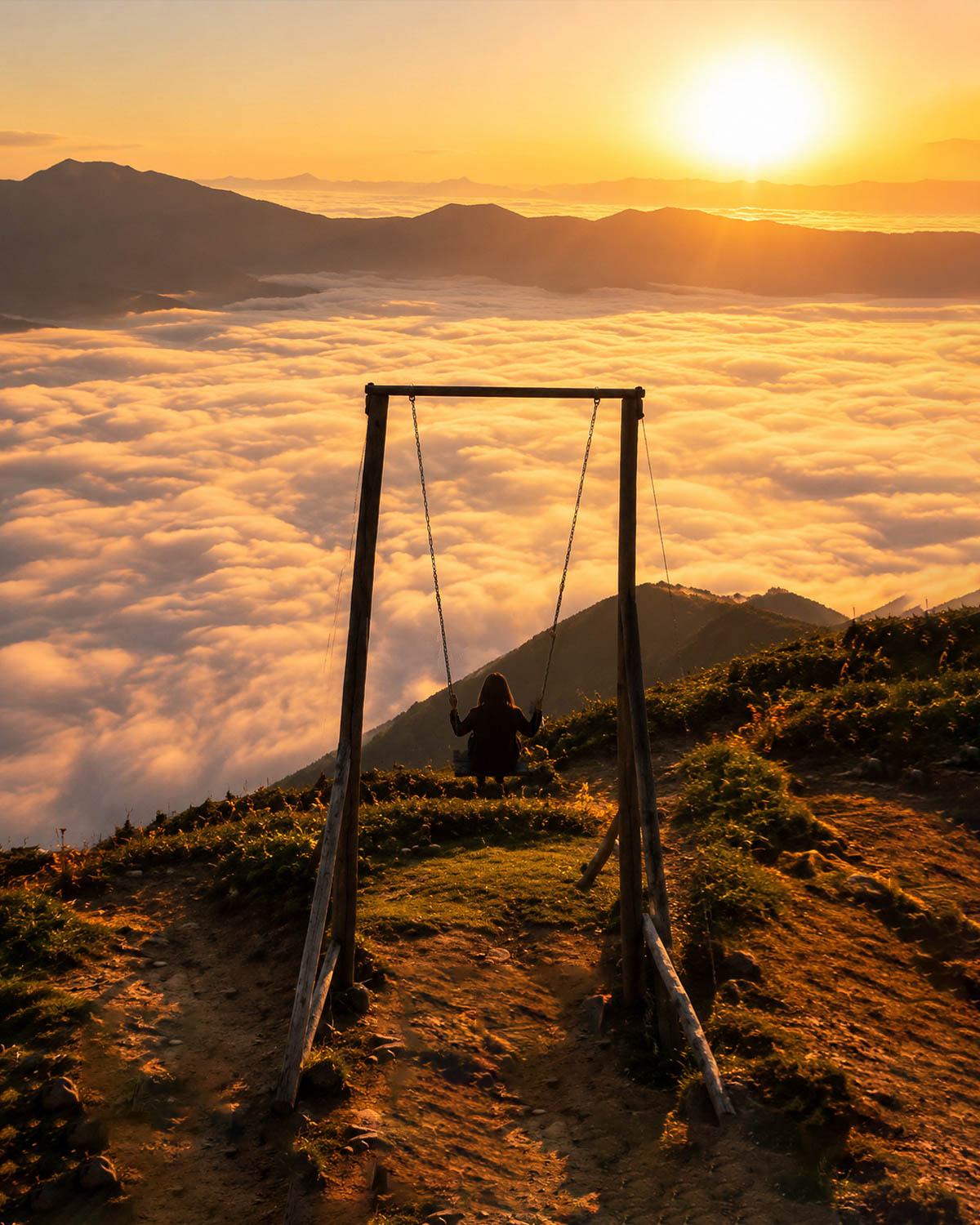
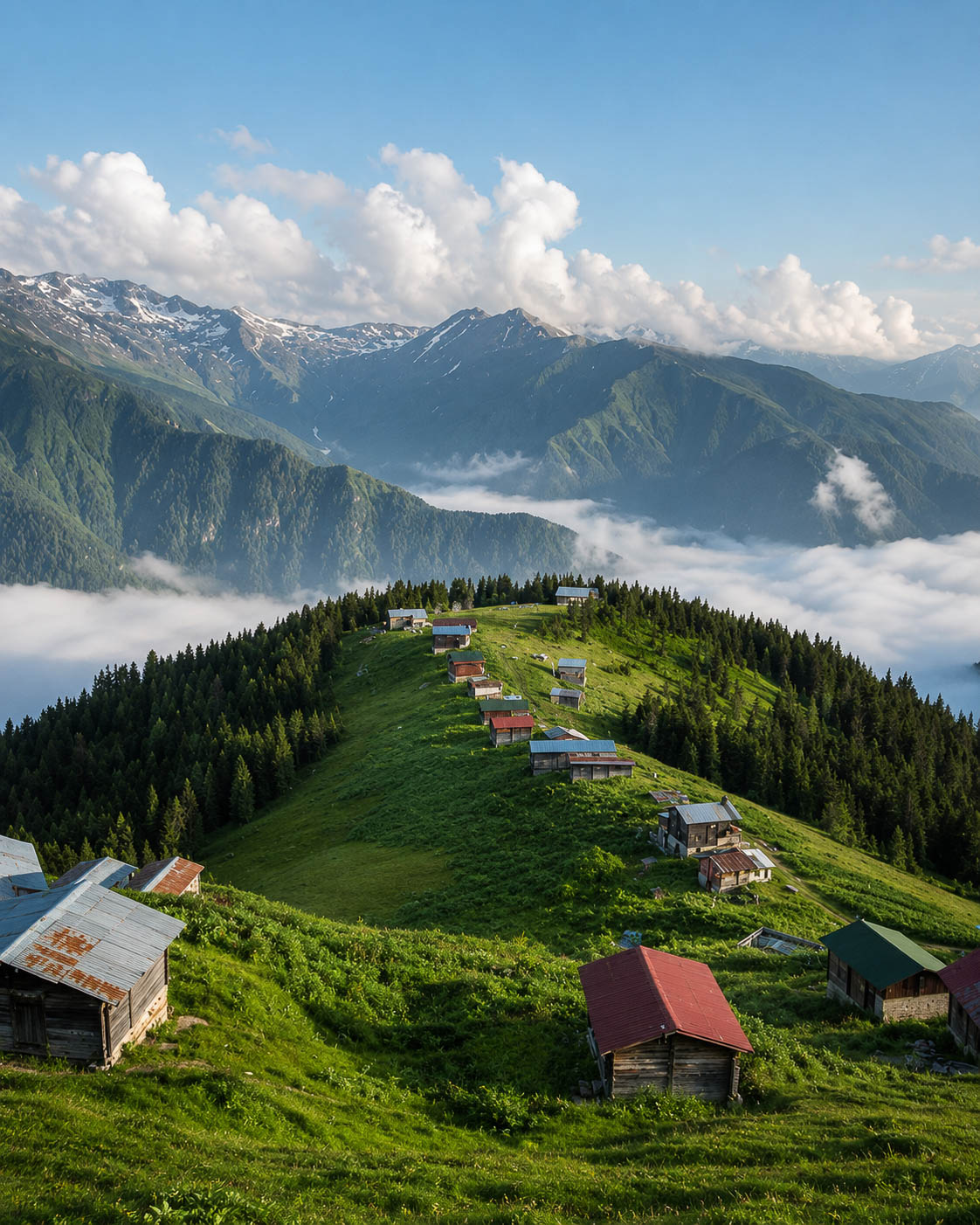
The high plateaus (yaylalar) are the real reward: Pokut, Elevit, Hüser and Vercenik, where wooden highland houses sit on ridges above a sea of cloud, reached on slow roads through the fog. Palovit waterfall, the Çeçeva tea gardens and the village mosques fill the valleys between. The food is inseparable from the place: muhlama melted over cornbread, hamsi in season, Laz böreği from the morning pastry shops and Anzer honey from the highland hives. Rize rewards anyone who stays long enough to learn its rhythm.
Places to Visit in Rize · Eight Anchors

Where you actually go in Rize.

Eight places worth your time. Tap a photograph, the map will follow.

01
Ceceva Tea Gardens

Çeçeva Tea Gardens

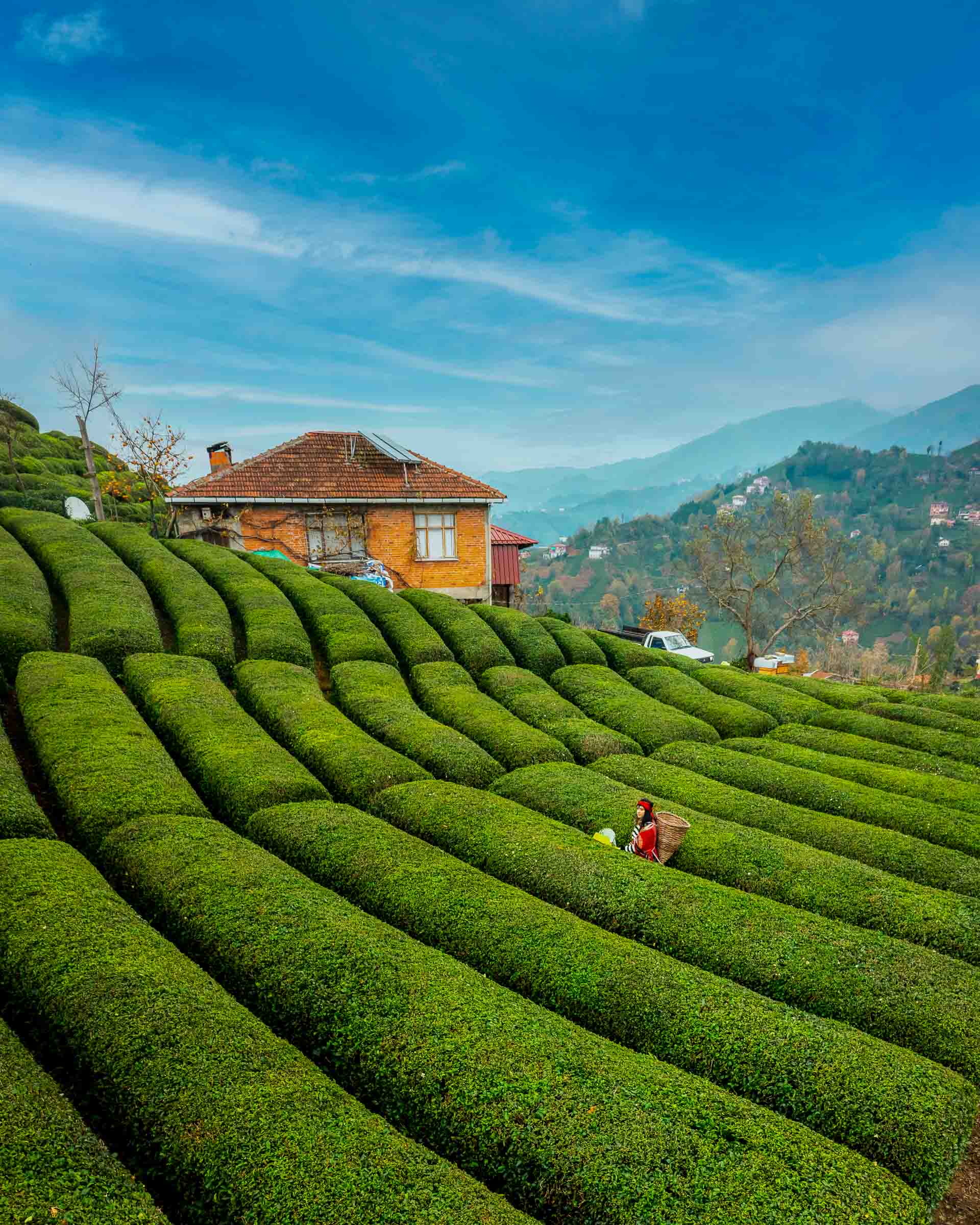
The terraced tea gardens covering the hills above Rize begin practically at sea level and climb several hundred metres up into the fog. The best time to walk through them is early morning when the mist sits in the lower gardens. The picking season runs from May to October and seeing the harvest done by hand is worth planning a visit around. The Ziraat Botanic Garden in the city centre has a well-organised tea garden section and good views over the sea.

03
Ayder Plateau

Ayder Plateau

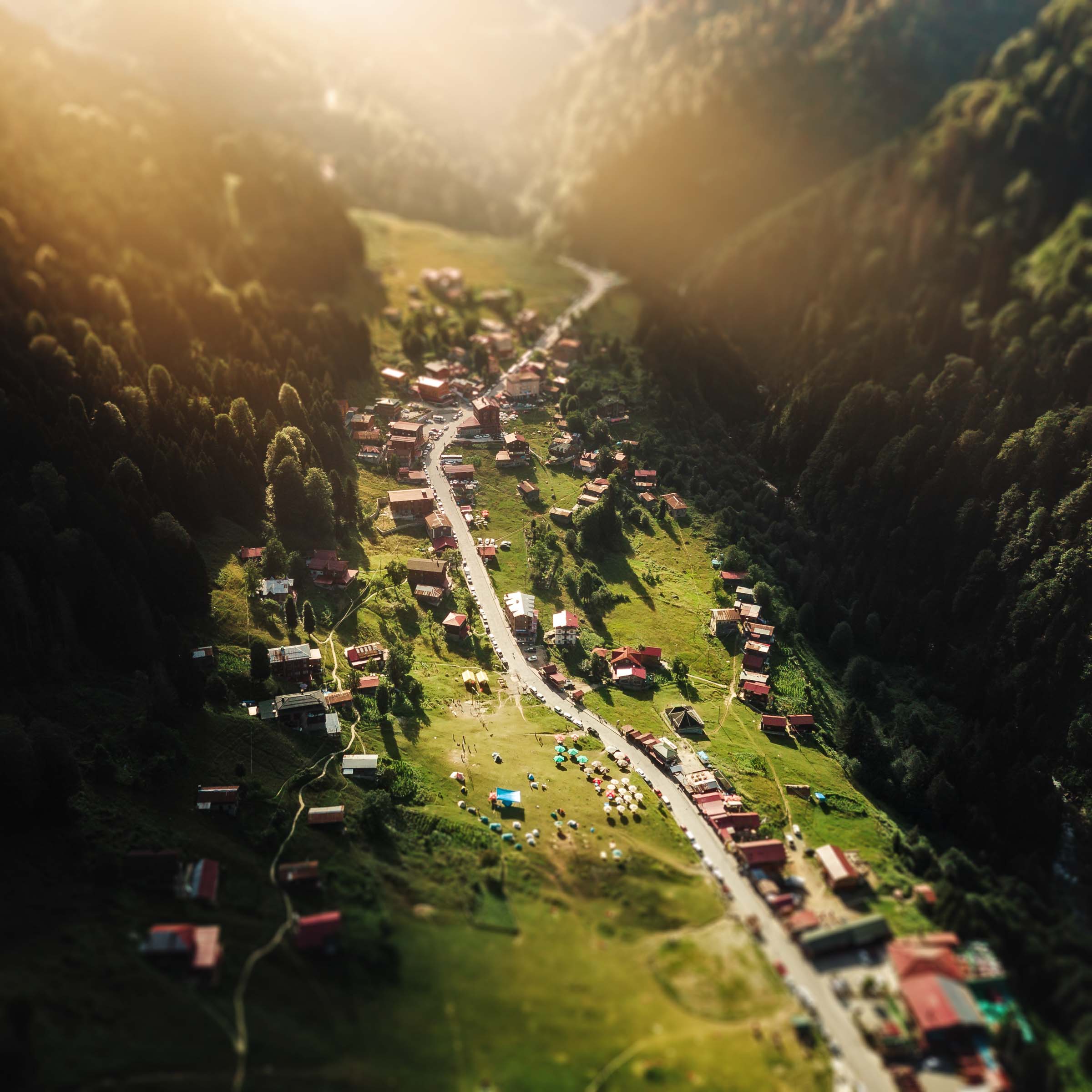
At 1,350 metres in the Firtina Valley, Ayder is the main base for the Kackar Mountains and the surrounding highland plateaus. Wooden guesthouses, thermal hot springs, waterfalls within walking distance, and the Kackar ridge rising directly above. The thermal baths at the centre of the plateau use water that emerges at 55 degrees from underground. The plateau is about 75 km from Rize city centre on mountain roads, roughly 90 minutes of driving.

05
Huser Plateau

Hüser Plateau

At around 2,400 metres, one of the highest settlements in the eastern Black Sea, reached above Ayder on a rough track that climbs well past the tree line into open alpine pasture. Scattered wooden highland houses and uninterrupted views over the Kaçkar ridge make it one of the most photographed of the Rize yaylalar, famous for the sea of cloud that fills the valleys at sunrise and sunset. About 12 kilometres and 30 minutes from Ayder, but the final stretch is steep and unpaved, so a 4x4 or a guided jeep tour is the sensible way up. Best from July to mid-September.

07
Palovit Waterfall

Palovit Waterfall

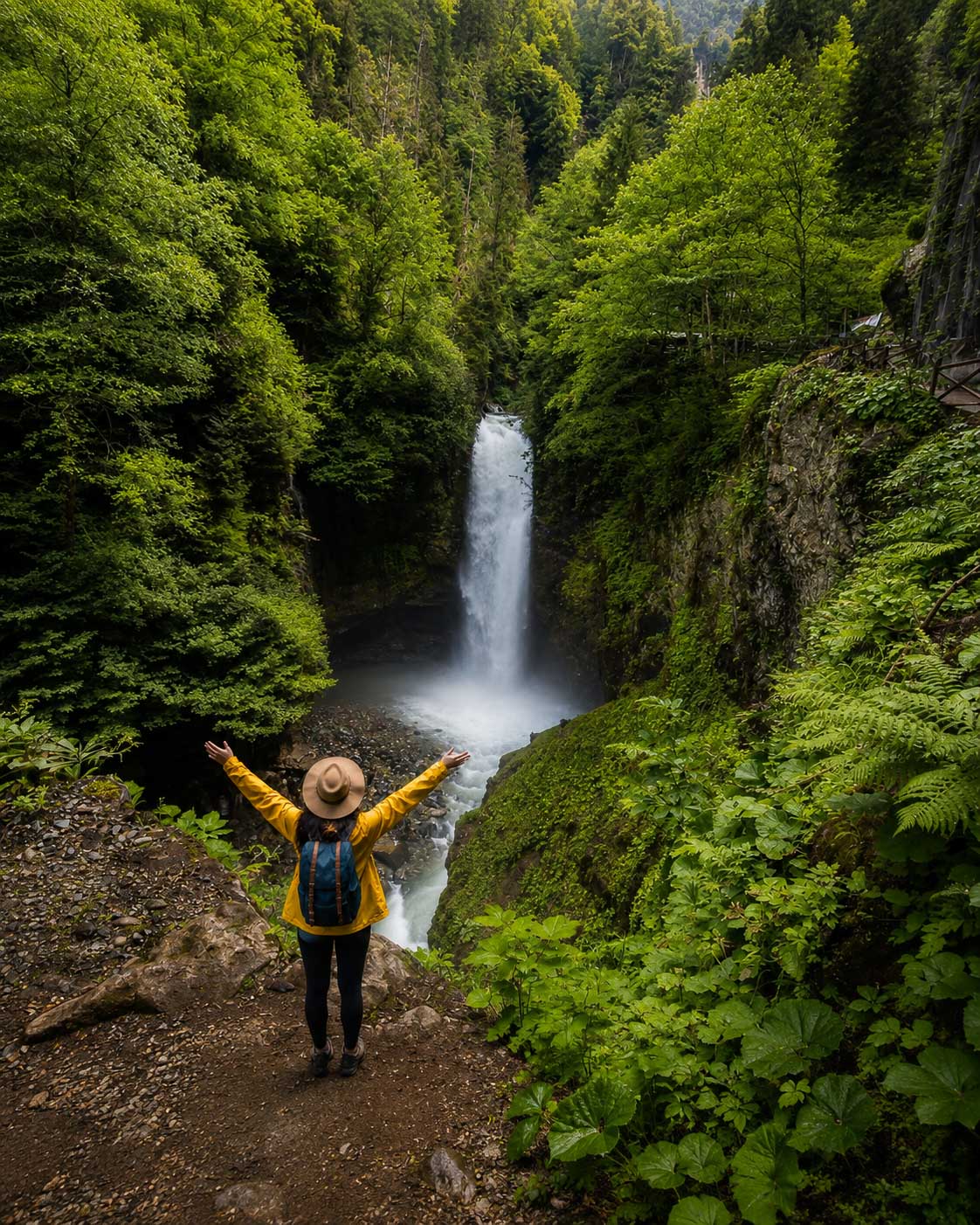
One of the highest-volume waterfalls in Rize, dropping around fifteen metres through dense forest deep in the Çat valley of Çamlıhemşin, inside the Kaçkar Mountains National Park. It sits on a separate arm of the Fırtına Valley road: from Çamlıhemşin you pass the Şenyuva stone bridge and Zilkale, then turn off at the spring on the Çat road and follow a short paved track to the viewing area. Roughly 35 kilometres and about an hour from Ayder by road, so most people fold it into a Zilkale and Fırtına Valley day rather than a walk from the plateau. The flow peaks in June with the snowmelt.

02
Zilkale Castle

Zilkale Castle

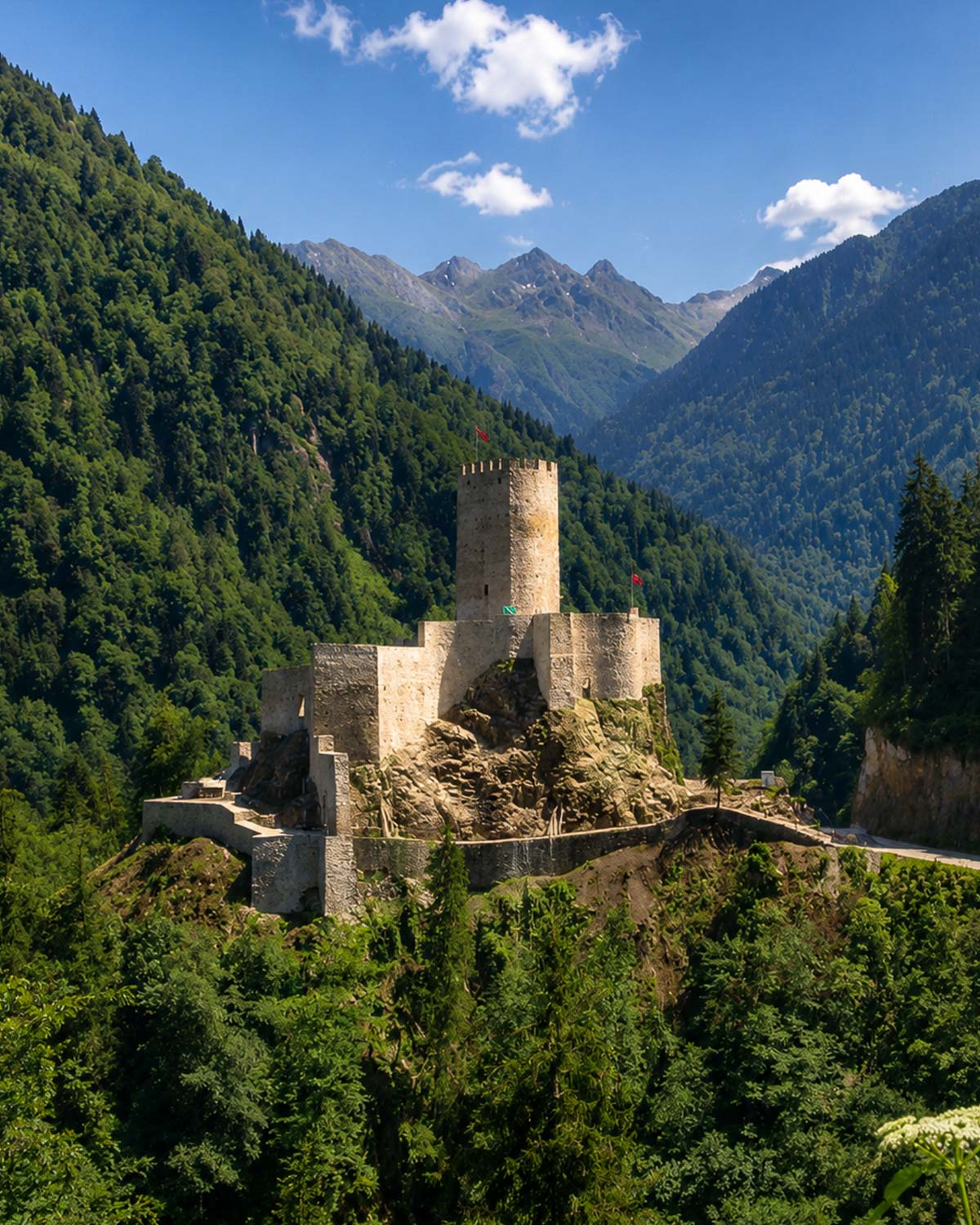
A medieval fortress perched on a sheer rock spur about 100 metres above the Fırtına River, at roughly 750 metres above sea level, on the Çat road south of Çamlıhemşin. Built in the 14th century, in the era of the Empire of Trebizond, to watch over the caravan route up the valley toward the interior, it has outer, middle and inner wards with a garrison building and the remains of a chapel and a main tower. The steep path up from the road takes about 20 minutes. Come in the morning before the valley mist burns off for the most atmospheric light on the stone.

04
Elevit Plateau

Elevit Plateau

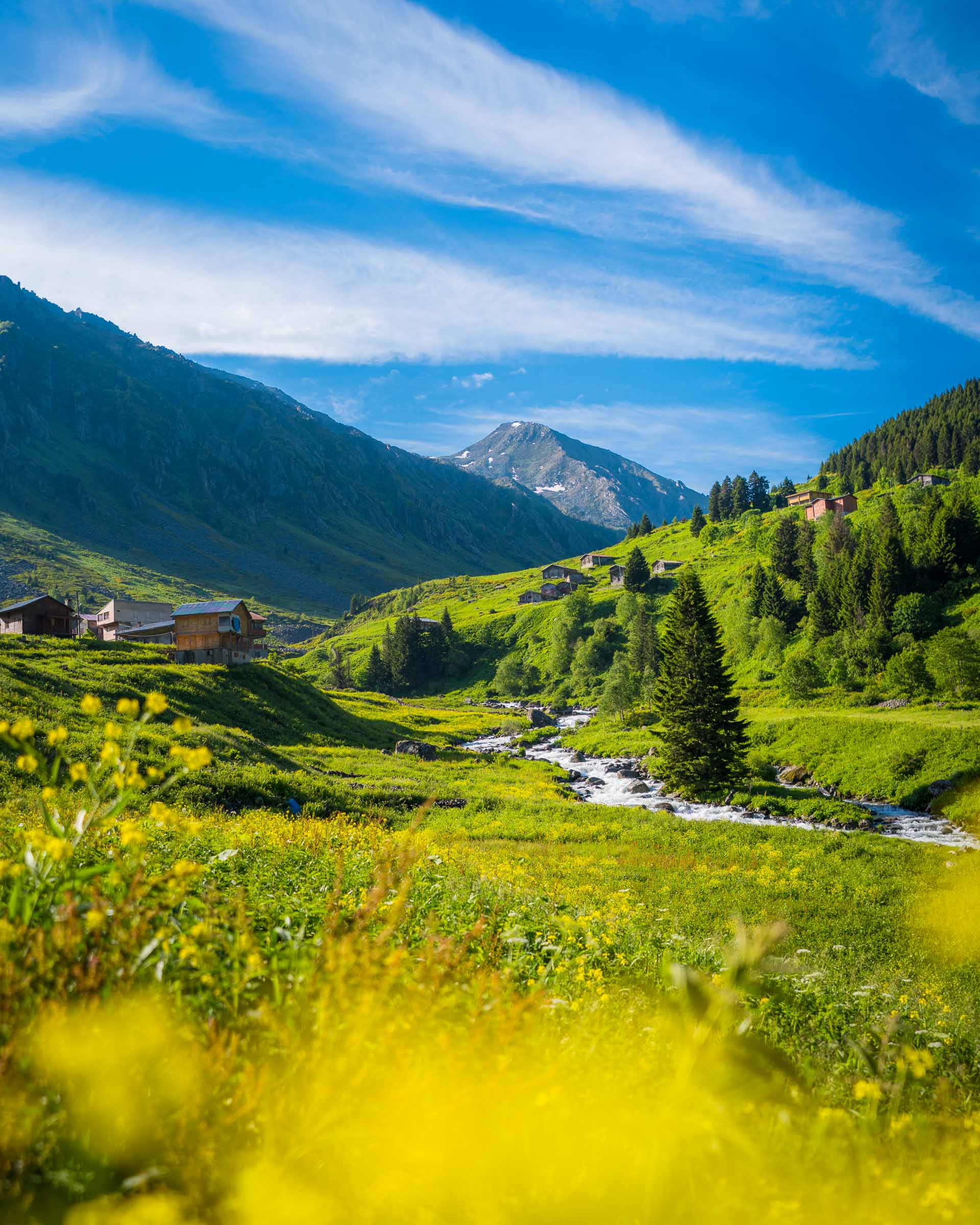
One of the highest and most remote of the Rize plateaus, at around 1,800 metres deep in the Kaçkar range above Çamlıhemşin. A cluster of stone and wooden houses sits in a green bowl ringed by peaks, with alpine streams running through and the higher Tirovit and Vercenik plateaus beyond. The drive up the Fırtına Valley road, past Zilkale and the old stone bridges, is part of the experience. A waypoint on serious Kaçkar treks and a destination in its own right.

06
Pokut Plateau

Pokut Plateau

A high plateau at around 2,050 metres on the Sal-Hazindağ ridge, reached from Şenyuva on the same turn-off that leads up the Fırtına Valley, about 19 kilometres of steep, rough road from Çamlıhemşin. Unusually for this altitude the slopes stay forested almost to the top, and the cluster of weathered wooden houses above a sea of cloud is one of the most photographed scenes in the Kaçkar. Less developed than Ayder, with simple guesthouses run by local families. A higher-clearance vehicle, or a shared jeep from Şenyuva, is strongly recommended.

08
Vercenik Plateau

Vercenik Plateau

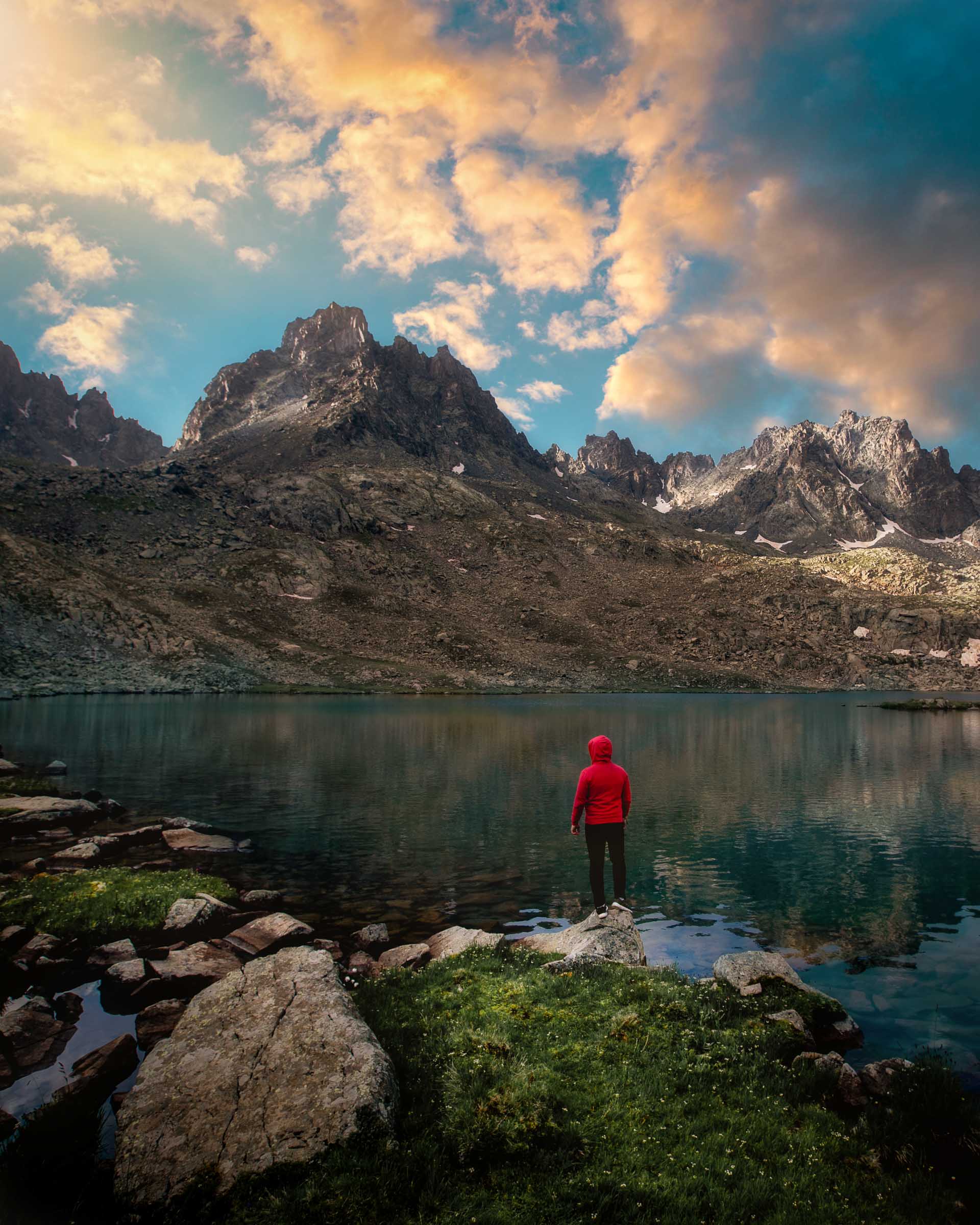
A remote high plateau beneath the Vercenik massif, the second highest peak of the Kaçkar range at 3,711 metres. Reached on rough roads above Elevit through some of the most dramatic alpine scenery in the eastern Black Sea, with summer pastures, glacial streams and the bare rock of the summit ridge above. A base for mountaineers and the most off-grid of the Rize yaylalar. Access only in the high summer months once the snow has cleared.

Next · Food and Cuisine ↓ continue reading
Black Sea Table

Food and Cuisine

Rize has one of the most specific food cultures in Turkiye. The ingredients are local, the recipes are old, and almost nothing on a proper Rize table has arrived from elsewhere. Muhlama is the dish the region is most known for, but the anchovy season, the highland honey and the Laz boregi each have their own loyal following among people who know this coast well.

The Signature
Rize Çayı

The black tea grown on the terraced hillsides of Rize, picked between May and October and processed in the local factories within hours of leaving the bush. Brewed in a double pot (çaydanlık), served strong from the upper pot and diluted from the lower one to taste, in tulip-shaped glasses. It is the daily ritual of the eastern Black Sea and the source of around 60% of Türkiye's domestic tea production. Local houses, ferries, mountain rest stops and bazaar stalls all run on it. A glass costs almost nothing and is rarely refused.

The Signature Dish
Muhlama

Cornmeal cooked in butter with local Hemsin kolot cheese melted through it until the dish becomes thick and stringy, served bubbling in a copper pan. The Rize version uses a sharper local cheese than the Trabzon muhlama most people encounter. It is eaten for breakfast or alongside meat dishes and should be consumed while the cheese is still pulling. It cools quickly and the texture changes completely within minutes.

The Pastry
Laz Böreği

Thin layers of hand-rolled dough filled with a custard cream made from eggs and milk, baked golden and finished with powdered sugar. It comes from the Laz culture of the eastern Black Sea and belongs specifically to this region. Good pastry shops sell it fresh in the morning and it is gone by noon. The version in Rize tends to be lighter in the cream filling than versions found further west along the coast.

Anchovy Rice
Hamsili Pilav

Fresh anchovies laid in overlapping fan patterns over seasoned rice in a clay or copper pot, baked in the oven until the fish render their oils into the grain. A defining Karadeniz preparation but the Rize version is particularly evolved - the rice is mixed with butter, onion, currants and parsley before the anchovies are arranged on top. Served by spooning portions including both the rice and a section of the fish layer. A winter dish, anchovy season being late autumn through January.

Corn Bread
Mısır Ekmeği

Dense, slightly crumbly cornbread baked daily in the Rize villages, using corn flour milled from the local crop. Eaten warm with butter, with muhlama, alongside hamsi, or simply broken into pieces and dipped in honey. The texture is the marker: heavier than wheat bread, with a coarse, almost grainy character. The village bakeries and some of the traditional restaurants in Rize and Çamlıhemşin produce it daily; in the highlands during summer it is a constant presence on the breakfast table.

Black Cabbage Anchovy
Karalahana ve Hamsi

Black cabbage (similar to kale or collard greens) and fresh anchovies cooked together with cornmeal, onion and butter - a dish that brings together the two pillars of Rize's winter cooking. The cabbage is shredded and softened first, then the anchovies are layered in and the cornmeal stirred through, with everything finishing together over low heat. Eaten with a hunk of mısır ekmeği and a glass of buttermilk. The traditional village restaurants in the Rize highlands serve the reference versions.

Where to Eat

Where to Eat in Rize

The legendary Çayeli bean house, the city-centre pide and döner institution, and the trout, muhlama and breakfast spots up in the Fırtına Valley and on the high plateaus

Lale 1973 (Çayeli)
★★★★★ 4.5 (10,000+ reviews)

A Black Sea legend in Çayeli, 25 km east of Rize, open since 1973 and famous across the region for one dish above all: Çayeli kuru fasulye, the local white beans slow-cooked in a pot then finished in the oven, served with kavurma and rice. The Laz böreği sells out by late afternoon, so order it early. Worth the short drive from the city, and packed with locals at every sitting.

Çayeli kuru fasulye and kavurma
Huzur Pide ve Kebap
★★★★ 4.1 (3,600+ reviews)

A large, reliable lokanta on Cumhuriyet Caddesi in the new Rize square, busy with locals from morning to night. The Rize pide and the döner are the orders to start with, alongside soups, sulu yemek stews and a good fırın sütlaç to finish. Underground parking below the square, average prices and fast service. The most useful all-rounder in the city centre.

Rize pide and döner
Zilkale Kaledibi Cafe
★★★★★ 4.5 (5,000+ reviews)

A café directly below Zilkale castle in the Fırtına Valley, with terraces looking straight up at the medieval walls on their cliff 650 metres above the river. Gözleme, muhlama, mountain tea and simple grills, the food secondary to the setting. A natural lunch stop on the drive up the valley toward Ayder and the high plateaus, especially when the mist drifts across the castle.

Muhlama and gözleme below the castle
Ayder Alabalık Çiftliği
★★★★ 4.0 (1,200+ reviews)

A trout farm and restaurant on the Ayder road, with tables among the trees and a small waterfall at the back. The trout is pulled from the pools and grilled to order, served with muhlama, lamb ribs and tea in the cool mountain air. A family-friendly stop with an animal farm beside it, fair prices and the sound of running water throughout the meal.

Fresh grilled trout and muhlama
Çinçiva Kafe (Şenyuva)
★★★★ 3.8 (600+ reviews)

A riverside café in Şenyuva, right beside the 16th-century Çinçiva stone bridge with the Fırtına creek running past the terrace. The serpme village breakfast is the headline order, generous and local, with muhlama, honey, village cheese and fresh bread. A good lunch or breakfast stop before the hike to the Tar waterfalls or the climb up to Pokut and Gito.

Village breakfast by the bridge
Yenibahar Restoran
★★★★ 4.3 (120+ reviews)

A small restaurant high on the hill above the city, reached on a steep narrow road, with one of the best views over Rize and the Black Sea. The spread-style breakfast and the muhlama are the things to order, eaten slowly on the terrace in the morning before the day-trippers arrive. Quiet, reasonably priced and a complete contrast to the busy lokantas downtown.

Hillside breakfast and muhlama
Liman Lokantası
★★★★ 4.2 (7,500+ reviews)

A Rize city-centre institution on Osman Karavin Caddesi, open since the 1970s and the address most often cited for the full Black Sea home-cooked table. Rize kavurma slow-cooked in butter, et yemeği, the creamiest beans, döner and a famous fırın sütlaç to finish, with the Laz böreği the dessert regulars come back for. Run by the host Ismail, fast and friendly, busy with locals from breakfast onward. Closed Sundays.

Rize kavurma and Laz böreği
Kuzey Balık Restaurant
★★★★ 4.2 (700+ reviews)

A fish restaurant on the Black Sea coast road just east of the city, with indoor and seaside tables and a steady local crowd. The catch is local and fresh, the salmon sticks and the day's grilled fish the orders to make, the menu otherwise kept simple with salad and soup. Fair prices, fast service and a genuine sea view, a good stop on the coastal drive in or out of Rize.

Fresh Black Sea fish
On the Ground

Activities and Experiences

01
Drive the Firtina Valley Road

The road from Ardesen on the coast into the Firtina Valley and up to Camlihemsin is one of the most compelling drives in the region. The valley narrows as you go deeper. Ottoman arch bridges appear over the river. The road climbs past Zilkale and continues to Ayder. Allow a full day and stop often. The light changes quickly in the valley and conditions shift from clear to misty within an hour, especially in the morning.

02
Rafting on the Firtina River

The Firtina River runs fast and cold through a narrow gorge, and guided rafting trips operate from Camlihemsin on sections suitable for beginners as well as more experienced paddlers. The season runs from April through October. Several operators in Camlihemsin rent equipment and provide guides. Advance booking is usually not necessary outside July and August weekends when demand is highest.

03
Kackar Mountains Trekking

The Kackar range rises to 3,932 metres and offers multi-day trekking routes between the Black Sea plateau system and the interior valleys. The most popular circuit connects Ayder to Yaylalar on the south side via the Dilber Duzlugu ridge. June and September offer the best conditions. July and August are busier. Mountain guides are available in Ayder and are worth hiring for anything beyond the standard plateau routes.

Further Afield

Day Trips from Rize

75 km West, about 1 hour
Trabzon and Sumela

Trabzon is an easy day trip west along the coast road, with its own food culture, bazaar and the Byzantine Hagia Sophia near the sea. From Trabzon the road south into the Altindere National Park reaches Sumela Monastery in about 45 minutes. Built into a vertical cliff face in the 4th century, it is one of the most dramatic sights in the entire region and justifies the drive on its own.

130 km East, about 2.5 hours
Borçka Karagöl

East along the coast to Hopa, then inland and up into the Artvin highlands, lies one of the most beautiful lakes in the eastern Black Sea. Borçka Karagöl is a deep green crater lake ringed by dense forest, formed when a landslide dammed a mountain stream, with a short boardwalk trail around the water and reflections of the trees on still mornings. The long drive up through the Çoruh River canyon and the forested switchbacks is a full and rewarding day from Rize.