Dates, venue, access and official links. 9–20 November 2026.
Show Me TürkiyeOctober 20267 min read
Field notes
COP31: what we tell friends.
01This is not the official site. Show Me Türkiye is an independent travel publication. For registration, accreditation and anything binding, use unfccc.int/cop31 and cop31.tr.
02Two zones, two sets of rules. The Blue Zone, where the negotiations happen, is for accredited participants only. The Green Zone is run by the host and is open to the public, usually with pre-registration.
03Book through official channels. The host directs participants to its official accommodation partner and publishes transport, visa and travel pages on cop31.tr.
04November is shoulder season. Antalya is mild in November, but the first winter rains arrive. Pack a light jacket and something waterproof.
05Stay a day longer. If you have a free day before or after the conference, Kaleiçi, the Düden waterfalls and the ancient cities of Perge and Aspendos are within easy reach, and the coast around Kemer is about an hour away by road. Start with our Antalya city page, then plan the days with the Antalya travel guide and the Kemer travel guide.
06Rules can change. Access, registration and programme details are published and updated by the organisers. Check them again in the week before you travel.
COP31, the United Nations Climate Change Conference, takes place in Antalya, Türkiye, from 9 to 20 November 2026. For two weeks, government delegations from almost every country will negotiate the next steps on climate action, while observers, businesses, researchers, journalists and members of the public gather around the talks.
This guide explains what COP31 is, why it matters, who can attend and how to plan a visit to Antalya. It is an independent guide: for registration and official information, use the conference websites listed below.
§
01
01At a glance
COP31 at a glance.
1 min read
The verified essentials, in one place. We recheck them against the official sources and update this list as details are confirmed.
Event: COP31, the 31st Conference of the Parties to the United Nations Framework Convention on Climate Change (UNFCCC)
Dates: 9–20 November 2026
Host city: Antalya, Türkiye
Venue: Antalya EXPO Center, Aksu, Antalya (Solak Alanya Yolu, Serik Caddesi), as given in the official COP31 FAQ
Host and Presidency: Türkiye; the COP31 President-Designate is Murat Kurum, Minister of Environment, Urbanisation and Climate Change
Negotiations: Chris Bowen, Australia's Minister for Climate Change and Energy, serves as President of Negotiations under the hosting arrangement agreed at COP30
Organised under: the UNFCCC, whose secretariat manages accreditation and the Blue Zone
COP stands for Conference of the Parties. The Parties are the 198 members of the United Nations Framework Convention on Climate Change (UNFCCC), the treaty agreed in 1992 to stabilise greenhouse gas concentrations in the atmosphere: 197 countries plus the European Union. They have met every year since 1995, apart from 2020, to negotiate how that goal is put into practice. COP31 is the thirty-first of those meetings.
The best-known result of the process is the Paris Agreement of 2015, under which countries aim to hold warming well below 2°C and pursue efforts to limit it to 1.5°C. Each country sets its own targets, called nationally determined contributions, and is expected to strengthen them over time. The annual COPs are where governments review progress, agree rules and negotiate the decisions that hold the system together.
A COP is two events at once. In the negotiating rooms, government delegations work through a formal agenda, alongside meetings of the bodies that serve the Kyoto Protocol and the Paris Agreement. Around them, thousands of observers, businesses, researchers, journalists and local visitors take part in exhibitions, side events and public programmes.
§
03
03Why it matters
Why COP31 matters.
2 min read
More than a decade after Paris, the focus of the talks has moved from writing rules to delivering on them. The host country's stated aim for COP31 is to move "from negotiation to implementation". In practice, the conference returns to several long-running questions:
Cutting emissions: whether national targets add up to the Paris goals, and how quickly they are being met.
Adaptation: how countries prepare for heat, drought, floods and rising seas that are already happening.
Climate finance: how money reaches developing countries. At COP29 in Baku, countries agreed a new goal under which developed countries take the lead in mobilising at least 300 billion US dollars a year for developing countries by 2035.
Nature and ecosystems: forests, oceans and biodiversity, which both store carbon and suffer from warming.
Accountability: how countries report what they do, so that pledges can be checked.
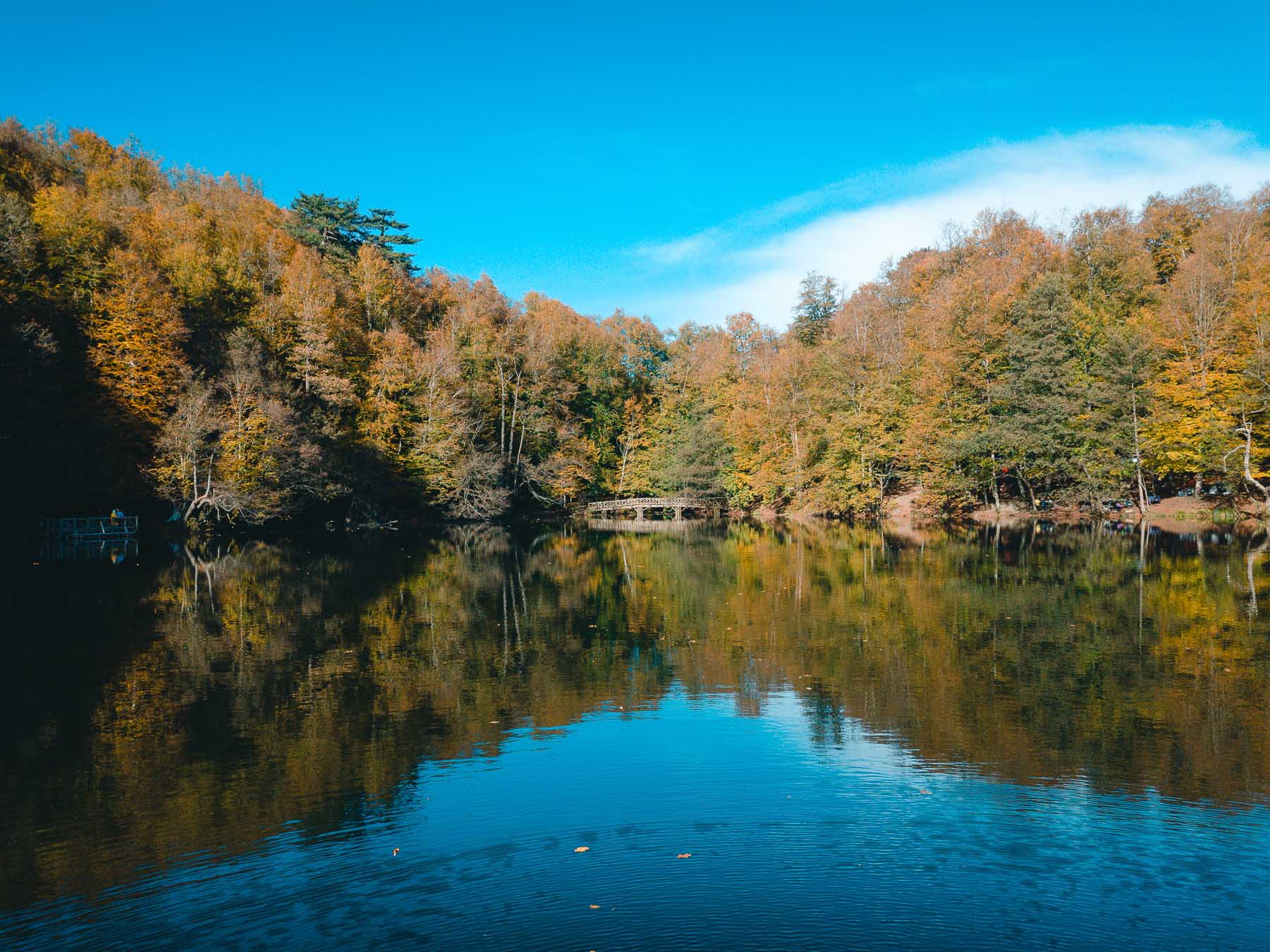
Forest and lake at Yedigöller National Park, Bolu.
Alongside the formal negotiations, the host runs an Action Agenda. Its published themes include zero waste, oceans and seas, food security, climate-resilient cities, green industrialisation, the clean energy transition and resilient health systems. These are the host's priorities for events and initiatives, not items on the negotiating agenda. The decisions themselves are negotiated and agreed by the Parties during the conference; none of them is settled in advance.
§
04
04The host
Why Antalya and Türkiye?
1 min read
The decision on who would host COP31 was taken at COP30 in Belém, Brazil, in November 2025. Türkiye and Australia had both bid, and the outcome was a shared arrangement: Türkiye hosts the conference in Antalya and holds the COP31 Presidency, while Australia's climate minister leads the negotiations as President of Negotiations.
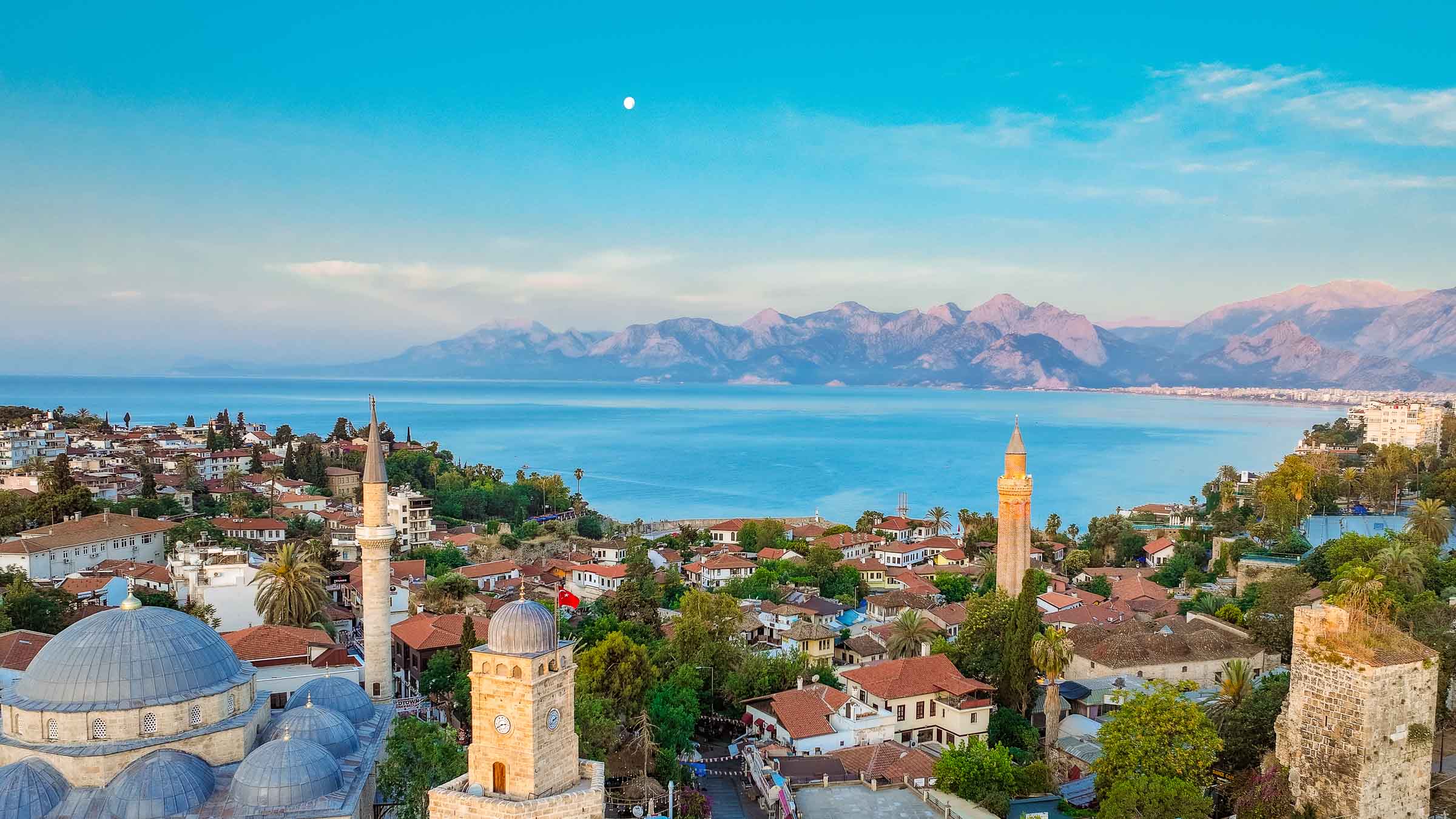
Kaleiçi, Antalya's old town, with the bay and the Beydağları range behind.
Antalya is Türkiye's busiest holiday region, so it already has what a conference of this size needs: an international airport with routes across Europe and beyond, a large exhibition centre, and tens of thousands of hotel rooms. The organisers describe it as the city of blue and green, where the Mediterranean meets forested mountains. The same coast and forests that draw visitors are also exposed to heat, drought and wildfire.
Türkiye lies in the Mediterranean basin, which the Intergovernmental Panel on Climate Change (IPCC) describes as a climate change hotspot. Regional assessments by the Mediterranean Experts on Climate and Environmental Change (MedECC) find that the basin is warming faster than the global average, and it is projected to become drier. The effects differ across a country this large.
Forests and wildfire. The pine forests of the south and west coasts are adapted to fire, but longer, hotter and drier summers raise the risk. In the summer of 2021, large wildfires burned in several coastal provinces, including the Manavgat area of Antalya.
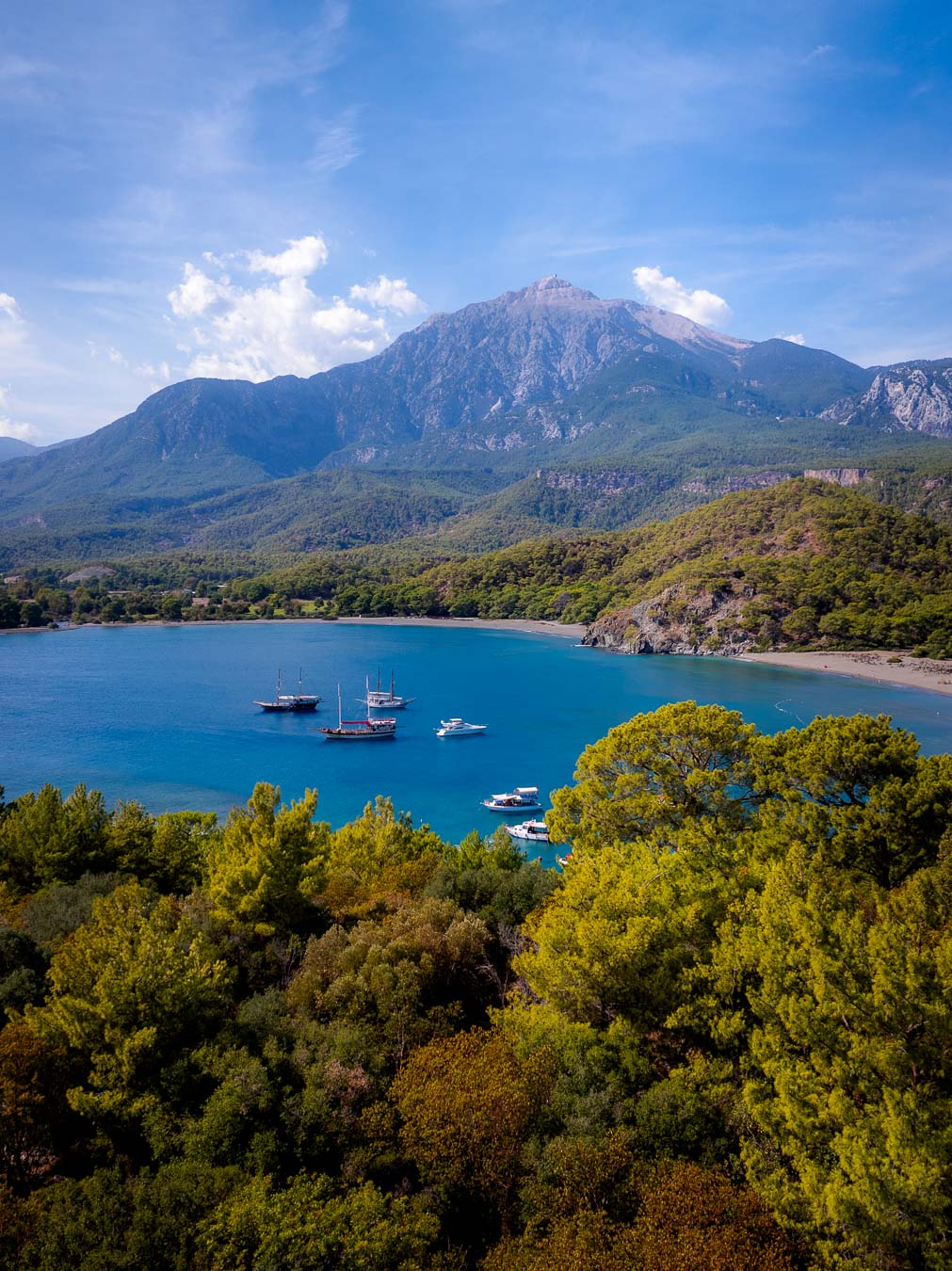
Pine forest down to the sea at Phaselis, near Kemer.
Water. Much of the country depends on rain and snowmelt that vary a great deal from year to year. Lower rainfall and higher evaporation put pressure on reservoirs, farming and lakes, and water resources are a central theme in Türkiye's climate adaptation planning.
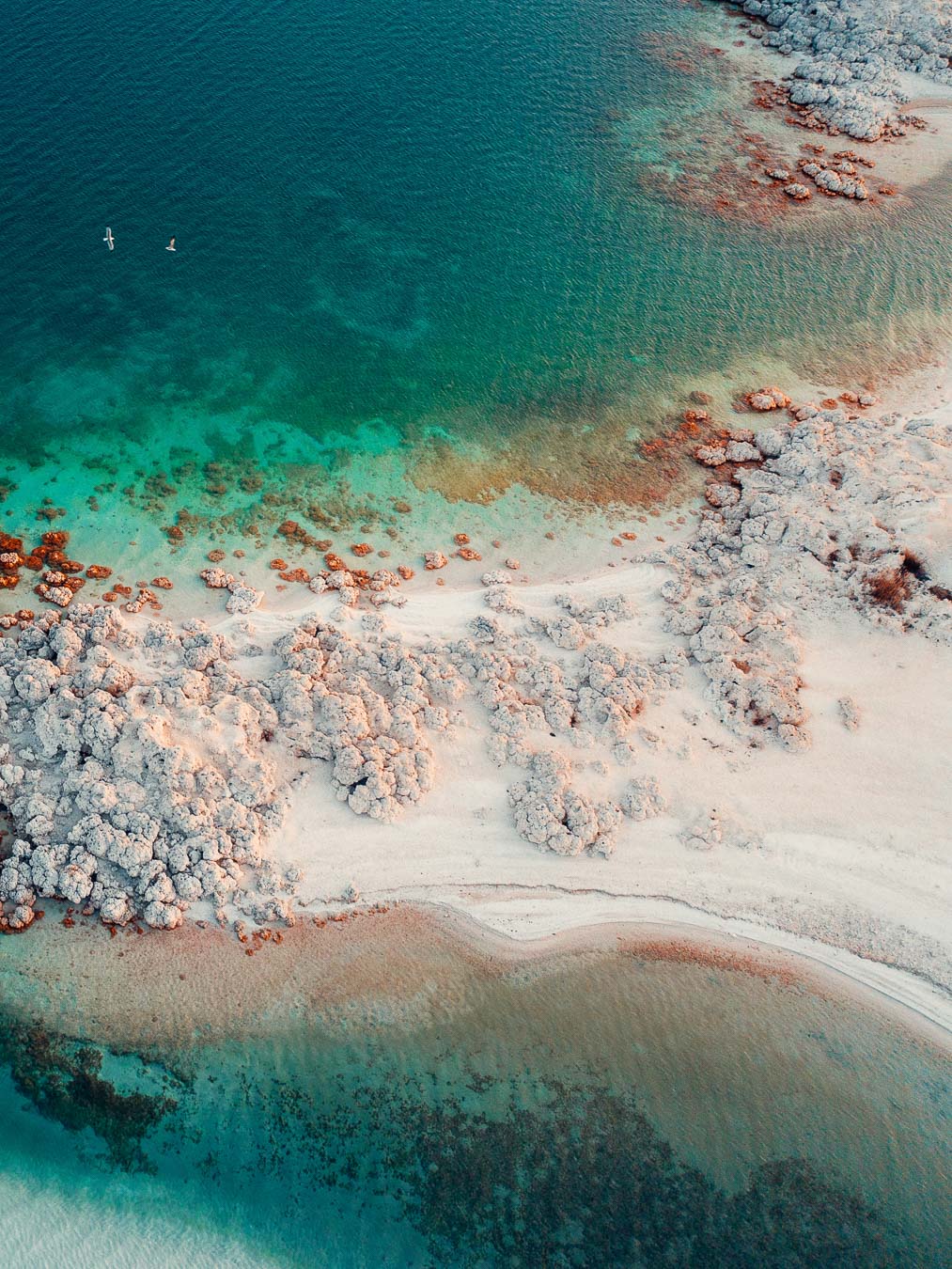
Salda Lake in Burdur, one of the inland lakes of the Lakes Region.
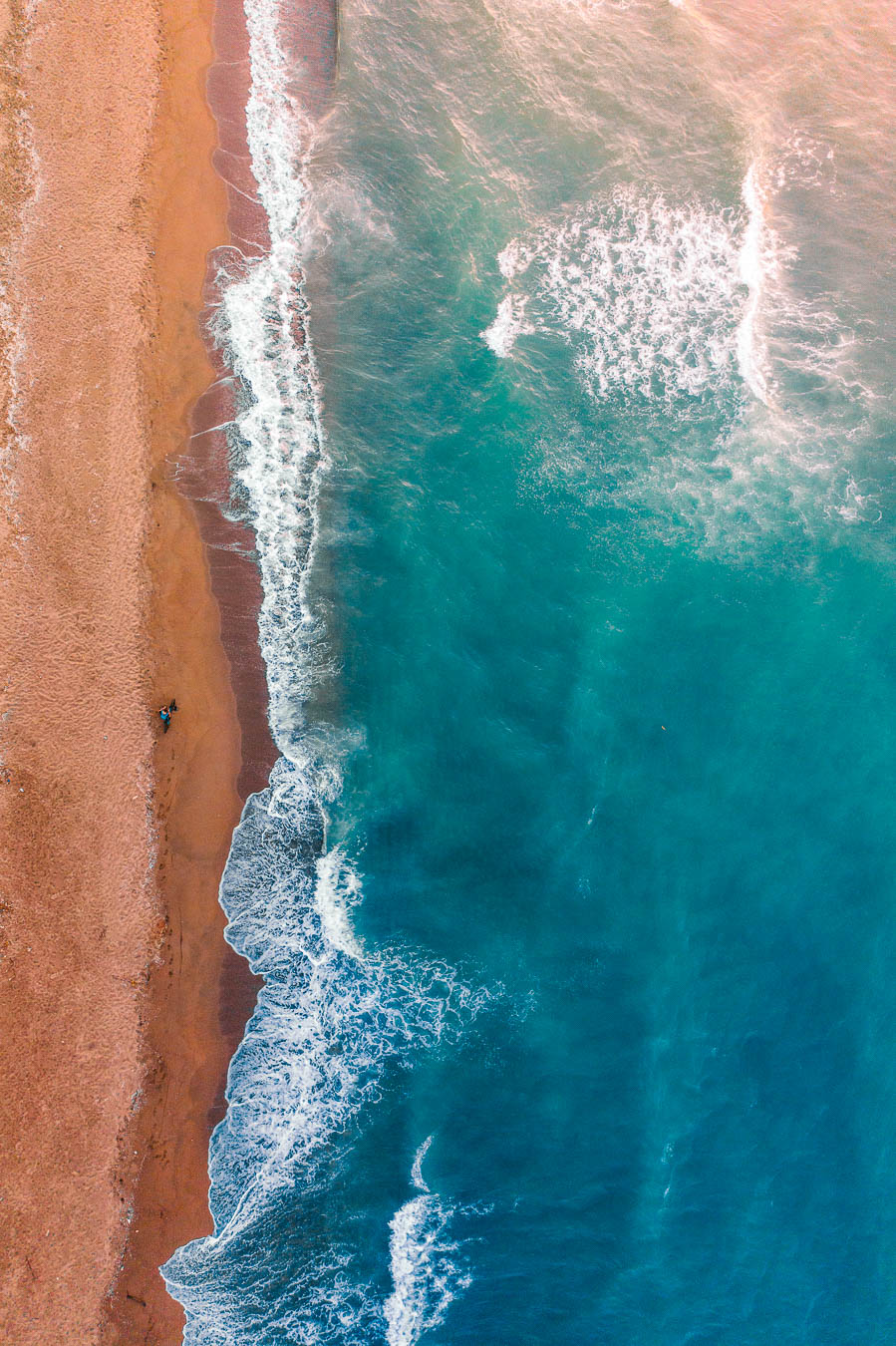
Seasons and coasts. Hotter summers, milder winters and heavier downpours change when and how people farm, travel and live. Low-lying coastal areas and deltas are exposed to rising seas and storms.
The Black Sea shore at Karasu, Sakarya.
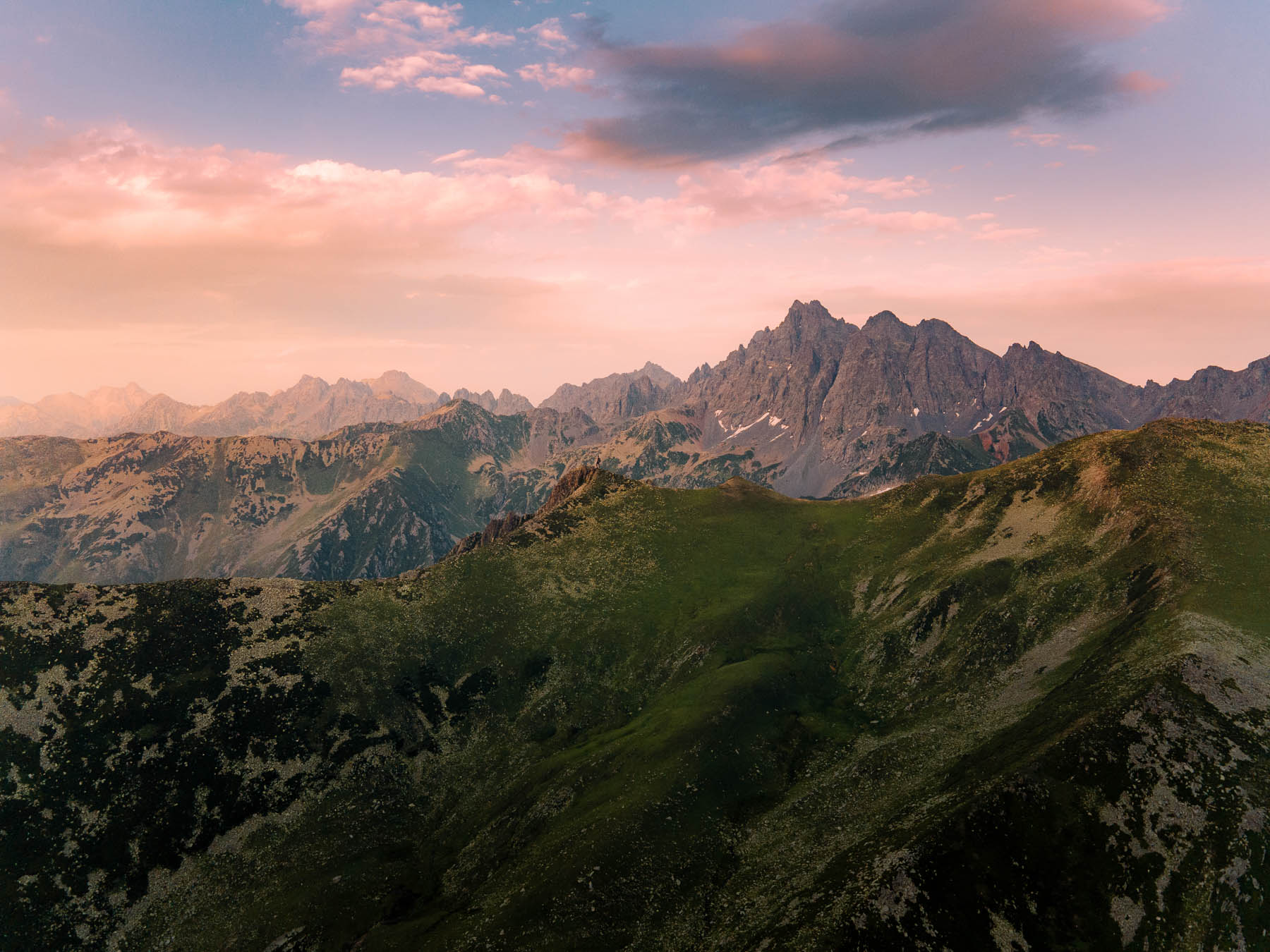
Mountains. High ranges such as the Kaçkar in the north-east hold snowfields and small glaciers that feed rivers through the summer. Warming shortens the snow season and can push plants and animals to higher ground.
The Kaçkar range above Rize.
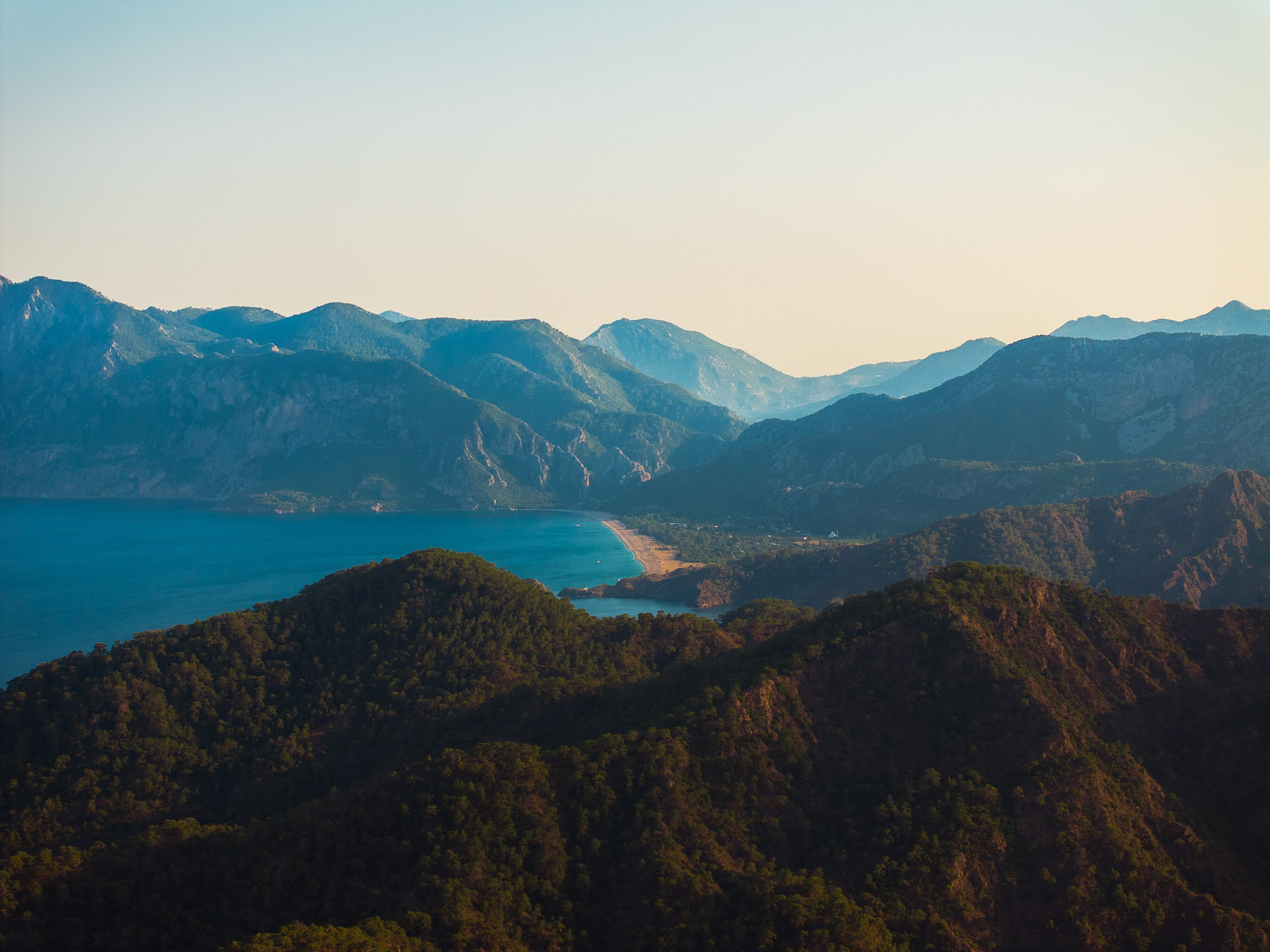
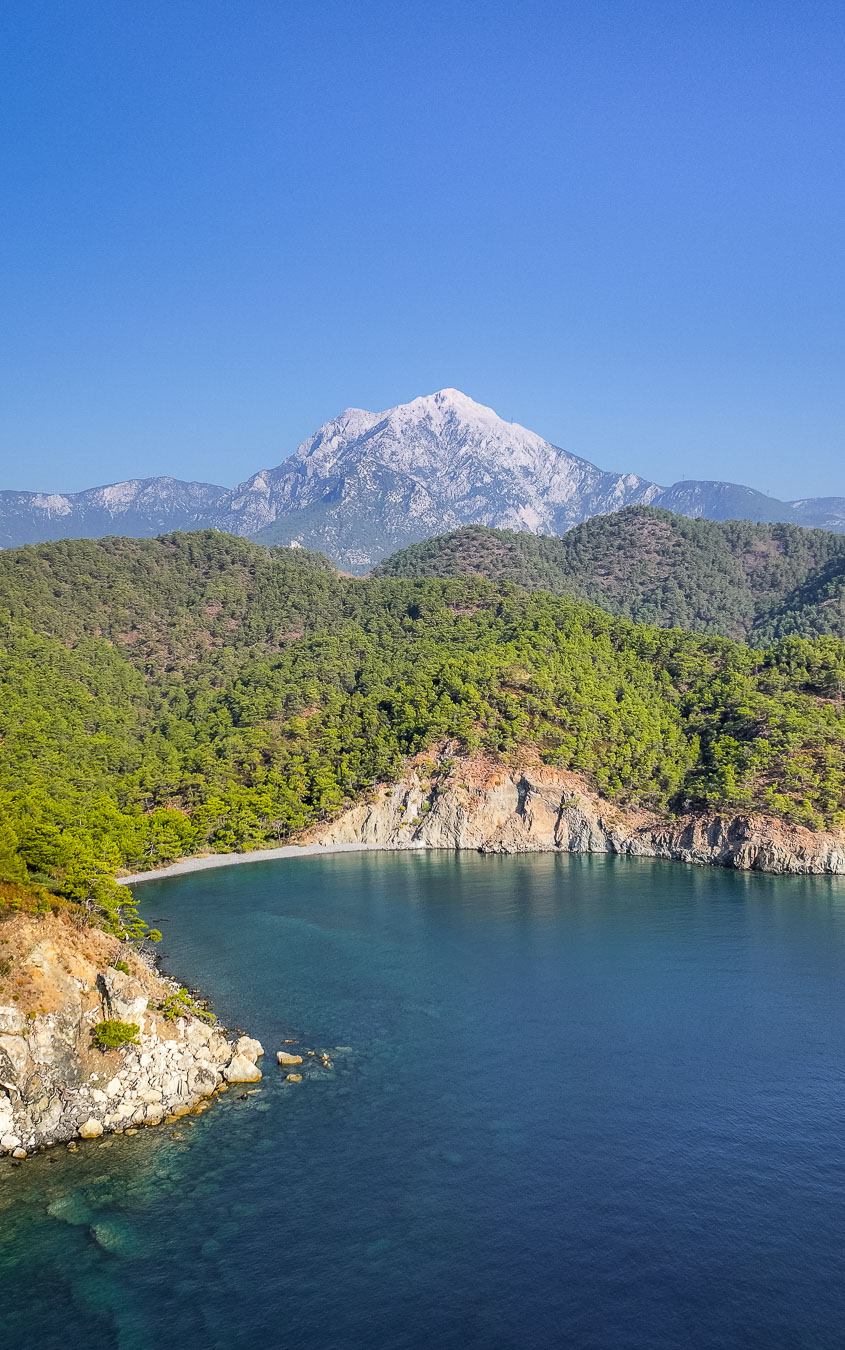
These photographs are from our own archive. They show the landscapes discussed here, not specific climate events. To see more of these places, read our guides to national parks in Türkiye and hiking in Türkiye.
§
06
06Attending
How to attend COP31.
2 min read
The most important thing to understand is that COP31 has two separate areas with separate rules. Not everyone can enter the conference venue.
The Blue Zone is the UN-managed area where the negotiations take place. Entry requires accreditation through the UNFCCC. In practice, that means one of three routes:
Party delegates: nominated by their national government through its official focal point.
Observers: representatives of organisations already admitted as UNFCCC observers, nominated by their organisation's designated contact point.
Media: journalists apply for press accreditation, which is administered by the UNFCCC secretariat.
Individuals cannot buy a ticket or register themselves for the Blue Zone. The UNFCCC states that registration and badges are free of charge for duly nominated participants.
The Green Zone is coordinated by the host country and is designed for the wider public. According to the official COP31 FAQ, it is open to the public, students, NGOs, companies and researchers, entry is generally free, and pre-registration is required in most cases through the official COP31 website. Visitors need a passport, driving licence or national ID card, and should expect airport-style security checks. The FAQ also describes panels, workshops, exhibitions, film screenings and concerts, with sessions mostly in Turkish and some in English.
Organisations that want to host an event or exhibit in the Green Zone can apply through the COP31 website. Details, opening hours and registration can change, so treat the official pages as the final word.
§
07
07Practical
Practical Antalya visitor information.
2 min read
Getting there. Antalya Airport (AYT) is the main gateway, with international and domestic flights. The venue, the Antalya EXPO Center, is in the Aksu district east of the city. The official COP31 site publishes airport transfer, transport and digital map information.
Getting around during the conference. The official FAQ says transport is free for accredited participants, and that the Green Zone can be reached by public transport, tram, shuttles and footpaths. Visitors are asked not to come by private car. Allow extra time on your first day.
The coast west of Antalya, around Kemer, at the end of the day.
Where to stay. The host directs participants to book through its official accommodation partner, and demand around the conference dates is high. If you are not part of an official delegation, book early and check how far your hotel is from the venue and from public transport.
Visas. Many international visitors need a visa for Türkiye. The official site has a dedicated visa and entry page; accredited participants should follow the process described there.
November weather. Antalya stays mild in November, with comfortable days and cooler evenings, but it is also when the winter rains begin. Pack layers, a light waterproof and comfortable shoes for long days on your feet.
Tatlısu Bay near Kemer, about an hour from Antalya.
§
08
08Official sources
Official COP31 websites.
1 min read
Show Me Türkiye is an independent publication and is not affiliated with the UNFCCC or the COP31 Presidency. For registration, accreditation, programmes and any binding information, go to the official sources:
UN Climate Change (UNFCCC):unfccc.int/cop31, the UN's official conference page
UNFCCC information for participants:unfccc.int/cop31/ifp, the UN's information for participants
COP31 Türkiye (host country):cop31.tr, with Green Zone registration, accommodation, transport, visa and media information
In Antalya, on the Mediterranean coast of Türkiye. The official COP31 FAQ gives the venue as the Antalya EXPO Center in the Aksu district.
What does COP stand for?
Conference of the Parties: the annual meeting of the Parties to the United Nations Framework Convention on Climate Change. COP31 is the thirty-first.
Is COP31 open to the public?
Partly. The Blue Zone, where negotiations happen, is only for accredited participants. The host-run Green Zone is open to the public, generally free of charge, and usually requires pre-registration.
How do I register?
For the Blue Zone, you need to be nominated by a national government, by an admitted observer organisation, or accredited as media through the UNFCCC. For the Green Zone, register through the official COP31 website, cop31.tr.
Where is the official COP31 website?
The UN conference page is unfccc.int/cop31 and the host country site is cop31.tr. This article is an independent guide and is not an official source.
Why is COP31 important?
It is where governments review whether climate commitments are being met and negotiate the next steps on cutting emissions, adaptation and climate finance, more than a decade after the Paris Agreement.
§
10
10Closing
Antalya, and why it matters.
1 min read
Most people will know COP31 through headlines about negotiations and final decisions. For anyone who comes to Antalya, it is also a chance to see the landscapes the talks are about: a warm sea, pine forests that live with fire, rivers fed by mountain snow, and a coast that millions of people depend on.
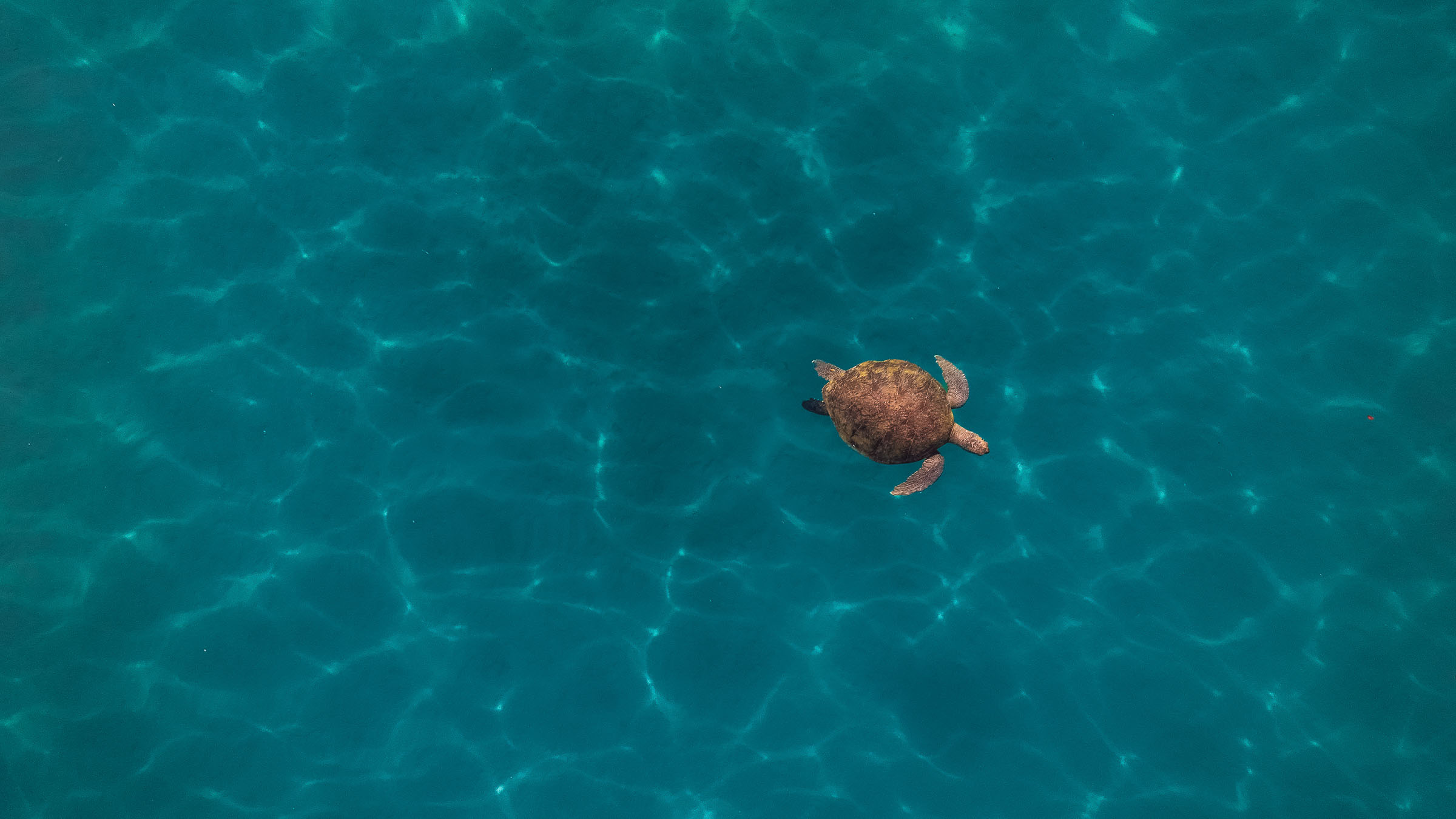
A sea turtle in the clear water off the Antalya coast.
We will keep this guide up to date as official details are confirmed. Until then, the safest rule is simple: check the official websites before you book, and check them again before you travel.
Written by
Show Me Türkiye Editorial
Field notes, routes, and city guides from across Türkiye. Last checked October 2026.
Reviewed by Halil Bekar, founder of Show Me Türkiye
We use essential and analytics cookies to keep this site running and understand how it is used. Analytics runs with IP anonymisation. With your consent, we may also use marketing cookies in the future. Read more in our Cookies Policy.
Cookie preferences
Choose which cookies you allow. Essential and analytics cookies are always on (legitimate interest, IP anonymisation). Your choice is saved on your device and you can change it anytime from the Cookies Policy page.
Essential
Required for core features such as remembering your language and that you have seen this notice. Always active.
Analytics
Google Analytics with IP anonymisation, used to understand how the site is used in aggregate. Always active under legitimate interest.
Marketing
Reserved for future use (e.g. retargeting). Off until you allow it.