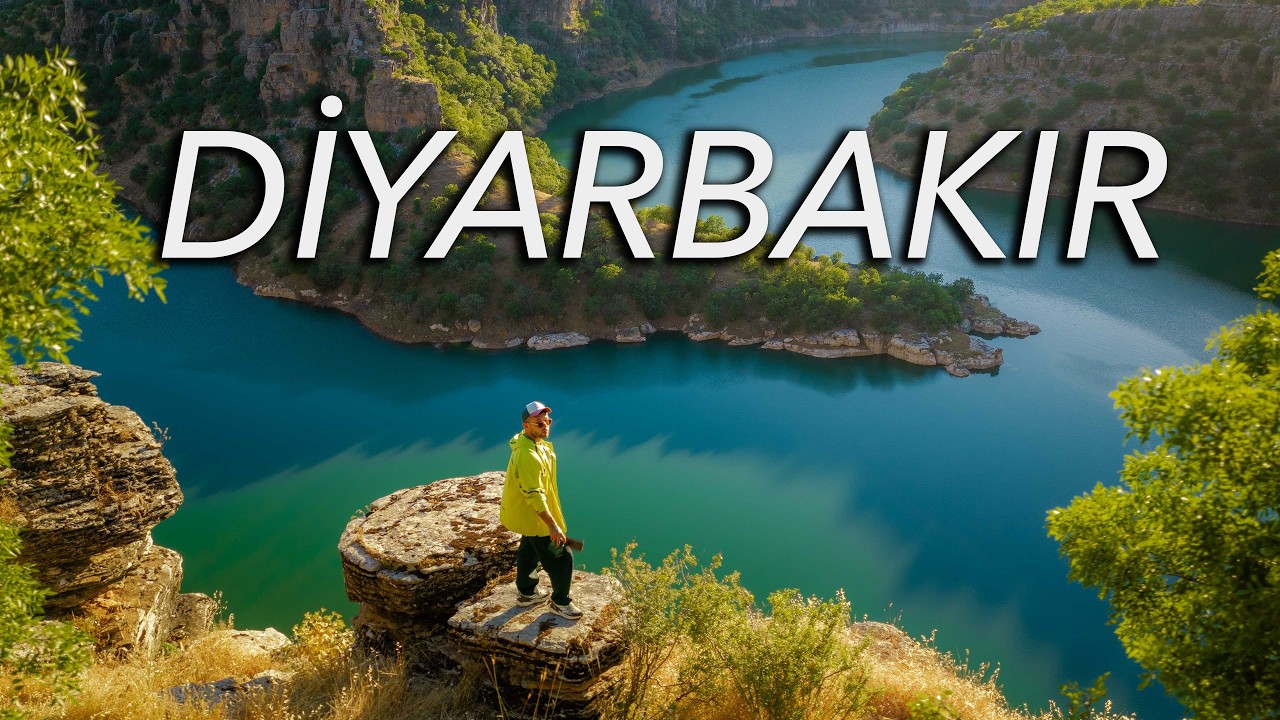
A walled city of black basalt above the Tigris, one of the oldest continuously inhabited places on earth, where a five and a half kilometre circuit of ramparts still wraps the old town of Sur.
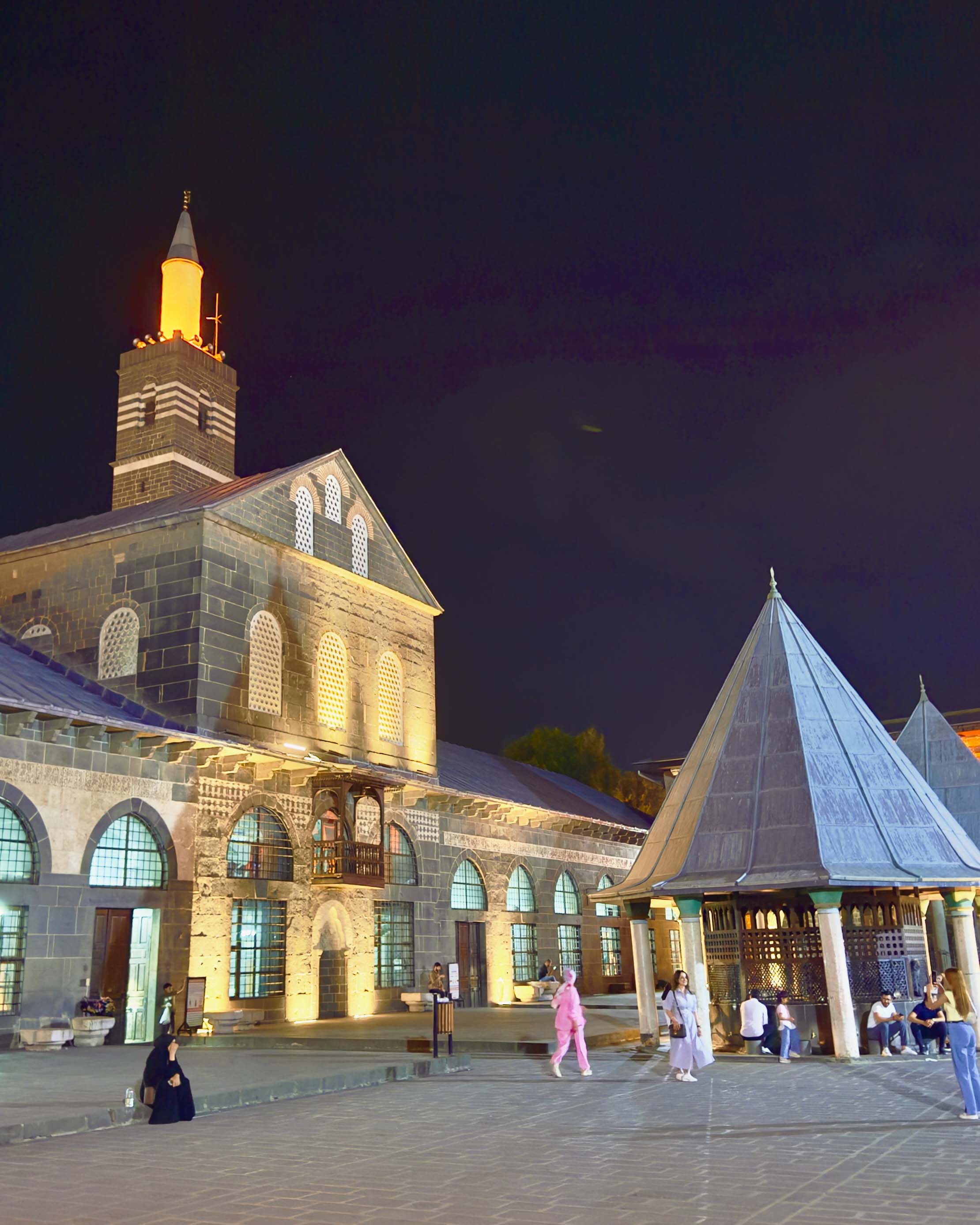
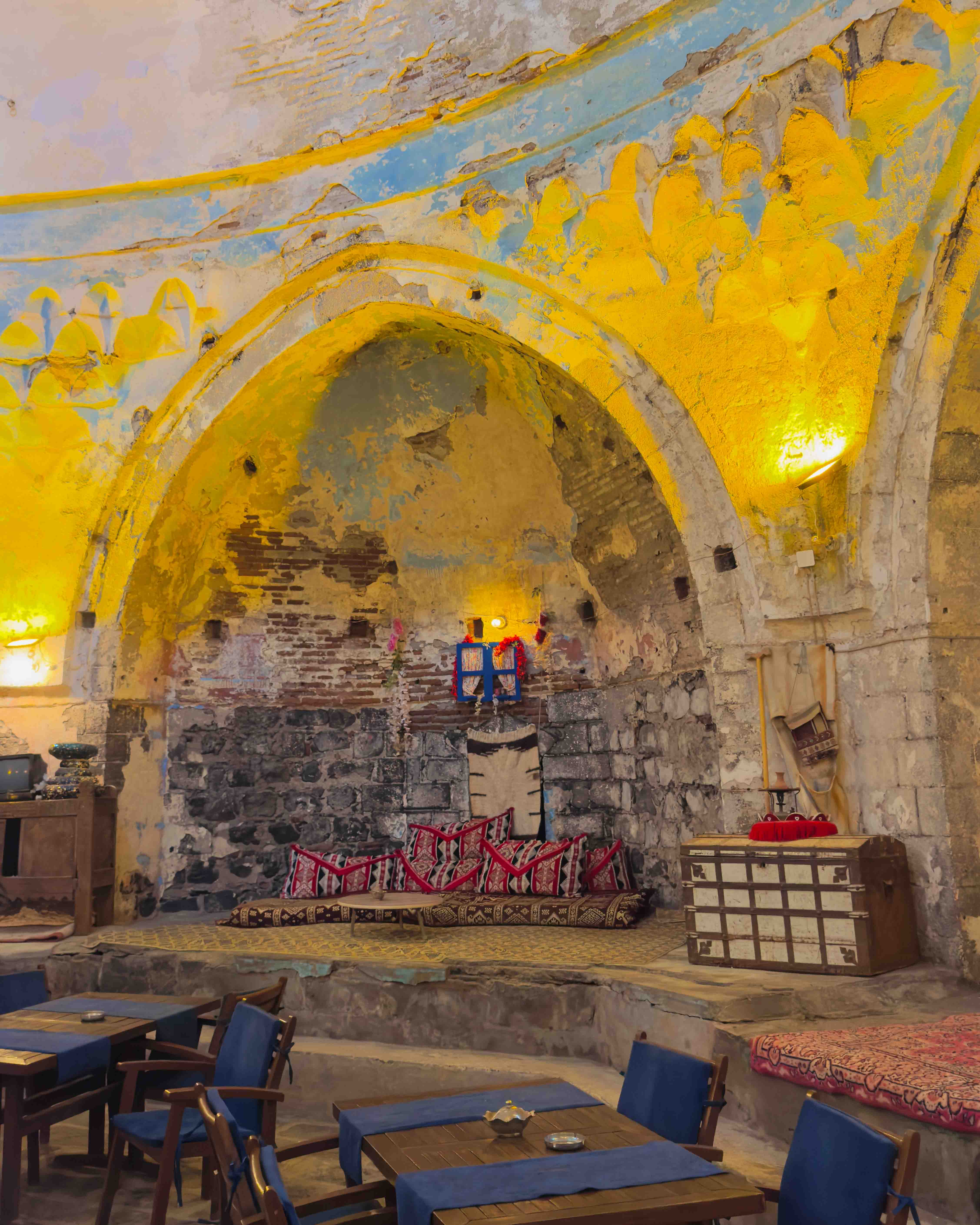
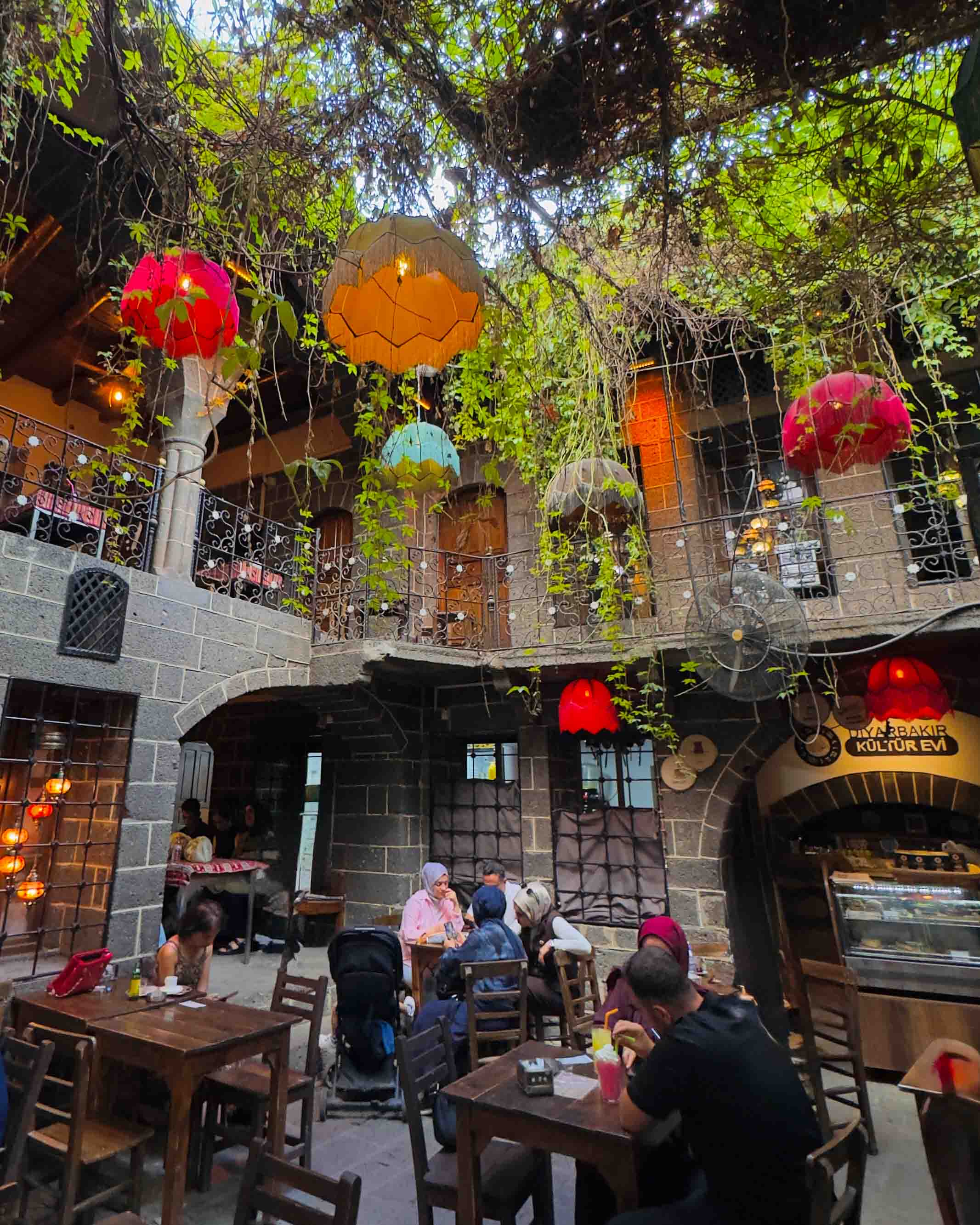
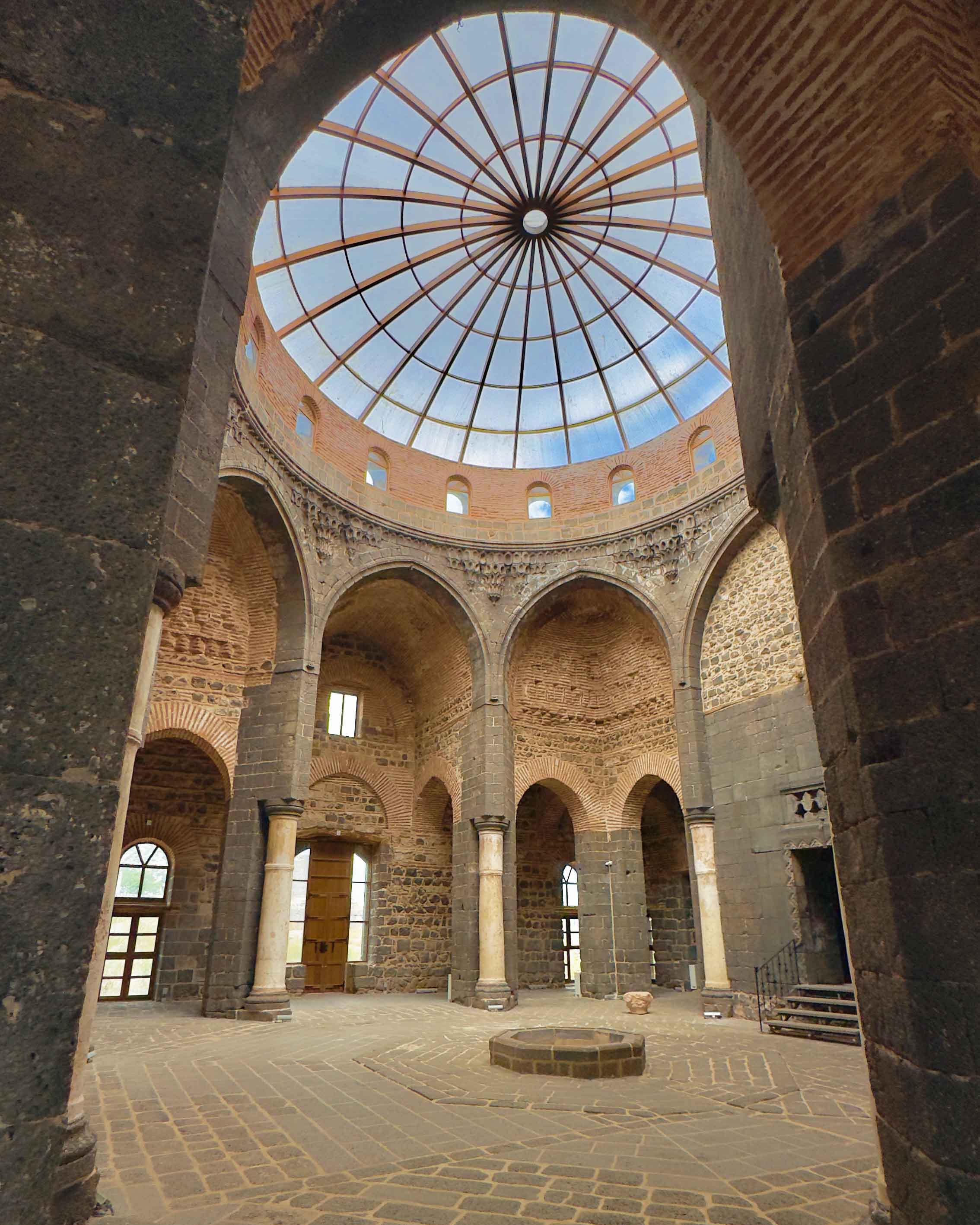
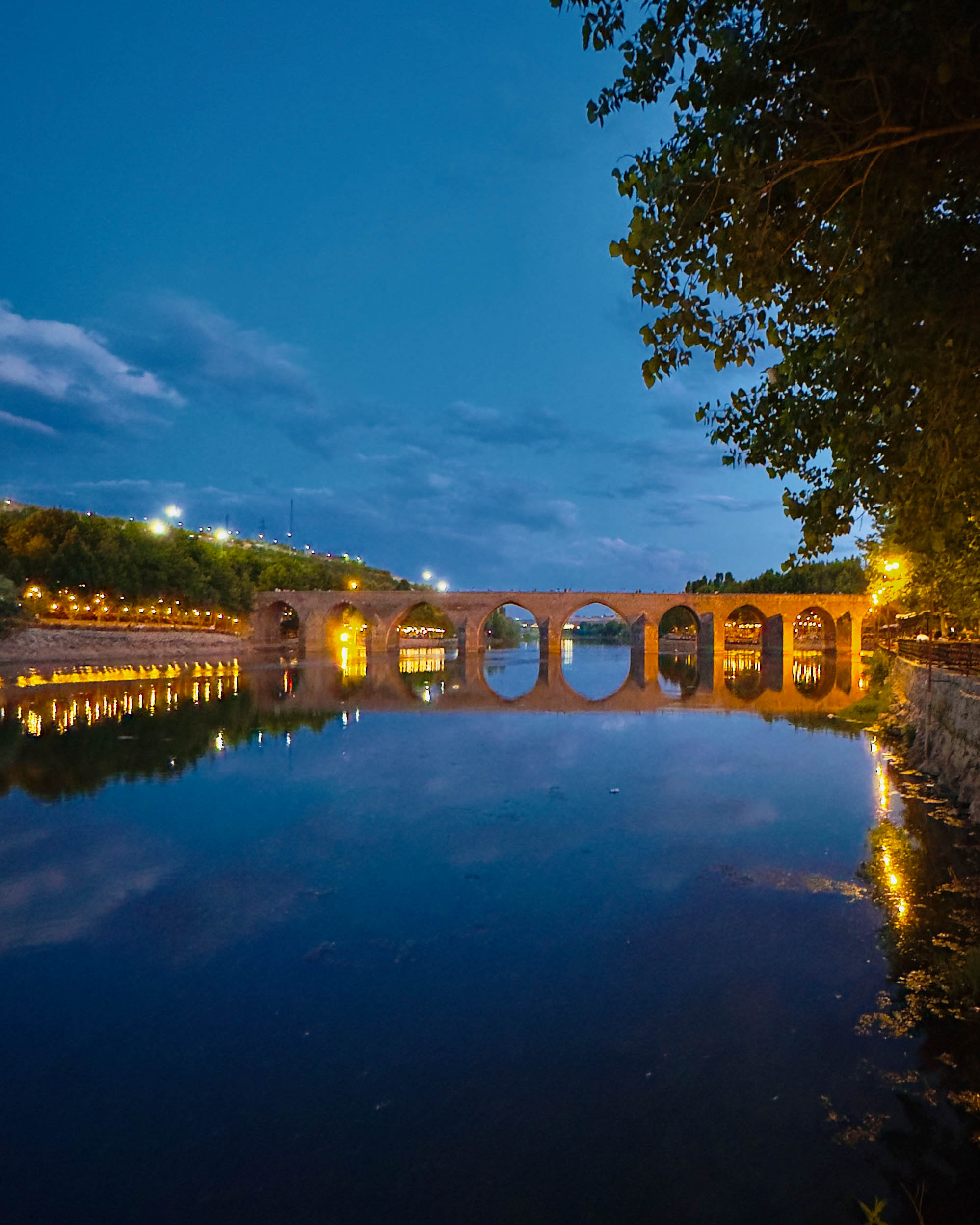
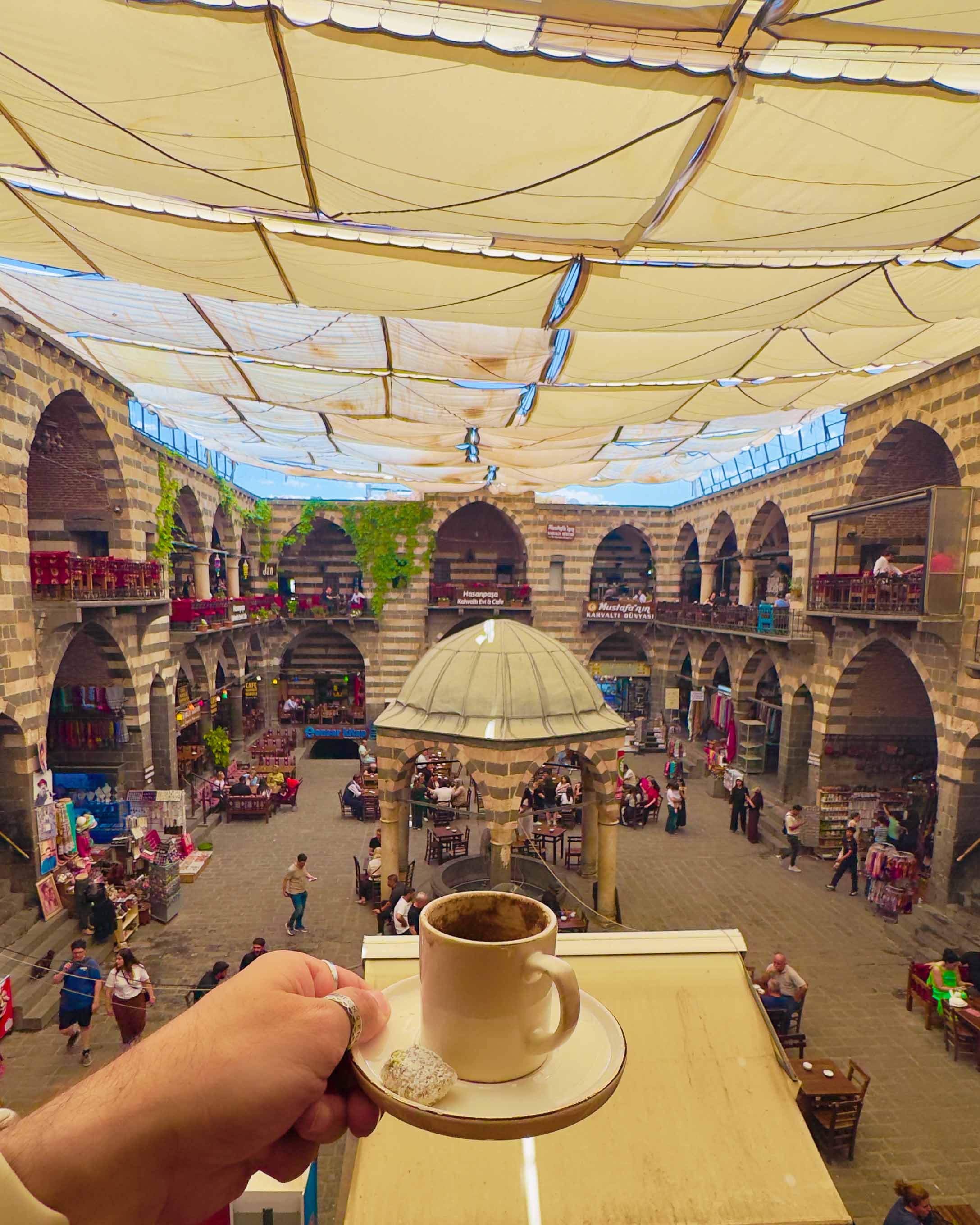
Diyarbakir has been layered by Assyrians, Romans, Byzantines, Arabs, the Artuqids and the Ottomans, and all of them left something behind. The great city walls, second in length only to the Great Wall of China, run almost unbroken around Sur. Inside them sit the Ulu Camii, the oldest mosque in Anatolia, the restored Surp Giragos Armenian church, and a maze of stone courtyard mansions and caravanserais. Down at the river, the ten-arched On Gozlu Bridge and the UNESCO-listed Hevsel Gardens have fed and connected the city for centuries.
It is a city with a strong character and a deep table. The food alone is a reason to come: kaburga dolma, spiced liver kebabs eaten for breakfast, and the famous burma kadayif. Two days is enough to walk the walls and the old town, but the wider region rewards more, with the Roman frontier fort of Zerzevan and the great Artuqid bridges within an easy drive.